When one child needs a cleaning, a parent has a sore tooth, and another family member is overdue for an exam, coordinating dental visits can quickly become another job. The practical family dentist benefits start with having a dependable place where people of different ages can receive thoughtful, consistent care without starting over with a new provider each time.
For many households in Quincy and across the South Shore, choosing a family dentist is not just about convenience. It is about building a long-term relationship with a dental team that understands your history, explains your options clearly, and is there when an unexpected problem interrupts your week.
1. Care that grows with your family
A family dentist can care for patients through many stages of life. Young children may need their first dental visits, preventive guidance, and help feeling comfortable in the dental chair. Teens may need cavity treatment or advice about sports-related tooth protection. Adults often need cleanings, fillings, crowns, or help managing gum health, while older relatives may need dentures, implants, or restorative treatment.
That continuity matters. Rather than treating each appointment as an isolated event, the dentist can follow changes over time. They can see whether a small area has remained stable, whether a child is becoming more consistent with brushing, or whether an adult’s grinding is beginning to wear down a crown. Earlier awareness often means simpler treatment.
A family practice does not replace every specialist. Complex orthodontic, surgical, or specialty needs may require a referral. But for routine preventive care and many common restorative needs, having one trusted dental home gives families a strong starting point.
2. Fewer appointments at different offices
One of the clearest family dentist benefits is easier scheduling. Instead of driving to one office for a child, another for an adult, and somewhere else for a grandparent, families may be able to coordinate care through one practice. Back-to-back appointments can reduce time away from school, work, and other responsibilities.
This is especially useful for working parents and caregivers. A dentist’s office that offers efficient scheduling, online appointment access, and some Saturday availability can make regular care more realistic. Preventive visits are much easier to maintain when they fit into real family schedules.
There are limits, of course. Not every family member will need treatment on the same day, and a longer procedure may need its own appointment. Still, one practice can simplify reminders, paperwork, insurance questions, and routine planning.
3. A complete view of dental history
Dental care works best when decisions are based on a clear picture of what came before. A family dentist keeps track of previous exams, X-rays, fillings, crowns, root canal treatment, gum concerns, and changes in oral health. That record helps the dental team make recommendations that fit the patient, rather than relying on a rushed snapshot of a single problem.
Family patterns can also be useful information. Some dental concerns have a hereditary component, including a tendency toward gum disease, tooth crowding, weak enamel, or frequent decay. Knowing that close relatives have had similar issues does not guarantee the same outcome, but it can help the dentist watch more carefully and offer preventive advice earlier.
For patients, familiarity brings another advantage: clearer conversations. Over time, you know how the office communicates, what your insurance may cover, and how treatment plans are presented. The dentist knows your priorities as well, whether you are focused on keeping visits efficient, controlling costs, reducing anxiety, or addressing a specific concern.
4. Less anxiety for children and adults
Dental anxiety is common, and it does not disappear simply because someone is an adult. A familiar office, familiar faces, and a calm routine can make appointments feel more manageable for the whole family.
Children often learn how to feel about dental care by watching the adults around them. When a parent treats a checkup as a normal part of staying healthy, a child is more likely to approach their own visit with confidence. Regular visits also allow children to become comfortable with the sights, sounds, and simple steps of an exam before they ever need more involved treatment.
For adults who have avoided care because of a past bad experience, a patient-first family practice can help rebuild trust. The right dentist should listen to concerns, explain what they see, and discuss options before moving forward. No one should feel pressured into a treatment they do not understand.
5. Better prevention, not just problem-solving
A toothache gets attention quickly. A small cavity, early gum inflammation, or cracked filling may not. That is why regular exams and cleanings are the foundation of family dental care. They give the dentist a chance to identify changes before pain, infection, or damage turns a simpler issue into a larger one.
Prevention is not one-size-fits-all. A child who is still learning to brush needs different guidance than an adult with dry mouth, a patient with gum disease, or someone who has several crowns. A family dentist can offer recommendations that match each person’s age, medical history, habits, and risk factors.
Preventive care can also protect a family budget. It cannot prevent every emergency or eliminate the need for restorative treatment, but addressing concerns early may reduce the chance of needing more extensive care later. Honest treatment planning should include what needs prompt attention, what can be monitored, and what options are available.
6. A familiar place when dental problems happen
Dental emergencies rarely arrive at a convenient time. A broken tooth, lost filling, swelling, severe tooth pain, or knocked-out tooth can create real stress, particularly when you do not know where to call.
Having an established family dentist means you already have a practice that knows your records and can help determine what should happen next. Same-day emergency availability, when offered, can be especially valuable for pain, infection, or a sudden injury. The office can guide you on whether the situation needs urgent dental treatment, a scheduled visit, or immediate medical attention.
If there is significant facial swelling, trouble breathing or swallowing, uncontrolled bleeding, or a serious injury, seek emergency medical care right away. For less severe but still urgent dental issues, calling your dentist promptly can help protect the tooth and relieve discomfort sooner.
7. Straightforward value and long-term trust
Families need dental care that is high quality and financially realistic. A good family practice understands that treatment decisions affect household budgets. It should be prepared to review insurance participation, explain expected costs, and discuss practical choices without confusing language or unnecessary pressure.
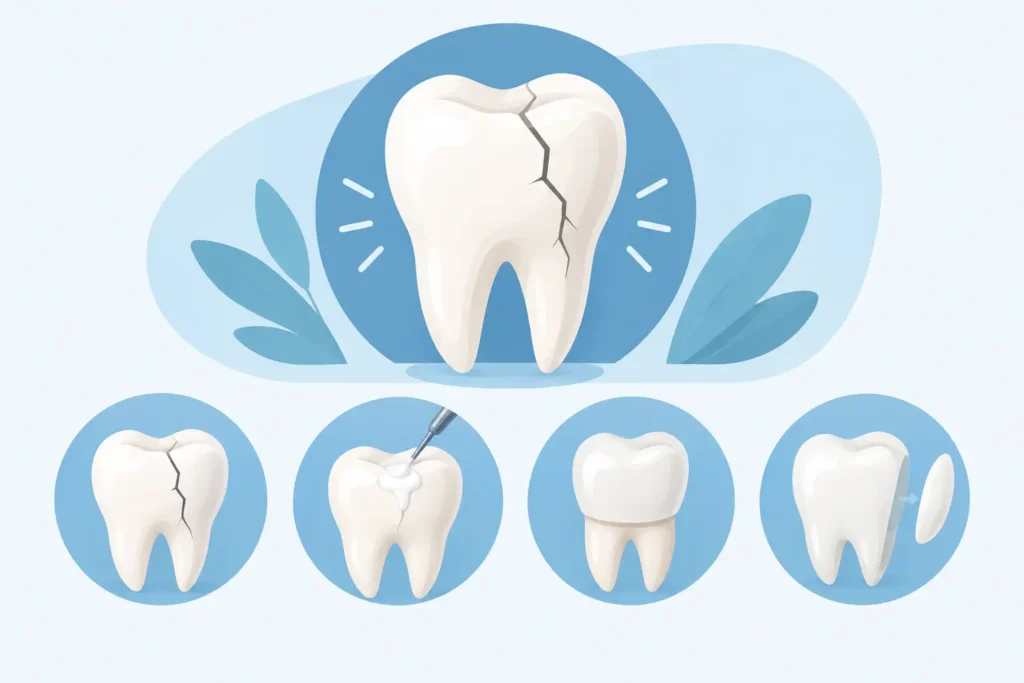
The least expensive option is not always the best long-term choice, and the most extensive option is not always necessary. For example, a tooth with a small cavity may be well served by a composite filling, while a heavily damaged tooth may need a crown for protection. The right answer depends on the condition of the tooth, the bite, the patient’s goals, and the likely durability of each option.
At Quincy High Care Dentistry, families can receive preventive, restorative, pediatric, and emergency care from a team focused on personalized treatment and practical value. The goal is not luxury for its own sake. It is reliable care that helps patients make informed decisions and keep moving forward.
How to choose the right family dentist
Before selecting a dental practice, consider whether it can support both routine care and the unexpected. Ask whether it treats children and adults, accepts your insurance plan, offers timely appointments, and provides the services your household is most likely to need. Reviews and recommendations from neighbors can be helpful, but a direct conversation with the office often tells you the most about how patients are treated.
It is also worth asking how the practice handles emergencies and treatment planning. You want clear answers, respectful communication, and a team that will tell you when care is urgent, when it can wait, and why. Experience matters, but so does the ability to make patients feel heard.
The best time to find a family dentist is before anyone is in pain. Schedule a routine visit, bring your questions, and look for a dental team that makes care feel clear, comfortable, and workable for your family’s everyday life.