A loose denture at dinner, a tooth that suddenly hurts, or gums that bleed while brushing can quickly affect more than a smile. The best dental care for seniors is practical, preventive, and responsive when something changes. It should protect comfort, nutrition, confidence, and overall health without making care feel complicated or out of reach.
Oral health needs can shift with age, but losing teeth or living with pain is not simply something seniors should accept. Regular attention can often prevent small concerns from becoming urgent problems, while thoughtful restorative care can make eating, speaking, and smiling feel more natural again.
Why dental needs often change with age
Getting older does not automatically mean having poor teeth. Many adults keep their natural teeth for life. Still, age-related health changes, medications, reduced hand strength, and years of wear can make dental problems more likely or more difficult to manage at home.
Dry mouth is one of the most common concerns. Many medications used for blood pressure, allergies, depression, pain, and other conditions can reduce saliva flow. Saliva helps wash away food particles and neutralize acids, so a dry mouth can raise the risk of cavities, gum irritation, mouth sores, and trouble wearing dentures.
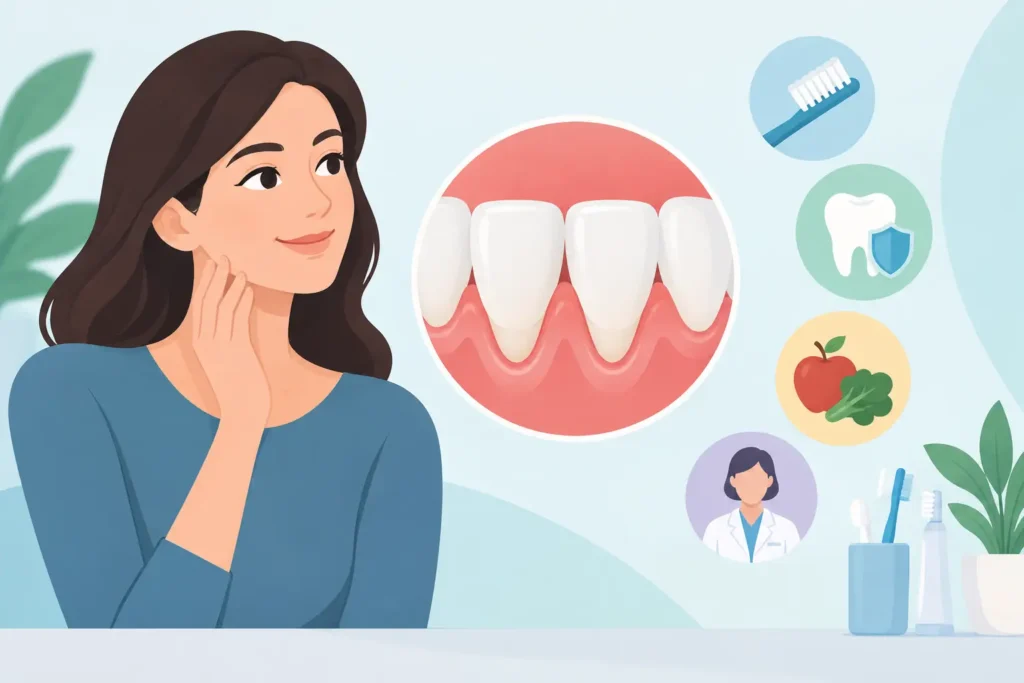
Gum disease also deserves close attention. It can progress quietly, sometimes without severe pain, and may lead to bleeding gums, bad breath, tenderness, loose teeth, or changes in how teeth fit together. For patients managing diabetes, heart conditions, or other chronic health concerns, clear communication between the dental office and medical providers can be especially helpful.
Mobility, vision, arthritis, memory changes, and transportation limitations can affect routine care as well. A patient-friendly dental practice recognizes these real-life barriers and helps make appointments, instructions, and treatment decisions easier to manage.
What the best dental care for seniors should include
The right approach is not one treatment plan for every patient. It begins with a thorough exam, a conversation about health history and priorities, and straightforward recommendations based on what will genuinely help.
Consistent preventive visits
Routine exams and cleanings remain the foundation of senior dental care. These visits allow a dentist to look for cavities, gum disease, worn restorations, oral cancer warning signs, bite changes, and problems under existing crowns, bridges, or dentures.
How often someone should come in depends on their needs. A patient with healthy gums and low cavity risk may need a different schedule than someone with dry mouth, diabetes, dental implants, active gum disease, or a history of frequent decay. The goal is not to schedule unnecessary visits. It is to catch concerns early, when treatment is usually simpler and more affordable.
At home, brushing twice daily with fluoride toothpaste and cleaning between teeth once a day are still key. For patients with arthritis or limited grip strength, an electric toothbrush or a toothbrush with a wider handle may make daily care more comfortable and effective.
Attention to dry mouth and medication effects
A dry mouth should not be dismissed as a minor inconvenience. Tell the dentist about all prescription medications, over-the-counter products, supplements, and recent changes in health. That information helps the dental team identify risks and suggest appropriate ways to protect teeth and tissues.
Sipping water throughout the day, avoiding tobacco, and limiting sugary candies or beverages can help. Sugar-free gum or lozenges may encourage saliva for some people, although they are not suitable for everyone. A dentist may also recommend fluoride treatment, special toothpaste, or other products based on cavity risk.
Do not stop or change a prescribed medication without speaking with the medical provider who manages it. The practical solution is usually to adjust oral care and prevention around the medication, not to make health decisions alone.
Restorative care that supports everyday life
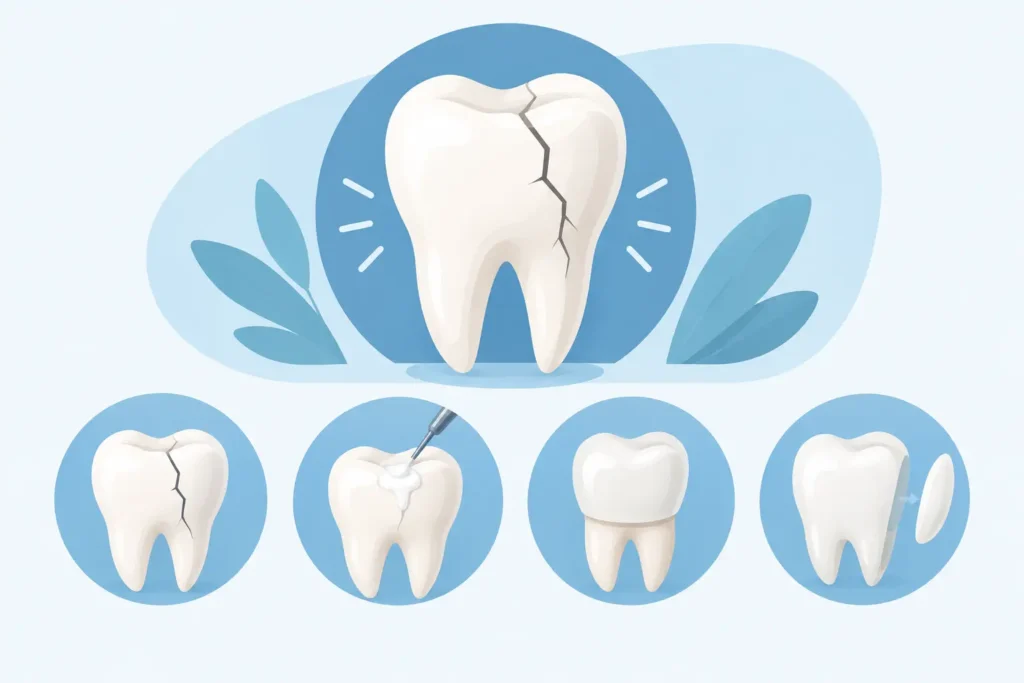
A cracked tooth, failing filling, worn crown, or missing tooth can affect the way a person eats and speaks. Restorative options may include composite fillings, crowns, root canal treatment, bridges, dentures, or implants. The best option depends on the patient’s oral health, bone support, medical history, budget, and personal goals.
For example, a crown can protect a tooth that is weakened but still healthy enough to keep. Root canal treatment can relieve infection and preserve a natural tooth when the inside of the tooth is damaged. These treatments may be preferable to extraction when the tooth has a good long-term outlook.
When teeth are missing, dentures can be an effective and economical solution. Modern dentures can restore appearance and function, but they do require adjustments and daily care. If a denture begins to slip, rub, crack, or feel uncomfortable, it should be checked rather than repaired at home.
Dental implants can provide stable support for a replacement tooth, bridge, or implant-supported denture. They can be an excellent choice for some seniors, but they are not automatically the right answer for everyone. Successful implant treatment depends on healthy gums, adequate bone, the ability to maintain home care, and a treatment plan that fits the patient’s health and finances.
Respectful, clear treatment planning
Good senior dental care includes honest conversations about priorities. Some patients want to preserve every possible natural tooth. Others may be focused on comfort, function, and reducing the number of appointments. Both perspectives are valid.
A trustworthy dentist should explain what is urgent, what can be monitored, what each option is likely to accomplish, and what the expected costs are. Patients and family members should feel comfortable asking questions, requesting a written treatment plan, and taking time to consider non-emergency decisions.
Signs a senior should call the dentist promptly
Waiting can turn a manageable concern into a painful emergency. Contact a dental office promptly for a severe toothache, facial swelling, a broken tooth, bleeding that does not stop, a lost crown, a loose implant restoration, or a denture that suddenly no longer fits.
Seek urgent medical care for trouble breathing or swallowing, rapidly spreading facial swelling, or swelling accompanied by fever or confusion. These symptoms can signal a serious infection that needs immediate attention.
Dental pain is not always dramatic. A tooth that becomes sensitive to heat, pain when biting, persistent bad taste, or a sore that does not heal should also be evaluated. Seniors who have reduced sensation or memory concerns may not report pain clearly, so caregivers should watch for avoiding food, changes in mood, rubbing the face, or reluctance to brush.
Making dental visits easier for seniors and caregivers
Preparation can make an appointment more productive and less stressful. Bring an updated medication list, insurance information, and any relevant details from medical providers. If a family member or caregiver helps with decisions or transportation, having them involved can prevent misunderstandings and make follow-up care easier.
It also helps to tell the office about mobility needs, hearing difficulties, anxiety, or challenges with communication before the visit. Small accommodations, such as scheduling at a more comfortable time of day or allowing extra time for questions, can make a meaningful difference.
For seniors living in Quincy and the South Shore, choosing a local practice that provides preventive, restorative, denture, implant, and emergency services can reduce the burden of coordinating care among multiple offices. Quincy High Care Dentistry focuses on clear recommendations, accessible appointments, and personalized treatment that respects each patient’s needs and budget.
Affordability without cutting corners
Cost is a real concern for many older adults, especially when a dental issue requires more than a cleaning or filling. Insurance may cover preventive services differently than crowns, dentures, implants, or other restorative treatment. Coverage can vary widely, even among plans with similar names.
Before treatment begins, ask what insurance is expected to cover, what out-of-pocket costs may be involved, and whether care can be phased when clinically appropriate. Phasing treatment can sometimes make costs more manageable, but it is not suitable for infections, severe pain, or problems that could worsen quickly.
The least expensive option at the first visit is not always the best value over time. At the same time, the most extensive treatment is not always necessary. The right plan is one that addresses health and function, fits the patient’s situation, and is explained without pressure.
A comfortable smile supports everyday independence. Whether the next step is a routine cleaning, a denture adjustment, or treatment for a painful tooth, timely care gives seniors more choices and more confidence in the meals, conversations, and moments that matter.