A filling is meant to solve a problem: seal a cavity, stop decay from spreading, and help you keep your natural tooth. Still, it is reasonable to ask, are fillings safe? The short answer is yes. Dental fillings are widely used, carefully studied restorative treatments. The right material and approach, however, depend on your health history, the tooth being treated, and how much tooth structure remains.
For most patients, the greater risk is delaying treatment for a cavity. Untreated decay can grow deeper, causing pain, infection, a cracked tooth, or the need for a root canal or extraction. A straightforward filling is often the most conservative way to protect your smile.
Are Dental Fillings Safe for Most Patients?
Yes. Modern fillings are considered safe for the vast majority of patients when they are placed and maintained appropriately. Dentists select materials that have a long track record in the mouth and use clinical techniques designed to protect the tooth, gums, and surrounding tissues.
The two materials patients ask about most often are tooth-colored composite resin and dental amalgam. Both have been extensively evaluated, but they are not identical. A dentist should explain which material is recommended for your tooth and why, then give you an opportunity to ask questions before treatment begins.
Safety also includes more than the material itself. A well-diagnosed cavity, proper removal of decayed tooth structure, a secure seal, and a bite that feels comfortable all matter. When a filling leaks, cracks, or sits too high, it may cause sensitivity or discomfort. Those are treatment concerns that can usually be corrected, not evidence that fillings are inherently unsafe.
Composite Fillings: The Tooth-Colored Option
Composite resin fillings are a common choice for front and back teeth. They are shaded to blend with natural enamel and can often preserve more healthy tooth structure than older filling approaches. For patients who want a natural-looking repair, composite is usually the preferred option.
Composite materials contain resins and fine filler particles. Some patients have heard concerns about bisphenol A, often called BPA, because certain dental resins may contain related compounds. Research and professional dental organizations support the safety of composite restorations when they are placed correctly. Any exposure from a cured filling is considered very low, and dentists reduce residual material through proper curing, finishing, and polishing.
Like any dental material, composite has trade-offs. It can stain over time, especially with frequent coffee, tea, red wine, or tobacco use. Large composite fillings in heavy chewing areas may wear or chip sooner than some alternatives. That does not make composite unsafe. It simply means the best long-term restoration may sometimes be an onlay or crown rather than a very large filling.
What About Mercury in Amalgam Fillings?
Dental amalgam is a silver-colored filling material that has been used for more than a century. It contains elemental mercury combined with other metals, including silver, tin, and copper. This is the reason it receives so much attention.
Amalgam fillings release small amounts of mercury vapor, particularly during chewing. For most people, evidence has not shown that existing amalgam fillings cause health problems. However, the U.S. Food and Drug Administration advises that certain higher-risk groups avoid receiving new amalgam fillings when suitable alternatives are available. These groups include pregnant women and women planning pregnancy, nursing mothers, children under age six, people with neurological conditions, people with impaired kidney function, and people with a known allergy to mercury or other amalgam components.
In many practices, composite is now used more often because it matches the tooth color and meets patient preferences. If you already have amalgam fillings that are intact and comfortable, removing them solely because they contain mercury is usually not necessary. Removal can temporarily increase exposure to mercury vapor and may also sacrifice healthy tooth structure. Replacement makes more sense when a filling is cracked, leaking, worn out, decay has developed around it, or a dentist identifies another clear clinical reason.
Allergies and Sensitivity: Rare but Worth Discussing
True allergic reactions to dental filling materials are uncommon. A person may be sensitive to a component in composite resin, metal, or another dental product, but this is not the same as the short-term tooth sensitivity some people feel after a filling.
Mild sensitivity to cold, sweets, pressure, or temperature changes can occur for a few days after treatment. The tooth has been cleaned and restored, and the nerve may need time to settle. A deeper cavity is more likely to cause longer-lasting sensitivity because it is closer to the tooth’s nerve.
Call your dentist if pain is severe, keeps getting worse, wakes you at night, lasts longer than expected, or occurs when you bite down. A filling may need a small adjustment, or the tooth may have deeper inflammation that requires additional care. Prompt follow-up is the practical way to prevent a minor concern from becoming an emergency.
When a Filling May Not Be the Best Choice
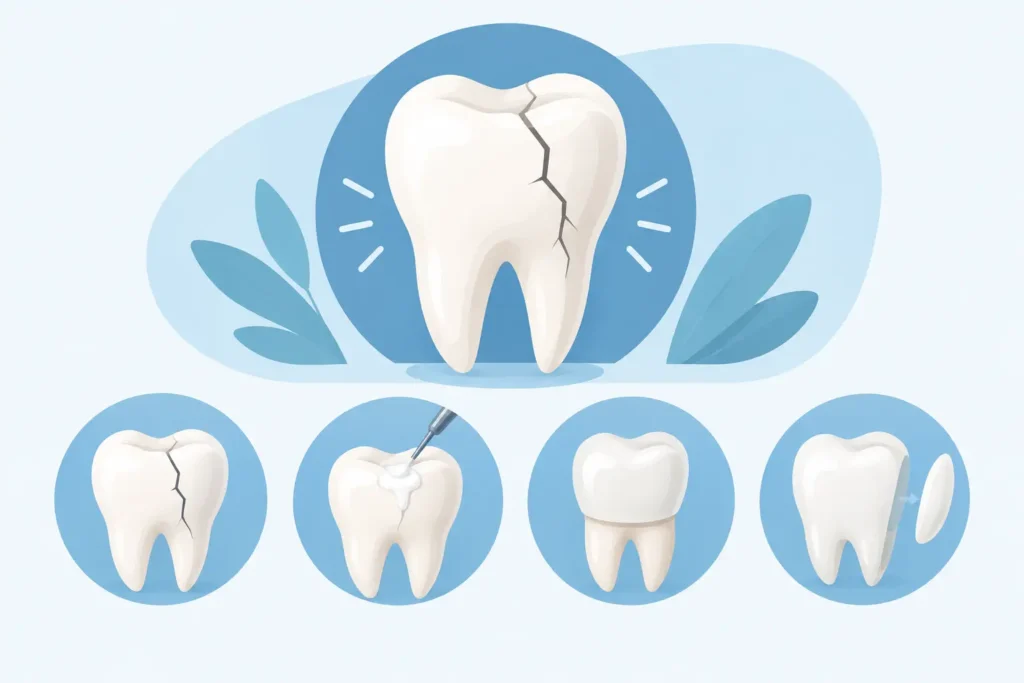
Not every damaged tooth should receive a filling. If decay or a fracture is small to moderate, a filling can be an excellent, conservative repair. If too much of the tooth is missing, a filling may not have enough strong enamel and dentin to hold onto over time.
In those cases, a crown or onlay may better protect the tooth from breaking. If decay reaches the pulp, the nerve tissue inside the tooth, root canal treatment may be needed before the tooth is restored. This can sound like more treatment, but choosing the restoration that matches the condition of the tooth can help avoid repeated repairs and unexpected pain later.
For children, fillings are also commonly safe and effective. The material choice may depend on the child’s age, ability to sit comfortably, the location of the cavity, and the condition of the tooth. Parents should feel comfortable asking why a particular material is recommended and how the restoration will be monitored as their child grows.
How to Make Your Filling Treatment Safer and Easier
Start by sharing your full health history. Tell your dentist if you are pregnant, breastfeeding, have kidney disease, have a neurological condition, take regular medications, or have had a reaction to dental materials in the past. This information helps guide a recommendation tailored to you.
Before treatment, ask what material will be used, why it fits that tooth, and what alternatives are reasonable. There is no need for complicated dental terminology. You deserve a clear answer about the expected lifespan, appearance, cost, and possible need for future repair.
Afterward, protect the filling with consistent brushing using fluoride toothpaste, daily cleaning between teeth, and regular checkups. Fillings do not last forever, but good home care can greatly reduce the chance of new decay around their edges. Avoid chewing ice, hard candy, or nonfood items, especially if you have larger restorations or tend to clench your teeth.
At Quincy High Care Dentistry, treatment recommendations are based on what will protect your tooth and fit your needs, not on a one-size-fits-all answer. Whether you need a small tooth-colored filling or a more substantial restoration, a careful exam can identify the most practical next step.
If a tooth is sensitive, chipped, or catching food, do not wait for it to become painful. A timely appointment gives you more options and may make it possible to treat the problem with the simplest repair.