Seeing more of a tooth near the gumline can be unsettling, especially if cold water, brushing, or certain foods suddenly cause sensitivity. A guide to treating receding gums should start with one clear point: gum tissue generally does not grow back on its own, but the right dental care can stop recession from progressing, protect exposed roots, and improve comfort.
Receding gums are common, but they are not something to ignore. They can be a sign of gum disease, overly aggressive brushing, clenching and grinding, or a combination of factors. The sooner a dentist identifies the cause, the more options you usually have to preserve your smile without unnecessary treatment.
What Receding Gums Mean
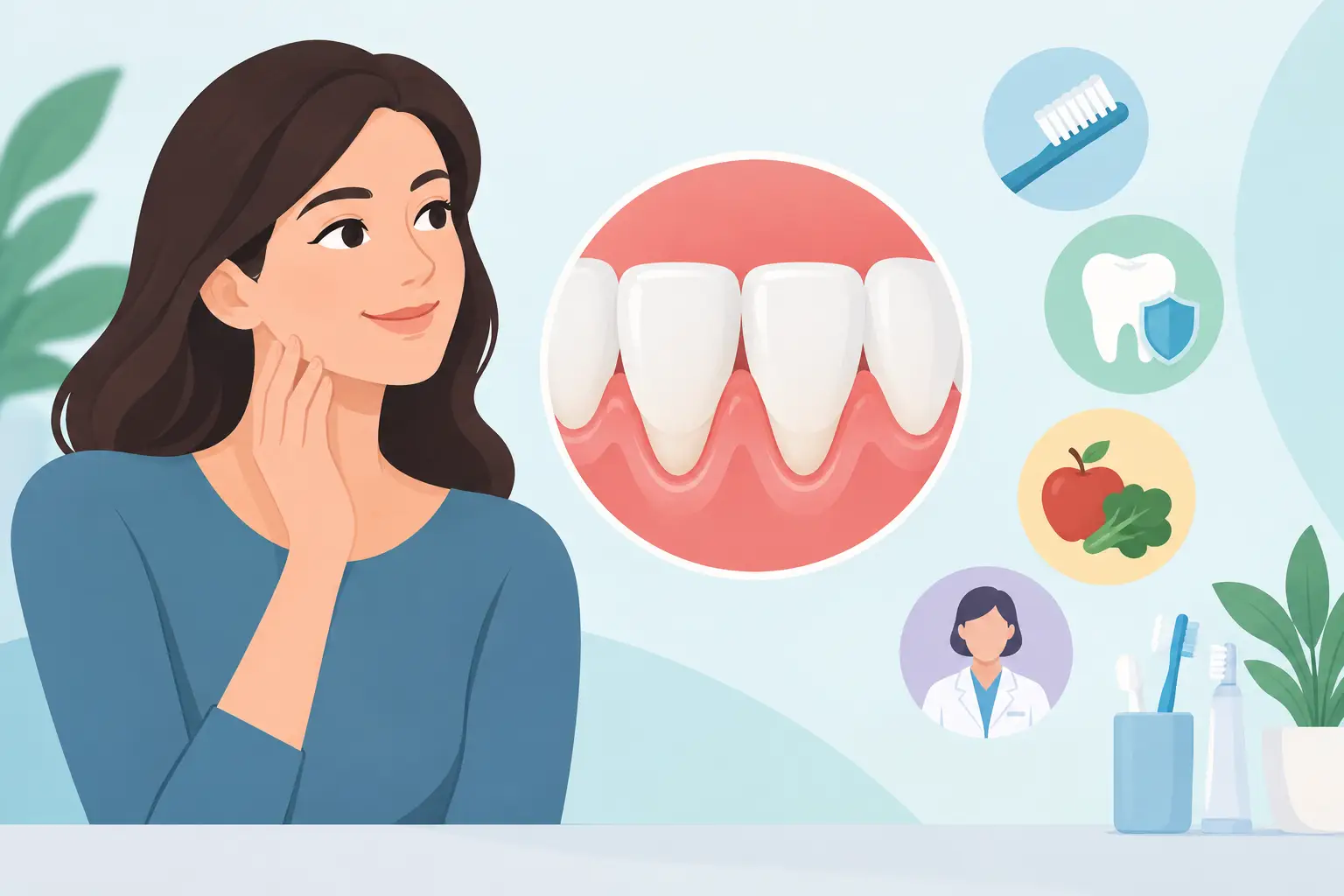
Gum recession occurs when the gum tissue pulls away from the tooth, exposing more of the tooth root. Since roots are not protected by hard enamel, they can be more vulnerable to sensitivity, decay, and wear. Teeth may also begin to look longer, or you may notice a small notch at the gumline.
Recession can affect one tooth or several. It does not always hurt, which is why routine exams matter. A dentist can measure the gums, check for inflammation, and compare changes over time before a small problem becomes a more complicated one.
Common Causes of Gum Recession
The most appropriate treatment depends on why the gums are receding. For many adults, periodontal disease is a major concern. Plaque that is not fully removed can harden into tartar, leading to inflammation and infection around the teeth. Over time, this can damage the supporting gums and bone.
Not every case is caused by gum disease. Brushing with a hard-bristled toothbrush or using too much pressure can wear away gum tissue, particularly around the canine teeth and premolars. Brushing more forcefully does not clean better. It can create a cycle of irritation and recession.
Other contributing factors include clenching or grinding, misaligned teeth, tobacco use, hormonal changes, a naturally thin gum type, and a family history of periodontal problems. Lip or tongue piercings can also repeatedly rub against gums. Some people have recession around a tooth that sits outside the natural curve of the dental arch, even when their home care is excellent.
A Guide to Treating Receding Gums Starts With an Exam
There is no one-size-fits-all fix for gum recession. A dental exam helps determine whether the recession is stable, whether there is active gum disease, and how much root exposure is present. Your dentist may measure the spaces between the gums and teeth, assess the bone supporting each tooth, check your bite, and take X-rays when needed.
If periodontal disease is present, treating the infection comes first. A professional deep cleaning, often called scaling and root planing, removes plaque and tartar below the gumline. In some cases, follow-up periodontal maintenance appointments, medication, or referral to a gum specialist may be recommended. The goal is to reduce inflammation and keep further attachment and bone loss from occurring.
If the recession is mild and stable, treatment may focus on preventing progression and reducing sensitivity. That can be the right choice when the exposed root is healthy and there is no active infection. Monitoring is still valuable because recession can change gradually.
Treatment Options for Exposed Roots
A dentist may recommend one or more approaches depending on the condition of your gums, teeth, bite, and overall oral health.
For sensitivity, fluoride varnish, prescription-strength fluoride, or desensitizing products may help strengthen exposed root surfaces and lessen discomfort. These options are useful when the primary concern is sensitivity rather than significant cosmetic change.
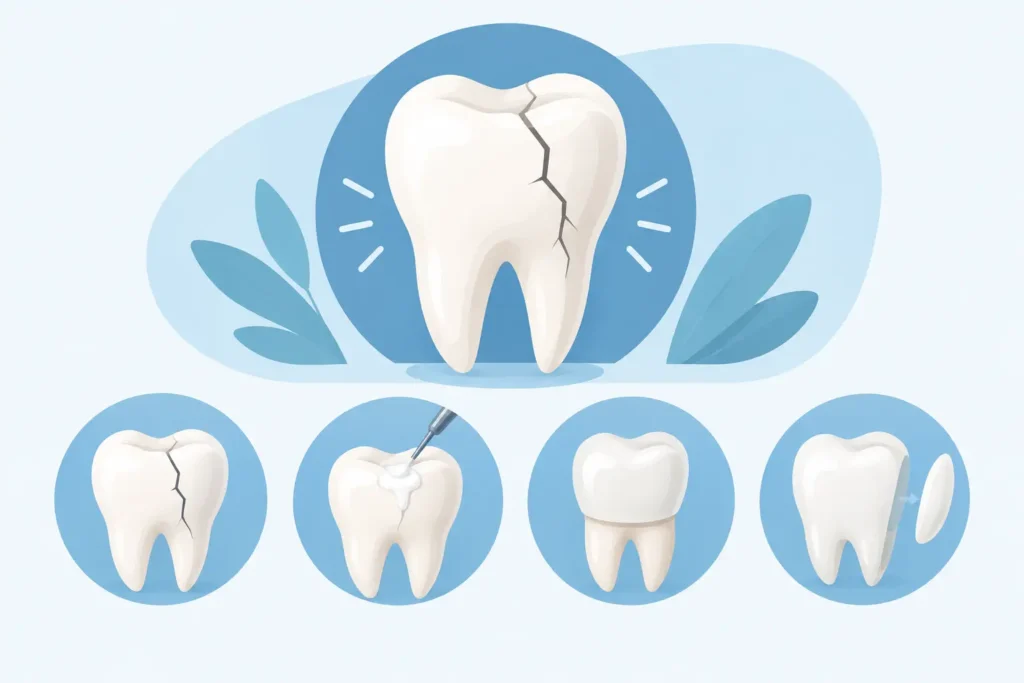
If recession has created a worn notch or cavity near the gumline, a tooth-colored composite filling may protect the area. This can improve comfort and make the tooth easier to keep clean. A filling cannot replace lost gum tissue, but it can shield vulnerable root structure.
When grinding or clenching is contributing to the problem, a custom night guard may help reduce excessive force on the teeth and gums. Bite adjustments are considered carefully and only when there is a clear reason to make them. Not every patient with recession needs a night guard or bite treatment.
For more advanced recession, especially when root coverage is needed for comfort, appearance, or protection, gum grafting may be an option. During this procedure, a periodontist or qualified dentist uses donor tissue or tissue from another area of the mouth to reinforce the gumline. Grafting can improve coverage in suitable cases, though results depend on the tooth position, gum thickness, bone support, and daily oral hygiene.
Daily Habits That Help Protect Your Gums
Professional treatment works best when it is supported by gentle, consistent care at home. Use a soft-bristled toothbrush and hold it at a slight angle toward the gumline. Small, gentle motions are more effective than hard scrubbing. An electric toothbrush with a pressure sensor can be helpful for people who tend to brush too aggressively.
Clean between your teeth every day with floss, interdental brushes, or another dentist-recommended option. The best choice depends on the spacing between your teeth and whether you have restorations, braces, or implants. If your gums bleed when you clean between them, do not simply stop. Bleeding can be a sign of inflammation that needs better cleaning technique or professional attention.
Choose toothpaste based on your needs. A sensitivity toothpaste may make exposed roots more comfortable, while a fluoride toothpaste helps defend against decay. If you use whitening products and notice increased sensitivity, take a break and ask your dentist which options are appropriate for you.
Tobacco use can make gum disease harder to control and slow healing after treatment. Reducing or stopping tobacco use is one of the most meaningful steps you can take for your gums and overall health.
When to Schedule a Dental Visit Soon
Do not wait for a regular cleaning if you notice rapid changes or signs of infection. Schedule an evaluation promptly if your gums are swollen, bleed easily, pull back noticeably, or if teeth feel loose. Persistent bad breath, pus near the gums, pain when biting, and new gaps between teeth also deserve attention.
Sensitivity that lingers after hot, cold, or sweet foods should be checked as well. Recession may be part of the problem, but sensitivity can also come from decay, a cracked tooth, or an old filling that needs repair. A proper diagnosis prevents treating the symptom while missing the cause.
For patients in Quincy and throughout the South Shore, Quincy High Care Dentistry can evaluate gum recession alongside the rest of your oral health needs. Addressing the issue early can often mean simpler, more affordable care than waiting until root damage or advanced periodontal disease develops.
Can Receding Gums Be Reversed Naturally?
Gum tissue that has receded usually will not regenerate through brushing, supplements, or home remedies. Good home care can reduce inflammation and help prevent additional recession, but it cannot reliably restore lost gum tissue. Be cautious with claims that a product can regrow gums quickly or replace professional treatment.
That does not mean every case requires surgery. Many patients benefit from gentler brushing, improved cleaning between teeth, sensitivity treatment, and regular monitoring. The right path depends on whether the recession is active, how much root is exposed, and what is causing it.
A calm, timely dental visit is the best next step if you are concerned about a changing gumline. Getting clear answers early gives you more control over your comfort, your treatment choices, and the health of your teeth for years ahead.