A cracked tooth during lunch, a child with a toothache after school, or swelling that worsens overnight can make one question urgent: can I get emergency dental treatment today? In many cases, yes. A dental office that provides same-day emergency care can assess the problem, relieve pain, and take the right steps to protect your oral health before a smaller concern becomes more complicated.
The key is knowing what needs prompt dental attention, what can wait for a regular appointment, and what to do while you are arranging care. You do not need to diagnose the problem yourself. If you are in significant pain, have swelling, are bleeding, or have damaged or lost a tooth, call a dentist as soon as possible and explain exactly what happened.
When Can I Get Emergency Dental Treatment?
Emergency dental treatment is available when a problem needs prompt evaluation to control pain, stop infection, address injury, or save a tooth. Many neighborhood dental practices reserve time for urgent, same-day visits because dental emergencies rarely happen on a convenient schedule.
Call early in the day when possible. Let the office know whether you have pain, facial swelling, a broken tooth, a lost filling or crown, trauma to the mouth, or difficulty eating or sleeping. This helps the team determine how quickly you should be seen and what to do before you arrive.
Not every dental concern requires treatment within hours. A small chip with no pain, mild sensitivity that comes and goes, or a loose retainer may be appropriate for a scheduled visit. But waiting is not a good strategy when pain is severe, swelling is present, or a tooth has been knocked out or fractured. Those issues can worsen quickly.
Dental Problems That Usually Need Prompt Care
A severe toothache is one of the most common reasons to seek an emergency appointment. Pain may come from a deep cavity, a cracked tooth, an exposed nerve, gum infection, or an abscess. Pain medicine may temporarily take the edge off, but it does not fix the cause. A dentist can identify whether you need a filling, crown, root canal treatment, drainage, or another solution.
Swelling in the gums, jaw, cheek, or face also deserves prompt attention. It can be a sign of infection, particularly when it is paired with throbbing pain, a bad taste in the mouth, fever, or tenderness around a tooth. Dental infections should not be ignored. The right treatment focuses on the source of the infection, not just temporary symptom relief.
A knocked-out permanent tooth is especially time-sensitive. Handle it by the crown, which is the chewing surface, not the root. If it is dirty, gently rinse it with milk or clean water without scrubbing. If possible, place it back in the socket and have the person gently bite on gauze. If that is not possible, keep it moist in milk or saliva and get to a dentist immediately. Fast action gives the tooth the best chance of being saved.
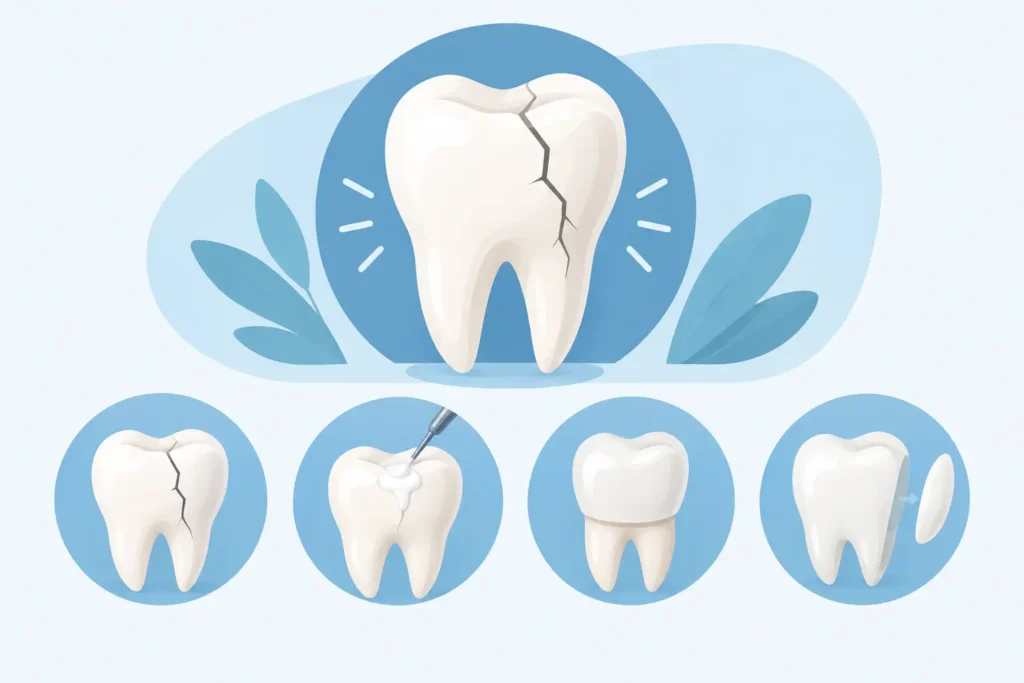
Broken, cracked, or severely chipped teeth also need an assessment, even if the pain is manageable. A crack can expose the inner tooth or continue below the gumline. Save any broken pieces, rinse your mouth with warm water, and avoid chewing on that side until you are seen.
A lost crown, filling, bridge, or denture can feel alarming and may make eating difficult. It is often less urgent than swelling or a knocked-out tooth, but it should still be addressed promptly, particularly if sharp edges are irritating your tongue or cheek. Keep the restoration if you can find it. Do not use household glue to put it back in place.
What to Do Before Your Emergency Appointment
A few simple steps can make you more comfortable and help prevent further damage. Rinse gently with warm salt water if your mouth is sore or you have a minor soft-tissue injury. A cold compress on the outside of the cheek may reduce swelling and discomfort after an injury.
For pain, take an over-the-counter medication only as directed on the label and only if it is safe for you based on your health history and other medications. Do not place aspirin directly on the gums or tooth. It can burn oral tissue and will not treat the cause of the pain.
Avoid very hot, cold, sweet, or hard foods if a tooth is sensitive or cracked. Choose soft foods and chew on the opposite side of your mouth. If a sharp tooth edge is rubbing your cheek, temporary dental wax from a pharmacy may help until your visit. These measures are short-term support, not a replacement for professional care.
If you have a dental insurance card, bring it along with a list of medications and any relevant medical information. Most offices can explain insurance options and expected costs after examining the problem. Honest answers about treatment and pricing are especially valuable when an emergency catches you off guard.
When a Dental Emergency Is Also a Medical Emergency
Some symptoms require emergency medical care rather than waiting for a dental appointment. Call 911 or go to the nearest emergency room if you have trouble breathing or swallowing, uncontrolled bleeding, severe facial trauma, confusion, or swelling that is rapidly spreading toward the eye, jaw, or neck.
An emergency room can stabilize serious medical symptoms, manage severe pain, and address life-threatening infection concerns. However, it may not be able to repair a broken tooth, perform a root canal, replace a crown, or provide the definitive dental treatment you need. Follow up with a dentist as soon as you are medically stable.
What Happens at an Emergency Dental Visit?
An emergency visit begins with listening. Your dentist will ask when the problem started, what makes it worse, whether there was an injury, and whether you have noticed swelling, fever, or sensitivity. An exam and X-rays may be needed to see what is happening below the surface.
The immediate goal is to get you comfortable and protect your tooth or surrounding tissue. Depending on the diagnosis, treatment may include smoothing or repairing a broken tooth, placing a filling, re-cementing a crown, treating an infection, beginning root canal treatment, or removing a tooth that cannot be saved. Sometimes the best approach is to relieve pain and stabilize the tooth first, then complete a permanent restoration at a follow-up visit.
That is not a sign of incomplete care. Dental treatment is often planned in stages when infection, swelling, or trauma is involved. The right plan depends on the condition of the tooth, your overall health, your budget, and the long-term result that will best serve you.
Do Not Wait for Pain to Become Unmanageable
Dental pain has a way of disrupting everything – work, sleep, meals, and family time. It can also make people postpone care because they worry about cost or assume the tooth cannot be saved. In reality, earlier treatment is often simpler and more affordable than waiting until a cavity reaches the nerve, a crack deepens, or an infection spreads.
For Quincy and South Shore families, Quincy High Care Dentistry provides practical, patient-first emergency care with the same focus on clear communication and personalized treatment used for routine visits. The office can help you understand what is urgent, what treatment is recommended, and what your next steps should be.
If something feels wrong in your mouth, trust that signal. Call for guidance, describe your symptoms clearly, and seek prompt care when pain, swelling, injury, or tooth damage is involved. A timely dental visit can bring real relief and may make all the difference for your tooth.