A toothache has a way of taking over your day. It can make coffee unbearable, interrupt sleep, and leave you wondering whether the pain will disappear on its own. Knowing your tooth pain relief options can help you stay comfortable in the short term, but lasting relief usually depends on finding and treating the cause.
Tooth pain may come from a cavity, a cracked tooth, gum infection, a loose filling, an exposed root, or a problem with a tooth that has already had treatment. Because the symptoms can overlap, a dental exam is the most reliable way to determine what is happening and prevent a small issue from becoming a bigger one.
Start With Safe Short-Term Tooth Pain Relief Options
Home care can reduce discomfort while you arrange a dental visit. It is not a substitute for professional treatment, especially when pain is strong, persistent, or getting worse.
An over-the-counter pain reliever may help when used exactly as directed on the label. Ibuprofen can be effective for dental inflammation for many adults, while acetaminophen may be an option for people who cannot take anti-inflammatory medication. Some patients can safely use both at different times, but this depends on their health history and other medications. If you have liver disease, kidney disease, stomach ulcers, are taking blood thinners, are pregnant, or have questions about dosage, ask a medical or dental professional before taking medication.
A cold compress against the outside of the cheek can also lessen swelling and dull a throbbing sensation. Apply it for short intervals, with a cloth between the cold pack and your skin. Avoid placing heat on facial swelling unless a clinician has advised it. Heat can sometimes make swelling from an infection worse.
Rinsing gently with warm salt water may soothe irritated gums and help remove food caught near a painful tooth. Mix salt into warm water, swish lightly, and spit it out. Continue brushing carefully and flossing around the area if you can do so without forcing anything into sore gums. Food debris near a cavity, crown, or gumline can cause surprising discomfort.
If cold drinks or air trigger a sharp pain, try avoiding very hot, cold, sweet, or acidic foods until you are seen. Choose softer foods and chew on the other side of your mouth. Keeping your head slightly elevated at night may also help if the pain becomes more noticeable when you lie down.
What Not to Put on a Painful Tooth
A few common home remedies can injure your gums or delay needed care. Do not place aspirin directly on a tooth or gum tissue. Aspirin is meant to be swallowed, and direct contact can cause a chemical burn.
Do not use leftover antibiotics or take antibiotics prescribed for someone else. Antibiotics do not fix a cavity, crack, or failing restoration, and they are not appropriate for every dental problem. When an infection is present, the source often still needs dental treatment, such as drainage, root canal treatment, or removal of the tooth.
It is also wise to avoid using sharp tools to dig around a tooth, repeatedly applying numbing gels, or trying to glue a crown back with household adhesive. Temporary dental cement may be appropriate for a loose crown in some situations, but a dentist should evaluate it as soon as possible.
When Tooth Pain Needs Same-Day Care
Some dental pain can wait briefly for a scheduled appointment. Other symptoms should be treated as urgent. Contact a dentist promptly if pain is severe, wakes you from sleep, lasts more than a day or two, or returns every time you chew, drink, or eat something sweet.
Same-day dental care is especially important when pain comes with swelling in the face or gums, a fever, a bad taste or drainage in the mouth, a loose or broken tooth, or a swelling that looks like a pimple near the gumline. These signs can point to infection. Dental infections do not reliably resolve without treatment and can spread beyond the tooth.
Seek emergency medical care right away if swelling affects your eye, neck, or throat, or if you have trouble breathing, swallowing, or opening your mouth. Those symptoms require immediate attention.
For patients in Quincy and the South Shore, a local practice with emergency availability can make a difficult situation far more manageable. Quincy High Care Dentistry provides personalized evaluation and practical treatment planning, including same-day emergency visits when available, so patients can move beyond temporary measures and address the source of pain.
Why the Cause Changes the Treatment
The best tooth pain relief option depends on what is causing the pain. A dentist will usually ask when the discomfort started, whether it is dull or sharp, what triggers it, and whether it lingers after the trigger is gone. X-rays and a careful exam can reveal problems that are not visible in a mirror.
Cavities and worn fillings
A cavity can cause sensitivity to sweets, cold drinks, or pressure. Early decay may be repaired with a composite filling. If decay has reached deeper into the tooth, a larger restoration or crown may be needed. Treating decay early is usually simpler and more affordable than waiting until the tooth becomes infected.
A cracked or broken tooth
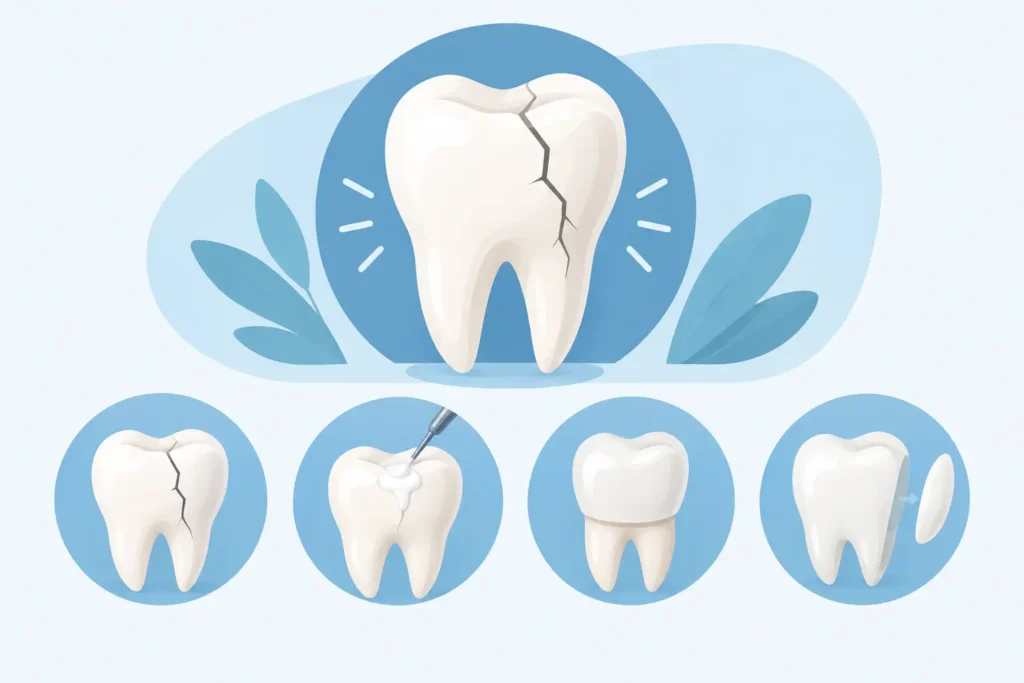
Pain when biting down, especially if it happens with certain foods or comes and goes, may indicate a crack. Small chips are not always urgent, but a crack can deepen over time. A crown may protect some damaged teeth. If the nerve inside has been affected, root canal treatment and a crown may be recommended to save the tooth.
Inflamed or infected tooth nerve
A deep cavity, crack, or old restoration can allow bacteria to reach the dental pulp, the tissue inside the tooth that contains nerves and blood vessels. Pain may become spontaneous, throbbing, or sensitive to heat. Root canal treatment removes the infected or inflamed tissue, cleans the inside of the tooth, and seals it so the tooth can remain in place. It is often the treatment that provides lasting relief when the nerve is the source of pain.
Gum problems and trapped debris
Not all toothaches start inside a tooth. Gum inflammation, periodontal infection, a popcorn hull, or food trapped between teeth can cause tenderness and swelling. Professional cleaning, targeted gum treatment, or removal of debris may resolve the issue. Pain around a partially erupted wisdom tooth also needs an exam, since the gum tissue can become inflamed or infected.
Loose crowns, dentures, or other restorations
A crown that shifts, a broken filling, or a denture that rubs can expose sensitive tooth structure or irritate soft tissue. The repair may be straightforward, but waiting can allow additional damage. Bring any piece that has come off to your appointment if you can find it safely.
How to Prepare for an Emergency Dental Visit
Before your visit, make a note of when the pain began, what makes it worse, and which medicines you have taken. If you have swelling, a photo taken earlier in the day can help show whether it is changing. Bring your insurance information and a current list of medications, allergies, and medical conditions.
If a tooth has been knocked out, handle it only by the crown, not the root. If it is clean, gently place it back in the socket if you are able. If not, keep it moist in milk or saliva and seek immediate dental care. Time matters with this type of injury.
For a broken tooth, rinse your mouth with warm water and save any large pieces. Covering a sharp edge with dental wax can protect your cheek or tongue until you are seen. Do not delay care simply because the pain eases. A damaged tooth can remain vulnerable even when the nerve is temporarily quiet.
Relief Is Better When It Comes With a Plan
Temporary comfort measures have a useful role, particularly overnight or while waiting for an appointment. But recurring pain is your mouth asking for attention. A prompt dental evaluation can identify whether you need a simple filling, a crown repair, gum treatment, root canal treatment, or another solution tailored to your needs.
If your tooth hurts today, take reasonable steps to stay comfortable, then make the call. Getting answers early can protect your health, your time, and the tooth you rely on every day.