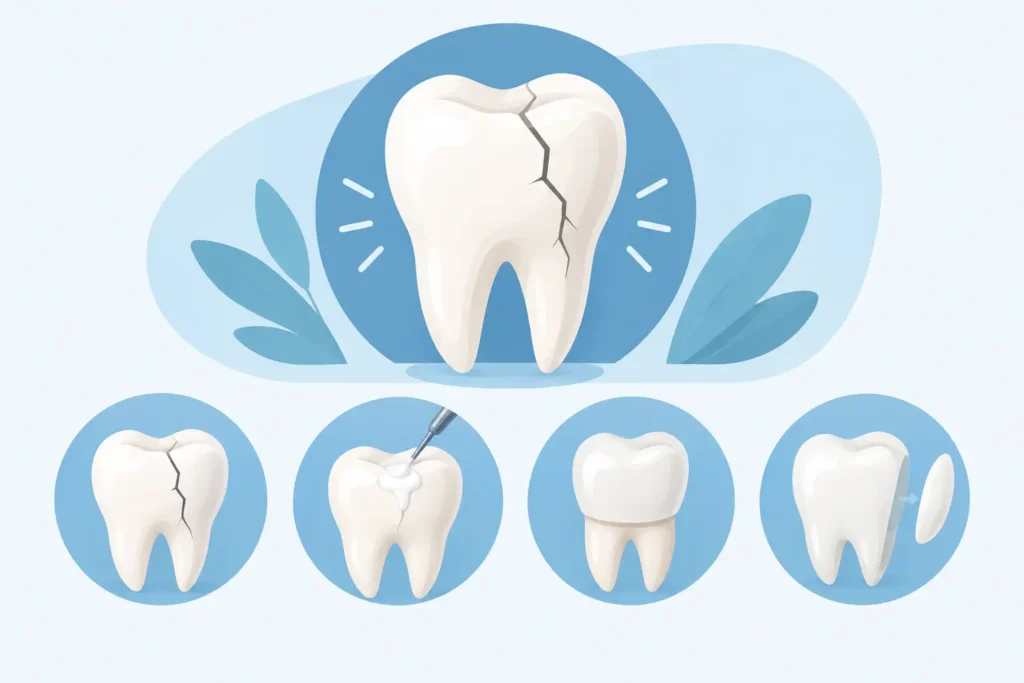
A cavity does not always need to leave behind a noticeable silver spot in your smile. What are composite fillings? They are tooth-colored restorations used to repair teeth affected by decay, small fractures, or worn areas. The material is carefully matched to the natural shade of your tooth, helping your repaired tooth look and function more like it did before the damage.
For many patients, the decision is not only about appearance. A well-placed composite filling can preserve healthy tooth structure, restore a comfortable bite, and stop a small problem from becoming a larger one. The right choice still depends on the size and location of the cavity, your bite, and the overall condition of the tooth.
What Are Composite Fillings Made Of?
Composite fillings are made from a durable resin material blended with very small glass or ceramic-like particles. This combination gives the filling strength while allowing it to be shaped and colored to blend with your tooth.
Unlike traditional amalgam fillings, which have a silver-gray appearance, composite resin is available in multiple shades. Your dentist selects a shade that works with the surrounding enamel, then layers and sculpts the material directly in the tooth. Once it is hardened with a special curing light and polished, the filling can be difficult to notice in everyday conversation.
Composite is commonly used on front teeth, where appearance matters most, but it can also be a practical choice for many cavities in back teeth. It is not automatically the best material for every situation. A very large cavity, a tooth with extensive cracking, or an area exposed to heavy chewing pressure may need a different restoration, such as an onlay or crown.
How a Composite Filling Is Placed
Receiving a composite filling is usually a straightforward procedure completed in one appointment. If the tooth is sensitive or the decay is deeper, the area is numbed first so you can stay comfortable during treatment.
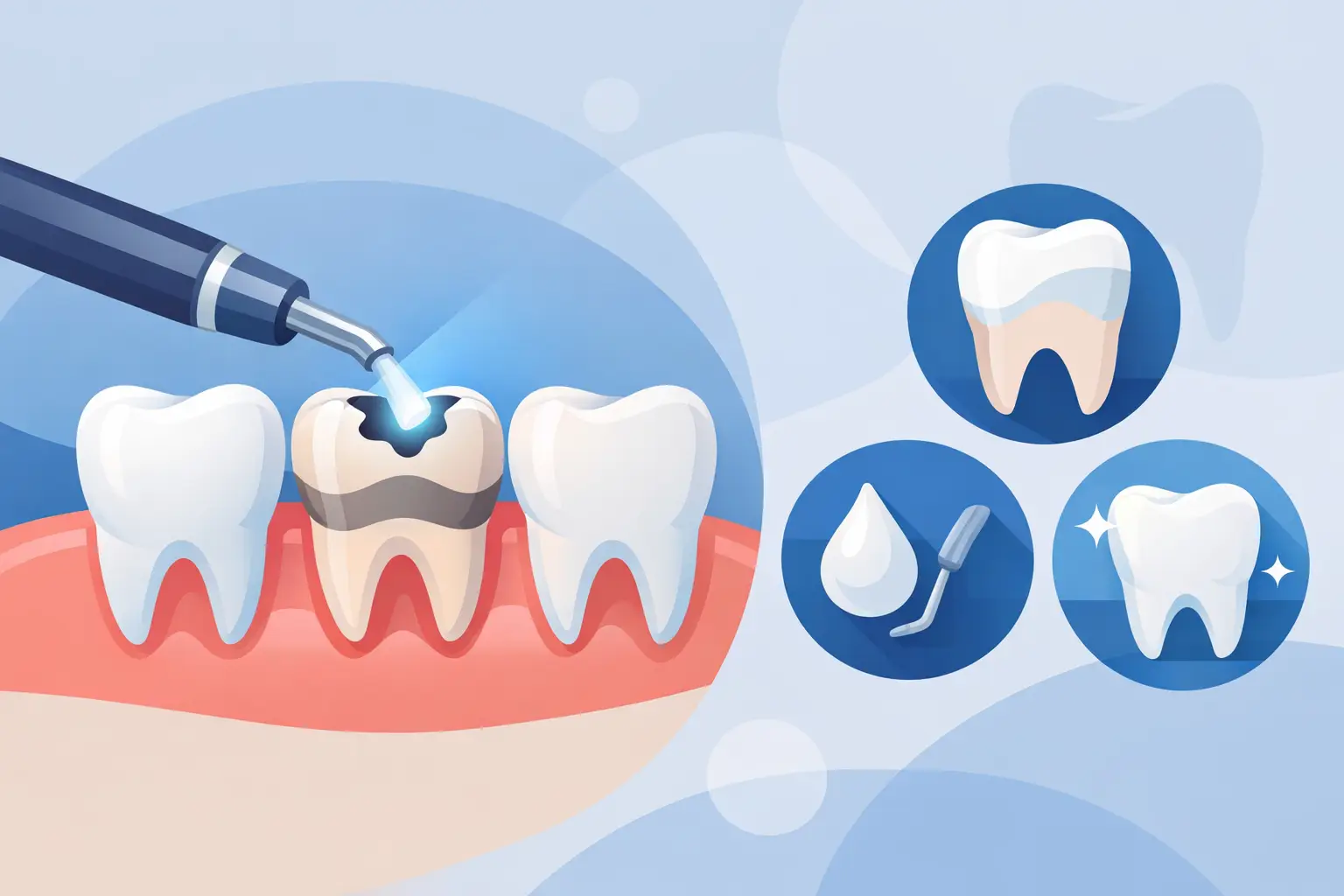
Your dentist removes the decayed or damaged portion of the tooth and cleans the area. The tooth is then prepared with a conditioning solution that helps the bonding material adhere securely. Composite resin is placed in small layers, with each layer hardened using a curing light.
After the filling is built up, the dentist shapes it to fit the natural contours of your tooth. The final step is checking your bite. This matters because even a small high spot can make a newly treated tooth feel sore when you chew. Minor adjustments are quick, and the filling is polished before you leave.
Most people can return to normal activities right away. Because composite material is hardened during the appointment, you can generally eat after the numbness wears off. It is wise to avoid chewing until feeling has fully returned so you do not accidentally bite your cheek, tongue, or lip.
Why Patients Choose Tooth-Colored Fillings
The main advantage of composite fillings is their natural appearance. They can be matched closely to your enamel, which makes them especially useful for visible teeth and small repairs along the edge of a smile.
Composite resin also bonds directly to the tooth. That bond may allow the dentist to remove less healthy tooth structure than would be necessary for some other types of fillings. Preserving natural tooth structure is always a worthwhile goal when the clinical situation allows it.
There are practical benefits as well. Composite can repair small chips, close minor gaps in limited situations, and restore areas of wear. For families and working adults who want treatment that is efficient and discreet, a tooth-colored filling can be an excellent everyday solution.
Still, appearance should not be the only factor. Composite fillings require a dry working area while they are placed, and they can take more time to complete than certain alternatives. They may also stain gradually from coffee, tea, tobacco, or deeply colored foods, particularly at the edges over many years.
How Long Do Composite Fillings Last?
A composite filling can last for many years, but no filling lasts forever. Its lifespan depends on the size of the restoration, where it is located, how strongly you bite, and how consistently you care for your teeth.
Small fillings in areas with moderate chewing pressure may last a long time with good home care and routine dental visits. Larger fillings on molars take more force every day and may wear, chip, or develop leakage around the edges sooner. Teeth grinding can also shorten the life of a filling. If you clench or grind at night, a custom night guard may help protect both your natural teeth and dental work.
Brushing twice daily with fluoride toothpaste, cleaning between teeth every day, and keeping regular exams are the best ways to protect a filling. Dental visits allow your dentist to check for early signs of wear or new decay around the restoration. Catching a small issue early can often prevent a more involved repair.
When a Composite Filling May Not Be Enough
A filling works best when there is enough healthy tooth left to support it. If decay has removed a large portion of the tooth, the remaining structure may be too weak for a filling alone. In that case, biting forces could cause the tooth or filling to crack.
A crown may be recommended when a tooth needs more complete coverage and protection. An onlay may be appropriate when damage is too extensive for a standard filling but does not require a full crown. If decay has reached the nerve of the tooth, root canal treatment may be needed before the tooth is restored.
This is why an exam and X-rays are useful before deciding on treatment. The surface of a cavity may look small, while the decay underneath can be more extensive. A clear explanation of your options, including the expected cost and what insurance may cover, helps you choose treatment with confidence.
What to Expect After Your Appointment
It is normal for a tooth to feel mildly sensitive to cold, heat, or pressure for a few days after a new filling. This is especially common if the cavity was deep or close to the nerve. Sensitivity should gradually improve rather than become more intense.
Contact your dental office if you have sharp pain when biting, a bite that feels uneven, swelling, or sensitivity that persists or worsens. These symptoms do not always mean something is seriously wrong, but they deserve a prompt check. A simple bite adjustment may be all that is needed.
For patients in Quincy and the South Shore, timely care matters when a chipped tooth or cavity begins causing pain. Quincy High Care Dentistry focuses on straightforward treatment plans, comfortable care, and practical options that protect your oral health without unnecessary extras.
Are Composite Fillings Worth It?
For many patients, yes. Composite fillings are a reliable option for repairing small to moderate areas of decay or damage while keeping the restoration natural-looking. They are particularly appealing when the tooth is visible, when preserving healthy tooth structure is possible, or when you prefer not to have a metal-colored filling.
The best filling is the one that fits your specific tooth, bite, budget, and long-term dental needs. If you have a tooth that feels sensitive, catches food, has a visible dark spot, or has lost a piece of old filling, do not wait for it to become painful. An early exam can provide a simpler, more affordable path to protecting your smile.