A tooth that suddenly hurts when you drink coffee, bite into lunch, or breathe in cold air is hard to ignore. So, can cavities cause tooth pain? Yes. Tooth decay is one of the most common reasons for tooth pain, but the timing and type of pain can reveal how far the problem may have progressed.
A small cavity may cause no symptoms at all. As decay moves deeper into the tooth, however, it can lead to sensitivity, sharper pain, or a constant ache that disrupts sleep and makes everyday eating uncomfortable. The good news is that prompt dental care can often stop the decay, relieve discomfort, and help preserve the natural tooth.
How cavities lead to tooth pain
A cavity starts when bacteria in plaque use sugars from food and drinks to produce acids. Those acids gradually weaken and break down the tooth’s outer enamel. Enamel has no nerves, which is why early decay often goes unnoticed.
Once decay passes through enamel and reaches dentin, the layer beneath it, the tooth can become sensitive. Dentin contains tiny channels connected to the tooth’s inner nerve tissue. Cold water, hot foods, sweets, or pressure from chewing can travel through those channels and trigger discomfort.
If decay continues toward the pulp, the soft center of the tooth that contains nerves and blood vessels, pain can become more frequent or severe. At that point, the nerve may be inflamed or infected. A simple filling may no longer be enough, and root canal treatment or another restorative option may be needed to save the tooth.
What cavity pain can feel like
Cavity-related pain is not always dramatic. It may start as a brief twinge after ice cream or a dull spot that only bothers you when you chew on one side. Some people notice a rough area with their tongue, food catching between teeth, or a dark spot. Others have no warning until the cavity is found during a routine exam and X-rays.
As decay worsens, symptoms may include pain that lingers after something hot or cold, a sharp jolt when biting down, spontaneous throbbing, or sensitivity to sweet foods. Pain that wakes you at night or seems to pulse can be especially concerning because it may mean the pulp is irritated or infected.
The location can be misleading. A painful upper tooth may feel like sinus pressure, while pain from one tooth can spread into the jaw, ear, or nearby teeth. An exam is the best way to identify the source instead of guessing based on where it hurts.
Why pain may come and go
Intermittent pain does not mean a cavity is healing. Tooth decay does not reverse once a hole has formed. Symptoms may fade temporarily if an irritant is removed, if food is no longer trapped in the area, or if the nerve changes its response to injury.
In some cases, pain can lessen after the nerve inside a severely damaged tooth dies. That may sound like an improvement, but infection can continue beyond the tooth and form an abscess. Waiting for pain to return can turn a manageable filling into a more involved emergency.
Not every toothache is a cavity
Cavities are common, but they are not the only explanation for tooth pain. A cracked tooth can hurt sharply when you release a bite. Gum disease may cause tenderness, swelling, or loose teeth. Teeth grinding can create jaw soreness and sensitivity, while exposed roots from gum recession can make cold foods painful.
A failing filling, loose crown, impacted wisdom tooth, or dental infection can also cause pain that feels similar to a cavity. Sinus inflammation may create pressure in the upper back teeth, especially during a cold or allergy flare-up. Because several conditions can overlap, home remedies alone are not a reliable way to diagnose the problem.
When tooth pain needs prompt attention
Call a dentist soon if tooth pain lasts more than a day or two, keeps returning, or makes it difficult to eat normally. Early care is usually simpler, more comfortable, and less costly than waiting until the tooth becomes severely damaged.
Same-day attention is especially appropriate if you have facial swelling, swelling around the gums, fever, a bad taste or drainage, severe throbbing, or trouble opening your mouth. These signs can point to an infection that needs professional treatment. Seek urgent medical care right away if swelling affects your eye, neck, breathing, or swallowing.
For patients in Quincy and the South Shore, an emergency dental visit can help determine whether the pain is caused by decay, a crack, an abscess, or another issue that needs treatment. The immediate goal is to control pain, address infection when present, and protect the tooth whenever possible.
What a dentist may recommend
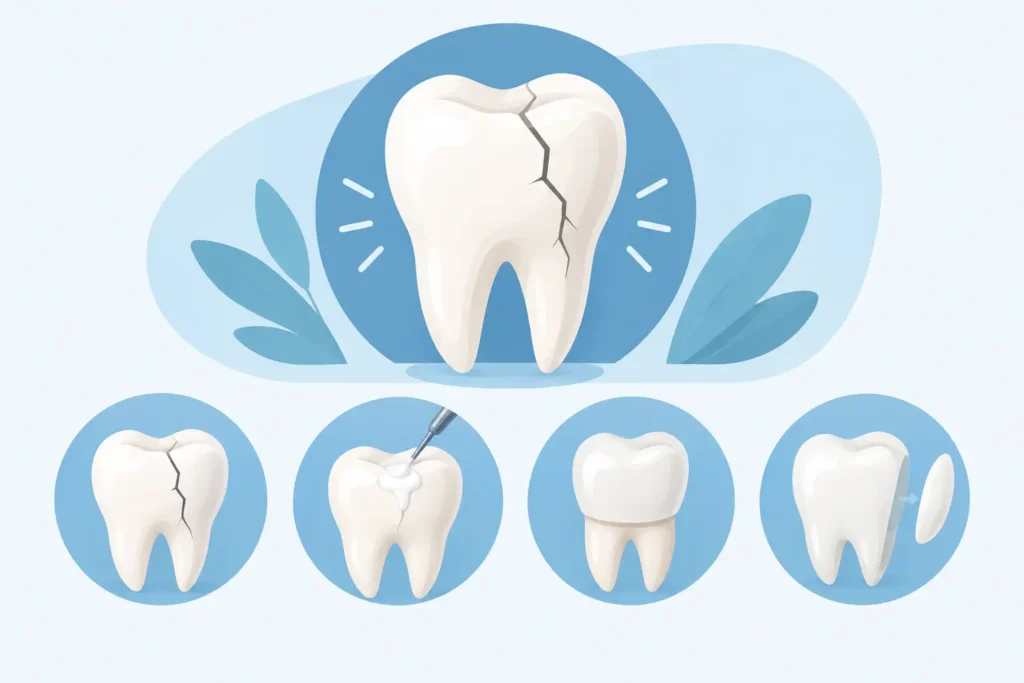
Treatment depends on how much healthy tooth structure remains and whether the nerve is affected. For a small to moderate cavity, the dentist removes the decayed material and places a composite filling. This restores the tooth’s shape and helps seal out bacteria.
When decay has weakened a large portion of the tooth, a crown may be recommended after the damaged area is treated. A crown covers and supports the remaining tooth, which can reduce the chance of a fracture during normal chewing.
If bacteria have reached the pulp, root canal treatment may be the best option. During this procedure, the infected or inflamed tissue is removed, the inside of the tooth is cleaned and sealed, and the tooth is often protected with a crown. Despite its reputation, modern root canal treatment is designed to relieve the pain caused by infection, not create more of it.
If a tooth cannot be saved, extraction may be necessary. Your dentist can discuss replacement options, such as an implant, bridge, or denture, based on your oral health, goals, and budget. The right choice is personal, but delaying care generally reduces options rather than expanding them.
What you can do before your appointment
Over-the-counter pain medication may help if it is safe for you to take and you follow the label directions. Rinsing gently with warm salt water can soothe irritated gums, and avoiding very hot, cold, sugary, or crunchy foods may prevent sudden pain. Choose softer foods and chew on the opposite side when possible.
Do not place aspirin directly on a tooth or gum tissue. It will not treat the cavity and can burn the gums. Avoid relying on temporary filling kits for significant pain, swelling, or a lost restoration. They may cover a symptom briefly, but they cannot remove decay or treat an infection.
Keep brushing twice daily with fluoride toothpaste and clean between your teeth daily, even if an area is sensitive. Be gentle around a painful tooth, but do not stop cleaning it entirely. Bacteria and food debris can worsen gum irritation around an already compromised tooth.
Can you prevent cavities from becoming painful?
Regular checkups are the practical answer. Dentists can find decay between teeth, beneath old fillings, or in areas that are difficult to see before it reaches the nerve. Professional cleanings also remove hardened plaque buildup that brushing cannot remove at home.
At home, consistent fluoride toothpaste, daily flossing or another interdental cleaner, and limiting frequent sugary snacks and drinks make a real difference. It is not only the amount of sugar that matters. Repeated sipping or snacking gives cavity-causing bacteria more chances to produce acid throughout the day.
If a tooth is sensitive, do not wait for it to become unbearable. A quick evaluation can provide answers and often allow for a more conservative treatment. Tooth pain is your body’s signal that something needs attention, and getting care early gives you the best chance to return to comfortable eating, sleeping, and smiling.