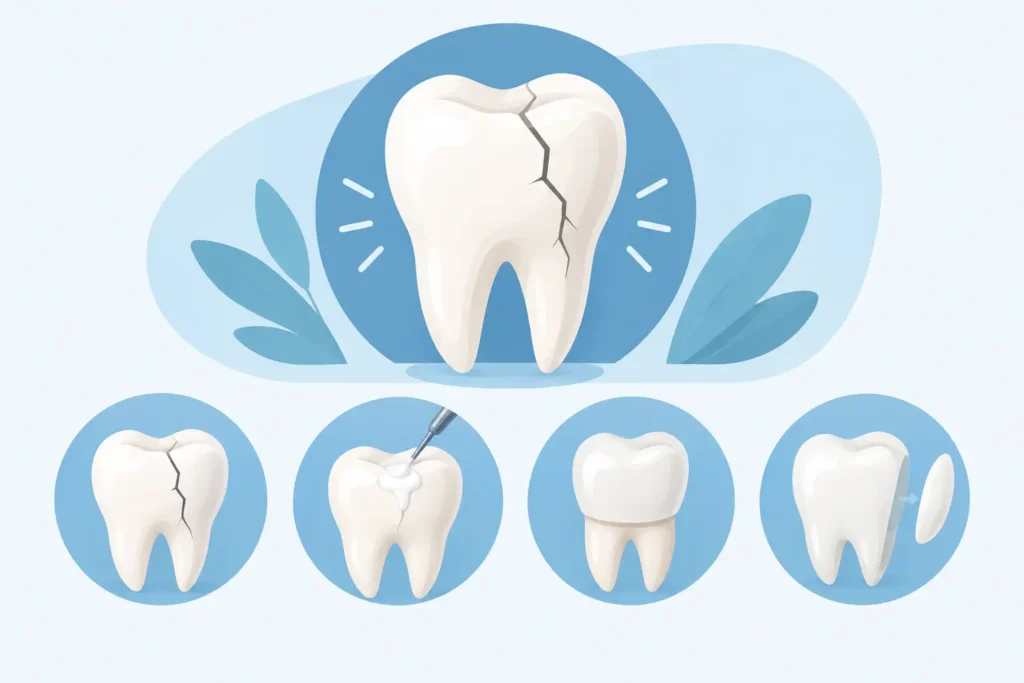
A dental visit should not leave you guessing about what your insurance covers, what you may owe, or whether care can wait. An insurance friendly dental office helps patients use their benefits wisely while keeping the conversation clear, respectful, and focused on the treatment they need.
For families and working adults, that practical support matters. Dental insurance can reduce the cost of preventive care and many common treatments, but every plan has its own rules, annual maximums, waiting periods, deductibles, and network requirements. A helpful dental team does not make promises it cannot keep. Instead, it explains the likely costs, checks available information, and helps you make decisions with fewer surprises.
What Insurance-Friendly Care Really Means
Being insurance-friendly is more than displaying a list of plans at the front desk. It means building a patient experience around straightforward answers, efficient scheduling, and careful financial communication.
A dental office should be prepared to verify benefits before treatment whenever possible. That includes checking whether the plan is active, identifying the deductible, reviewing remaining annual benefits, and estimating the plan’s share for a recommended service. An estimate is not a guarantee of payment from the insurer, but it gives patients a realistic starting point before they sit down in the chair.
It also means recognizing that insurance should support care, not dictate it entirely. A plan may cover one type of crown, filling, denture, or replacement schedule while your dentist recommends a different option based on your oral health. The right conversation includes both the clinical reason for treatment and the financial difference between available choices.
At Quincy High Care Dentistry, patients can expect a practical approach: personalized recommendations, clear discussion of available coverage, and care centered on what will protect their smile over the long term.
Signs You Have Found an Insurance Friendly Dental Office
The best sign is not simply that an office says it accepts insurance. It is how the team handles your questions before and after your appointment.
They explain estimates in plain language
Dental billing terms can feel confusing, especially when treatment is unexpected. A patient-friendly office explains the estimate without rushing through it. You should be able to understand the anticipated insurance payment, your estimated portion, and any factors that could change the final balance.
Ask whether the estimate includes your deductible and whether the office can see how much of your annual maximum remains. If a treatment plan includes several visits, ask how the costs may be divided over time. Clear answers allow you to plan instead of being caught off guard.
They work with most plans, while being honest about limits
No dental office controls an insurance company’s rules or final payment decision. Even offices that work with most insurance plans may be out of network for certain policies, and a benefit quoted before treatment can be adjusted after the claim is processed.
That does not mean you should avoid care. It means the office should be transparent about the difference between in-network and out-of-network benefits, if applicable. In many cases, patients can still receive treatment and submit or receive help submitting claims, but their out-of-pocket responsibility may be different.
They do not pressure you into treatment
An insurance-friendly office respects both your health needs and your budget. If treatment is clinically urgent, such as a painful infection, broken tooth, or failing restoration, the dentist should explain why prompt care is recommended. If a procedure can reasonably be planned for a later date, the team should help you understand that option too.
There are times when delaying treatment can make a problem more complicated and costly. A small cavity may become a larger filling, crown, or root canal need if it is ignored. Still, patients deserve a clear explanation, not pressure or vague warnings.
They make preventive care easy to maintain
Insurance plans commonly provide strong coverage for preventive visits, such as exams, cleanings, and X-rays, though coverage varies by plan. An office that makes scheduling simple, offers convenient appointment options, and sends helpful reminders can make it easier to use those benefits before they expire.
Preventive care is often the best value in dentistry because it gives your dentist a chance to find concerns early. For parents, regular visits also help children become comfortable with the dental office before an urgent problem develops.
Questions to Ask Before Your First Appointment
A few direct questions can tell you a great deal about how an office approaches insurance and patient service. When you call or schedule online, ask whether the practice works with your specific plan and whether it can verify benefits ahead of your visit.
You may also ask what information to bring. Usually, the office will need your insurance card, subscriber identification number, the subscriber’s date of birth, and your employer information if it appears on the plan. Bring a photo ID as well, and let the team know if your coverage has changed since your last dental visit.
If you already know you need treatment, ask how the office handles estimates and prior authorizations. A prior authorization can provide useful information about expected coverage for certain procedures, but it can take time and is not always required. For severe tooth pain, swelling, trauma, or signs of infection, waiting for insurance paperwork may not be the safest choice. A responsive office can help you understand your options and get you evaluated promptly.
It is also reasonable to ask about payment expectations on the day of service. Some offices collect the estimated patient portion at the appointment, while others have different policies for specific procedures. Knowing this in advance makes the visit easier for everyone.
Use Your Dental Benefits With a Long-Term View
Annual dental maximums are one of the most misunderstood parts of dental insurance. The maximum is the amount a plan may pay toward covered services during a benefit year. It is not the same as a spending account, and unused benefits usually do not roll over to the next year.
If you have recommended care and remaining benefits, it may make sense to complete treatment before the plan year ends. However, timing depends on your oral health, the urgency of care, scheduling availability, and whether your benefits reset on a calendar year or another date. The goal should be appropriate care at the right time, not treatment simply because a benefit is available.
For larger treatment plans, such as crowns, dentures, implants, or multiple restorative procedures, ask whether the work can be phased across benefit periods. Sometimes that approach can reduce immediate out-of-pocket costs. Other times, delaying a necessary procedure could lead to pain, damage, or more extensive treatment. Your dentist should help you weigh those trade-offs based on your individual situation.
Why Local Access Matters When a Dental Problem Cannot Wait
Insurance questions become much more stressful when you are dealing with a cracked tooth, lost filling, swelling, or persistent toothache. In that moment, patients need a local office that can focus first on assessing the problem and relieving discomfort, then discuss the practical details of coverage and treatment.
Same-day emergency availability can be especially valuable for Quincy and South Shore families who do not want to spend hours searching for help or wait for a small problem to become a major one. Emergency care may involve an exam, X-rays, a temporary repair, a filling, root canal treatment, or a referral when specialized care is needed. The exact insurance coverage depends on the plan, but delaying an examination because you are unsure about benefits can carry its own cost.
A caring office will explain what is needed now, what may be scheduled later, and what financial information is available at the time. That kind of communication helps patients feel supported when they are already uncomfortable.
Choose Clarity, Not Just a Plan Logo
A plan logo on a website is useful, but it is only the first step. Look for an office that answers calls, respects your time, explains treatment without jargon, and discusses costs before care whenever possible. Experience matters too. A dentist who has treated patients for years can explain options calmly and recommend care based on your health rather than a one-size-fits-all checklist.
The right dental home should make routine visits easier and unexpected visits less overwhelming. Bring your insurance information, ask clear questions, and choose a team that is ready to give you honest answers. That is how dental care becomes more manageable for your budget and better for your long-term health.