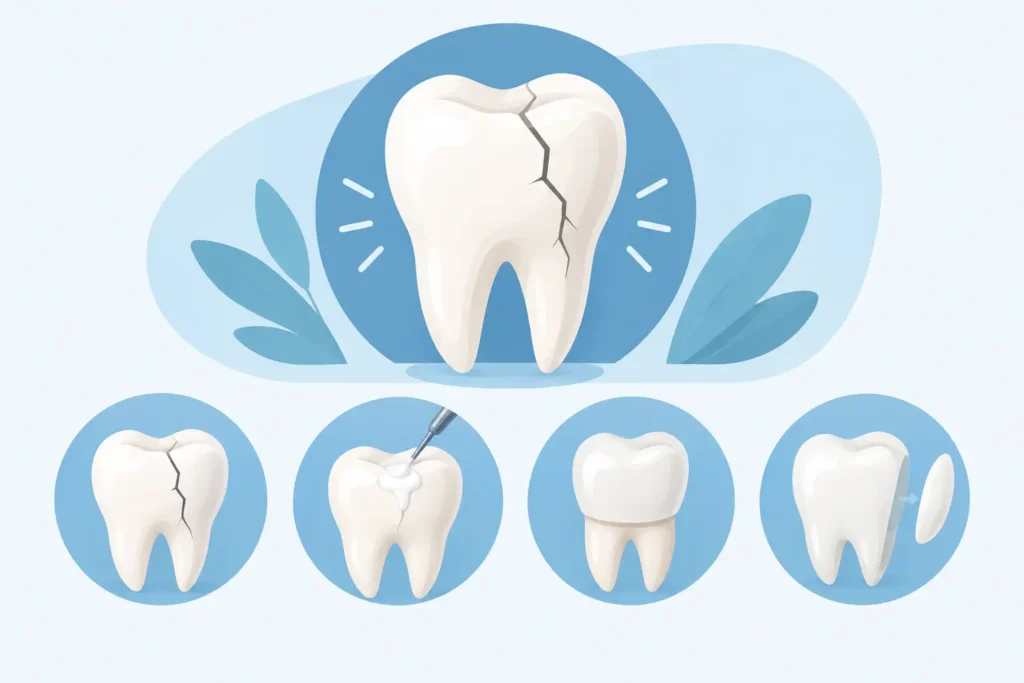
A first tooth can appear quietly, often before a child is saying many words. That is why parents are sometimes surprised by the answer to when should kids see a dentist: the first visit should happen by their first birthday or within six months of the first tooth coming in, whichever comes first.
That appointment is not usually about filling cavities or putting a young child through a long procedure. It is a chance to make sure teeth and gums are developing normally, spot concerns early, and help parents build habits that protect a child’s smile for years. Starting early also lets a child become comfortable with the dental office before there is pain or an urgent problem.
When should kids see a dentist for the first time?
The American Academy of Pediatric Dentistry recommends a first dental visit by age 1. If your baby gets a tooth at 6 or 7 months, schedule the visit within the following six months. If no teeth have appeared by the first birthday, it is still reasonable to bring your child in for an exam and guidance.
Early baby teeth matter. They help children chew, speak clearly, and hold space for permanent teeth. Cavities in baby teeth can cause discomfort, infection, trouble eating, and missed school or daycare. They can also affect the teeth that come in later.
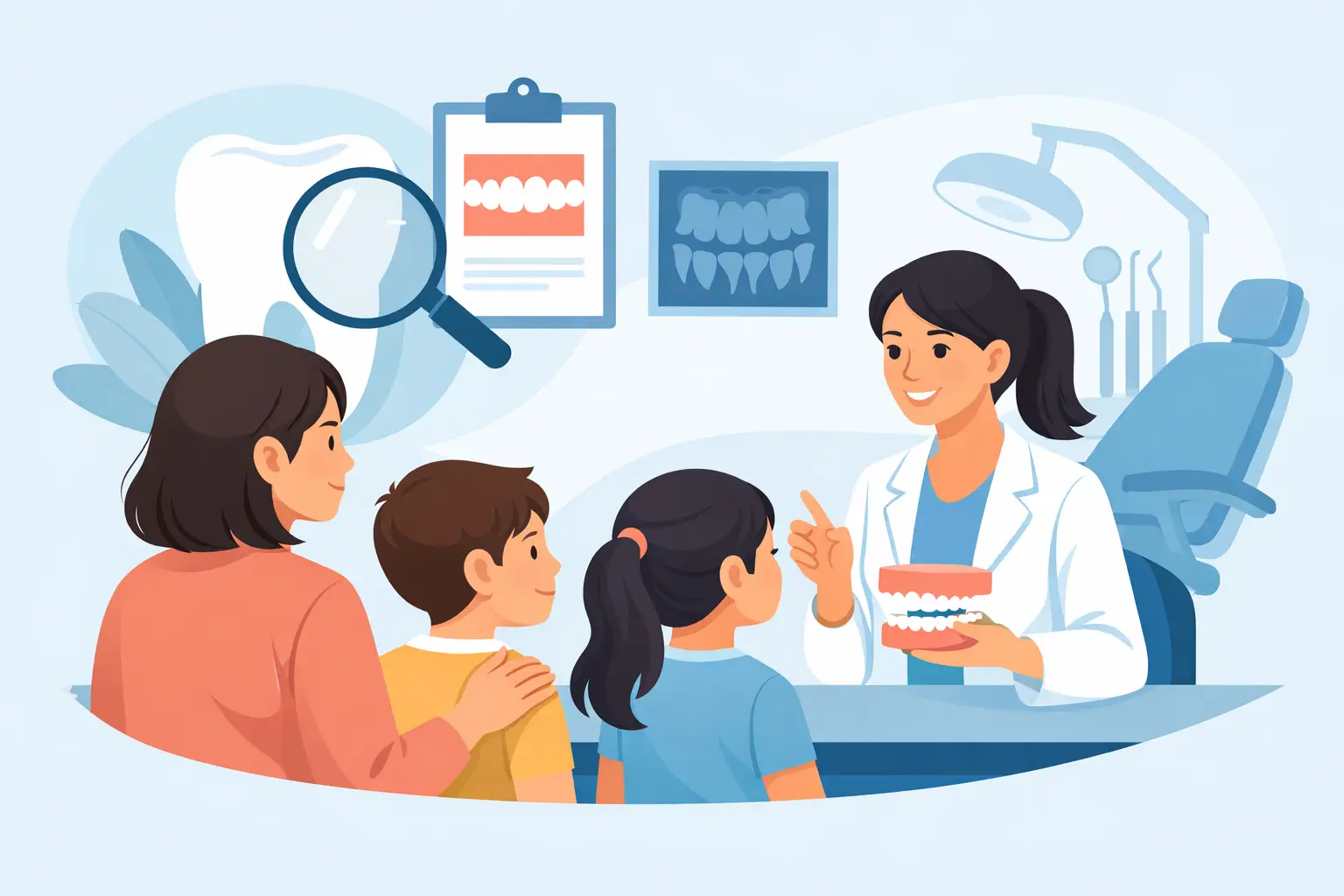
For many parents, the first visit is mostly a conversation. The dentist may look at the gums, erupted teeth, bite, jaw growth, and oral tissues. Parents can ask about brushing, fluoride, thumb or pacifier habits, teething, diet, and anything else that feels unfamiliar. A short, calm visit can make a big difference in how a child feels about future care.
How often should children have dental checkups?
After the first visit, most children benefit from an exam and cleaning about every six months. That schedule allows the dental team to monitor changes as baby teeth arrive, adult teeth begin to erupt, and brushing skills develop.
However, every child is different. A dentist may recommend more frequent visits for children who have had cavities, wear braces, have weak enamel, snack frequently, take medicines that cause dry mouth, or have health conditions that affect oral health. More visits are not a sign that a child has done something wrong. They are a practical way to prevent small problems from becoming uncomfortable and expensive.
Regular checkups also give parents a reliable place to raise questions as their child grows. The advice that works for an 18-month-old is not necessarily the advice a parent needs for a 7-year-old who is learning to brush independently or a teenager managing sports, braces, and busy school schedules.
What happens at a child’s dental visit?
A good pediatric dental visit is paced for the child in the chair. For a baby or toddler, an exam may take place with the child seated on a parent’s lap. Older children may have a cleaning, fluoride treatment when appropriate, and an age-appropriate discussion about brushing and flossing.
The dental team will check for plaque buildup, cavities, gum irritation, bite development, and signs that teeth are not erupting as expected. X-rays are not automatically needed at every visit. They are used when the dentist needs information that cannot be seen during an exam, such as decay between teeth or concerns about developing permanent teeth.
Parents can help by keeping the explanation simple. Tell a child that the dentist will count and clean their teeth. Avoid promising that nothing will hurt, since a dentist may find a problem that needs treatment. It is also best not to use dental visits as a threat. The office should feel like a normal part of staying healthy, just like seeing a pediatrician.
Signs your child should see a dentist sooner
Routine care is the goal, but some symptoms should not wait for the next cleaning. Call a dentist promptly if your child has tooth pain, facial swelling, bleeding that does not stop after gentle pressure, a broken or knocked-out tooth, or a pimple-like bump on the gums. These can point to infection or injury that needs timely care.
Other concerns may be less urgent but still deserve an appointment. These include brown, white, or black spots on teeth; sensitivity to hot, cold, or sweets; persistent bad breath; difficulty chewing; or a loose baby tooth that is causing pain. A child who avoids eating on one side of the mouth may be trying to protect a sore tooth even if they cannot clearly explain what hurts.
If a permanent tooth is knocked out, time matters. Handle it by the crown, not the root, and gently rinse it if dirty. If possible, place it back in the socket without forcing it. If that is not possible, keep it moist in milk or saliva and seek emergency dental care right away. Do not try to put a knocked-out baby tooth back in place, as that can damage the developing permanent tooth.
Preventive habits start before kids can brush alone
Dental care at home begins before the first appointment. Before teeth appear, gently wipe a baby’s gums with a clean, soft cloth. Once the first tooth erupts, brush twice a day with a soft, child-sized toothbrush and a rice-grain-sized smear of fluoride toothpaste.
At age 3, children can generally use a pea-sized amount of fluoride toothpaste, with an adult helping and supervising. Children often need hands-on brushing help until they can tie their own shoes well, usually around ages 6 to 8. Even then, a parent should check that they are reaching the gumline and back teeth.
Food and drinks play a major role, too. Frequent sipping and snacking expose teeth to sugar and acid again and again. Water between meals is usually the best choice, while juice, sports drinks, sweetened tea, soda, and gummy snacks should be occasional rather than everyday habits. A bedtime bottle with milk, formula, juice, or another sweet drink can greatly raise cavity risk because sugars stay on the teeth overnight. If a bottle is needed at bedtime, water is the safer option.
Common milestones worth asking about
Parents do not need to diagnose every change in their child’s mouth, but a few milestones are worth discussing during regular visits. Thumb-sucking and pacifier use are common in young children and often resolve naturally. If the habit continues past about age 3 or becomes intense and frequent, a dentist can assess whether it is affecting the bite or tooth position.
Crowding, early or late tooth loss, mouth breathing, snoring, and trouble speaking clearly can also be useful topics to bring up. A general dentist may monitor the issue, recommend simple preventive steps, or suggest an orthodontic evaluation when the timing is right. Early evaluation does not always mean early braces. Sometimes it simply means watching growth carefully.
Dental sealants may be recommended once permanent molars erupt. These thin protective coatings cover the grooves on chewing surfaces, where toothbrush bristles may not reach well. Sealants are not a substitute for brushing, but they can lower the risk of cavities in teeth that are especially prone to decay.
Making dental visits easier for busy families
Families are more likely to keep up with preventive care when the process feels manageable. Choose appointment times that work around school and work schedules, complete forms ahead of time when available, and bring a short list of questions so concerns do not get forgotten in the rush of the day.
For an anxious child, consistency helps. Schedule regular visits instead of waiting until pain develops, keep your own language calm, and let the dental team guide the appointment. A caring office will explain what is happening in simple terms and adjust the pace when a child needs a moment.
At Quincy High Care Dentistry, families can count on straightforward guidance, personalized care, and a team focused on helping children feel safe while protecting their oral health. The best time to schedule a child’s dental visit is before a small concern becomes a difficult day – whether that means booking the first visit after a new tooth appears or getting back on track with a routine checkup.