A routine cleaning should not feel like the same appointment for every person in the chair. What is personalized dental care? It is dental treatment built around your oral health, medical history, comfort level, goals, schedule, and budget – rather than a one-size-fits-all plan.
For some patients, that means focusing on preventing cavities before they become expensive problems. For others, it means finding relief from a painful tooth quickly, replacing a missing tooth, or creating a manageable plan for years of postponed care. The clinical standard remains high. The difference is that the care plan reflects the person receiving it.
Personalized Dental Care Starts With Listening
A good dental visit begins with more than looking at teeth. Your dentist should ask about concerns that may not appear on an X-ray: sensitivity when you drink something cold, jaw soreness in the morning, anxiety about treatment, a crown that feels slightly different, or a dental benefit that resets at the end of the year.
Your health history matters too. Conditions such as diabetes, heart disease, osteoporosis, acid reflux, dry mouth, and pregnancy can affect oral health or the way treatment is planned. Medications may increase the risk of gum problems, cavities, or bleeding. A personalized approach considers these factors before recommending next steps.
Listening also means respecting what matters most to you. A working parent may need appointments that fit around school pickup. Someone with a broken tooth may need same-day attention. A patient who has avoided the dentist for years may need clear explanations and a calm, step-by-step pace. Those needs are part of care, not an inconvenience.
What Is Personalized Dental Care in Practice?
Personalized dental care is a process, not a single service. It combines a thorough exam with your individual priorities to recommend treatment that is clinically appropriate and practical for your life.
At a preventive visit, your dentist may evaluate your teeth, gums, bite, existing restorations, X-rays when needed, and risk for future problems. Two patients can have similar-looking teeth but need very different care. One may be prone to cavities because of dry mouth or frequent snacking. Another may have healthy teeth but early gum inflammation that needs attention before it progresses.
The treatment conversation should then be specific. Instead of simply hearing that you “need work,” you should understand what the problem is, why it matters, how urgent it is, and which options are available. If a tooth needs a crown, for example, the discussion may include whether the tooth can be restored, whether a root canal is needed first, how long the restoration should last, and what insurance may cover.
Personalization does not mean that every request is automatically the right treatment. A responsible dentist will explain when a requested option is not advisable and recommend the safer alternative. It means you receive honest guidance based on sound dentistry, with room to make informed decisions.
Your Risk Level Shapes Prevention
Preventive care is one of the clearest examples of individualized dentistry. Some patients do well with standard cleanings and regular exams. Others may benefit from more frequent periodontal maintenance because of gum disease, diabetes, tobacco use, or a history of heavy tartar buildup.
A patient with repeated cavities may need more than another filling. Their dentist may look for the cause: dry mouth, a cracked filling, deep grooves in the teeth, frequent sugary drinks, or difficulty cleaning around braces or a bridge. Small adjustments to home care, fluoride use, diet, or appointment timing can help prevent the same problem from returning.
Treatment Plans Should Respect Timing and Cost
Not every dental need has the same urgency. A severe toothache, swelling, infection, or knocked-out tooth needs prompt care. A small chip or older filling may be able to wait if it is stable. Personalized care helps separate what must be addressed now from what can be monitored or scheduled later.
That matters when you are balancing family expenses, insurance benefits, and a busy calendar. A trustworthy practice should be straightforward about costs and help you understand priorities without pressure. Sometimes the best plan is to complete all recommended treatment promptly. Other times, phased care is reasonable, provided delaying a procedure will not compromise the result.
Personalized Care for Common Dental Needs
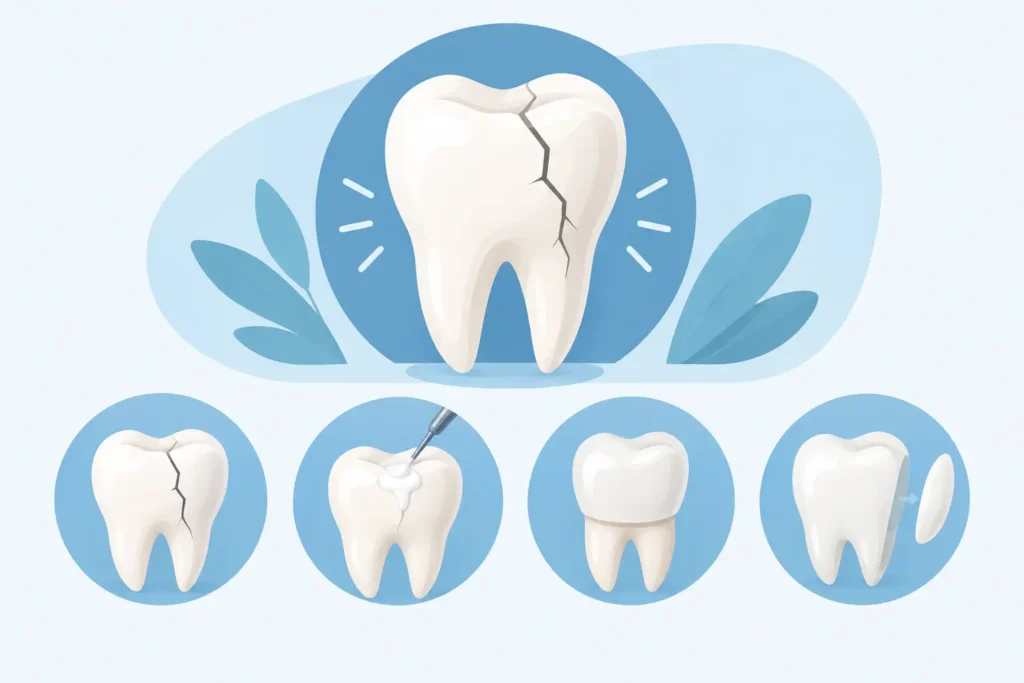
The right treatment depends on the condition of the tooth and the person, not just the name of the procedure. A cavity may be treated with a composite filling when enough healthy tooth structure remains. A larger crack or weakened tooth may need a crown for stronger protection. If the nerve is infected, root canal treatment may save the natural tooth before it is restored.
Missing teeth also require an individualized conversation. A dental implant can offer a stable, long-term replacement for many patients, but it may not be the best choice for everyone. Bone levels, gum health, medical history, healing time, treatment cost, and personal preference all matter. A bridge or denture may be the more practical option in certain situations.
Children benefit from this approach as well. Pediatric dental care should account for a child’s age, cavity risk, cooperation level, and stage of development. Some children need extra time to feel comfortable. Others may need focused preventive guidance because they are at higher risk for decay. Parents should leave with clear instructions, not uncertainty.
Comfort Is Part of Quality Care
Dental anxiety is common, and it can lead people to postpone care until discomfort becomes an emergency. Personalized dentistry recognizes that fear, past experiences, and sensory sensitivities are real barriers.
Comfort may involve explaining each step before treatment begins, agreeing on a signal to pause, scheduling enough time so the visit does not feel rushed, or breaking a larger plan into smaller appointments. Clear communication often makes a major difference. You deserve to know what will happen, how long it may take, and what to expect afterward.
Efficiency matters too. Respecting your time does not mean rushing through an exam. It means being prepared, communicating clearly, and helping patients get the care they need without unnecessary delays. For a patient in pain, access to an emergency appointment can be just as meaningful as the treatment itself.
The Value of Seeing the Same Dental Team Over Time
Personalized care becomes stronger as your dental team gets to know you. Over time, they can compare X-rays and exam findings, track a small area of concern, notice changes in gum health, and understand which treatments have worked well for you.
This continuity can prevent surprises. A dentist who knows that you clench your teeth may watch a crown differently than they would for another patient. A team familiar with your previous sensitivity can plan a cleaning or restorative visit with that in mind. For families, having one dependable office for preventive visits, children’s care, restorations, and urgent needs can make dental care easier to manage.
Questions Worth Asking at Your Next Visit
You do not need dental training to take an active role in your care. Ask what the dentist sees, whether the issue is urgent, what could happen if you wait, and which options fit your goals. If a treatment is recommended, ask about the expected lifespan, the benefits and limitations, and the cost before moving forward.
It is also reasonable to discuss insurance. Dental insurance can help with covered services, but it does not always determine what is best for your health. Your dentist should help you understand the difference between an insurance benefit and a treatment recommendation, so you can make a decision with confidence.
The best dental care is not about adding unnecessary services or offering a luxury experience. It is about receiving skilled, attentive treatment from a team that sees the person behind the appointment. At Quincy High Care Dentistry, that means listening carefully, explaining options clearly, and helping patients throughout Quincy and the South Shore protect their smiles in a way that makes sense for their lives.
If something feels different in your mouth, do not wait for it to become a bigger problem. A conversation with a dentist who understands your history, concerns, and priorities is often the most practical first step.