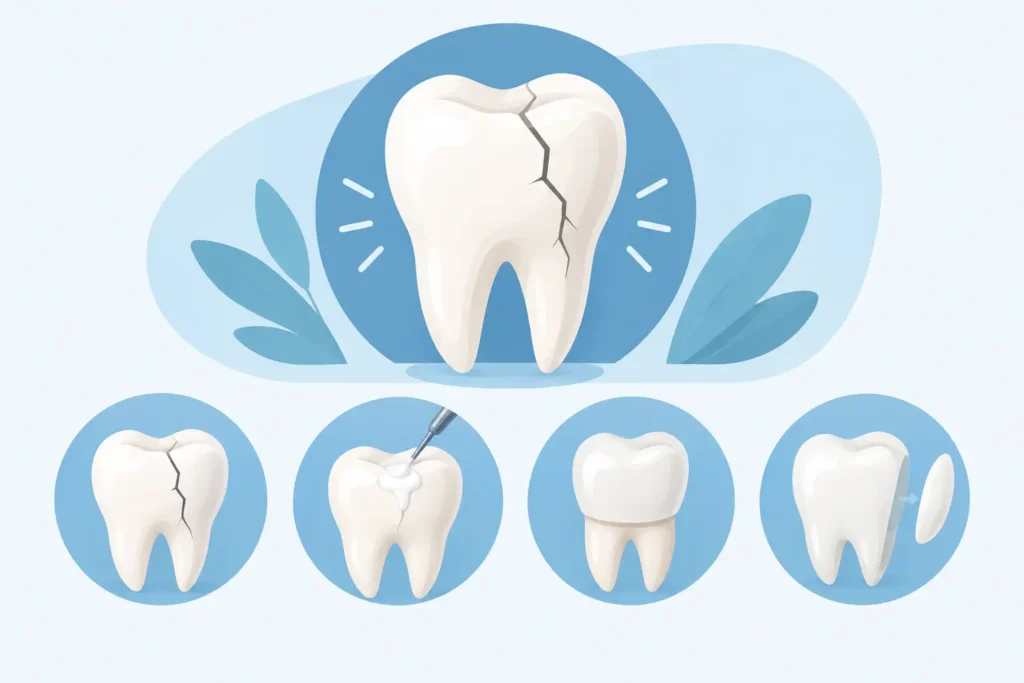
Most people are not looking for a dozen different dental offices. They want one reliable place for cleanings, fillings, tooth pain, family checkups, and honest advice when something feels off. That is really the easiest way to understand what is general practice dentistry: it is the part of dentistry focused on the day-to-day oral health needs of children, teens, adults, and seniors.
A general practice dentist is usually the main dentist you see over time. Instead of treating just one narrow issue, they provide a wide range of care, help prevent problems before they get worse, and guide you when a specialist is needed. For many families, this is the dental office that becomes their long-term home base.
What Is General Practice Dentistry and Why Does It Matter?
General practice dentistry covers the essential services that keep your teeth, gums, and mouth healthy. That includes preventive care like exams and cleanings, restorative care like fillings and crowns, and problem-focused care for issues such as toothaches, broken teeth, or gum irritation.
What makes it valuable is not just the list of services. It is the continuity. When you see the same office regularly, your dentist gets to know your history, your x-rays, your past treatments, and the small changes that may signal a problem early. That can save time, discomfort, and money.
It also makes dental care simpler. If your child needs a checkup, you need a crown, and your spouse has a sudden toothache, a general dental office can often handle most or all of those needs in one place. For busy families and working adults, that matters.
What Does a General Dentist Actually Do?
A general dentist diagnoses, treats, and helps prevent common oral health problems. Some visits are routine and some are urgent. Either way, the role is broader than many people realize.
On the preventive side, general dentists perform oral exams, professional cleanings, digital x-rays, and screenings for concerns such as cavities, gum disease, and signs of infection. They also talk with patients about brushing, flossing, diet, dry mouth, grinding, and other everyday factors that affect dental health.
On the treatment side, they often provide composite fillings, crowns, dentures, root canal treatment, and care for damaged or infected teeth. Many also offer pediatric dentistry and emergency dental care, which can be especially helpful when a problem comes up suddenly and you do not want to start from scratch with an unfamiliar office.
That range is why general dentistry is often the first stop for both routine care and unexpected problems.
Common Services in General Practice Dentistry
The exact services can vary by office, but most general practice dental offices focus on a practical mix of prevention, repair, and ongoing maintenance.
Preventive care
This is the foundation. Regular exams and cleanings help remove plaque buildup, catch cavities early, monitor gum health, and spot issues before they become more complicated. Preventive visits may feel simple, but they often prevent the need for more involved treatment later.
Restorative care
If a tooth has decay, damage, or wear, general dentists often restore it with a filling or crown. If a tooth is missing, they may offer dentures or dental implants, depending on the office and the patient’s needs. The goal is to bring back function, comfort, and appearance without making treatment more complicated than it needs to be.
Emergency care
General dentistry often includes care for urgent issues such as severe tooth pain, swelling, cracked teeth, broken fillings, or dental infections. Not every emergency requires a hospital visit. In many cases, a general dentist is the right place to start because they can diagnose the issue quickly and begin treatment.
Family and pediatric care
Many general dentists see both adults and children. That makes scheduling easier and helps families build one trusted relationship for ongoing care. Children benefit from early monitoring, while parents benefit from having care that fits into real life.
What Is the Difference Between General Dentistry and a Specialist?
This is where some confusion comes in. General dentists treat a wide variety of dental issues, but dental specialists focus on one area of care in greater depth.
For example, an orthodontist focuses on bite alignment and braces. A periodontist focuses on advanced gum issues. An oral surgeon handles certain surgical procedures. An endodontist specializes in root canal treatment. A pediatric dentist focuses on children’s dental care.
That does not mean a general dentist only handles basic cleanings. Many provide advanced services and have extensive clinical experience. But if a case is unusually complex, your general dentist may refer you to a specialist. That is not a drawback. It is part of good patient care.
A strong general dental office knows what can be handled in-house and when a referral is the best option. Patients benefit from both convenience and sound judgment.
Who Should See a General Practice Dentist?
In most cases, almost everyone should have a general dentist. If you need routine exams, preventive care, treatment for cavities, help with tooth pain, or a plan for missing or damaged teeth, general practice dentistry is designed for you.
It is especially useful for people who want one office to manage their care over time. That includes parents balancing family schedules, adults who have delayed dental treatment and want a practical place to restart, and older patients who may need a mix of preventive and restorative care.
Even if you eventually need a specialist, a general dentist is often the person who identifies the issue first, explains your options, and helps coordinate next steps.
When Should You Call a General Dentist?
Some people wait until pain forces the issue. That is common, but not ideal. It is better to call when you are due for a checkup, notice sensitivity, chip a tooth, lose a filling, see gum bleeding, or feel any change that does not seem normal.
A small problem can stay small if it is caught early. A cavity can often be treated with a filling before it becomes a deeper infection. Gum irritation can be addressed before it turns into more serious periodontal disease. A cracked tooth may be protected with a crown before it breaks further.
There are also times when you should call right away, such as swelling, sharp pain, signs of infection, or dental trauma. In those moments, having an established general dentist can make a big difference because the office already knows your history and may be able to see you quickly.
What to Expect From a Good General Dental Office
A good general practice is not just about offering services. It is about making care understandable, efficient, and personal.
You should expect clear communication about what the dentist sees, what treatment is recommended, and what can wait if timing or budget is a concern. Honest dentistry matters. Not every patient needs everything at once, and a trustworthy office will explain priorities rather than pushing unnecessary treatment.
You should also expect a patient-friendly process. That means reasonable scheduling, insurance guidance when possible, and an approach that respects your time. For many people, convenience is not a bonus. It is one of the reasons they keep up with care at all.
Experience matters too. A dentist who has treated a wide variety of cases over many years can often recognize patterns quickly, explain options more clearly, and help anxious patients feel more at ease. That kind of steady, practical care is what many people want from a neighborhood office.
Is General Practice Dentistry Enough for Long-Term Care?
For many patients, yes. General practice dentistry can cover the majority of long-term oral health needs, especially when visits are consistent and problems are treated early. Cleanings, exams, fillings, crowns, dentures, emergency visits, and many common procedures all fall within that scope.
Still, it depends on your situation. Some patients will eventually need specialist care for complex surgery, advanced orthodontics, or severe gum disease. But even then, the general dentist remains central. They are often the provider who monitors your overall oral health before, during, and after specialty treatment.
That ongoing relationship is one of the biggest advantages of general dentistry. You are not just getting a service. You are building a care plan over time with a team that knows your needs.
If you have been putting off dental care because you were not sure where to start, general practice dentistry is usually the right place. It gives you a practical first step, a clear picture of your oral health, and a dependable place to turn whether you need prevention, repair, or urgent help. At its best, it feels less like navigating a system and more like having a trusted dental office that is simply there when you need it.