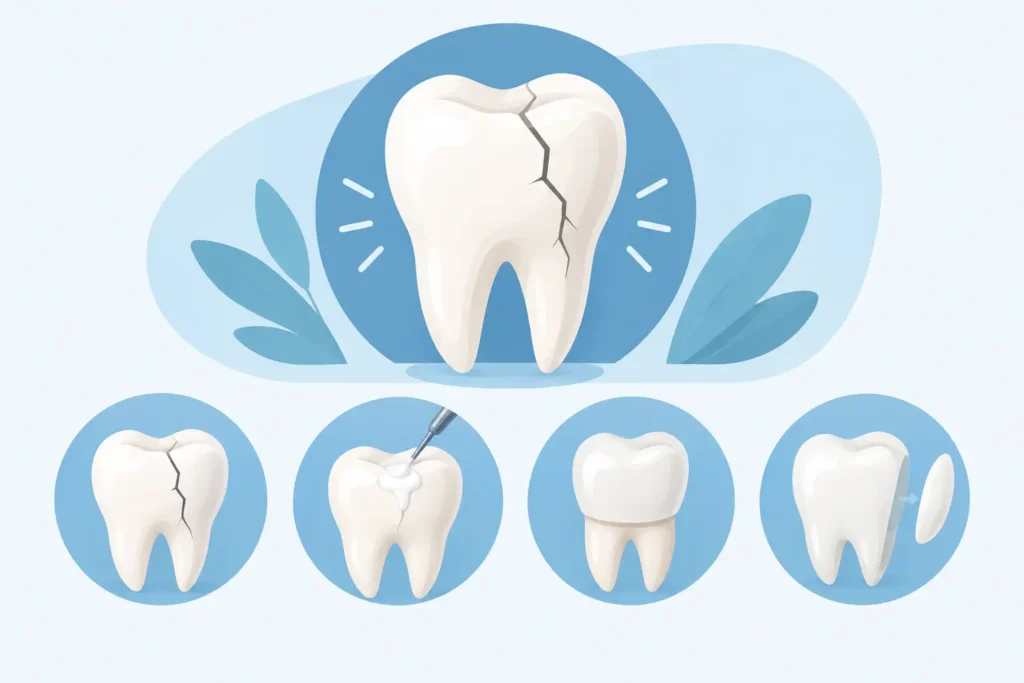
A root canal is usually recommended for a reason you can feel: persistent tooth pain, sensitivity that lingers, swelling, or an infection deep inside the tooth. Knowing how to prepare for root canal treatment can replace some of the uncertainty with a clear plan. In most cases, the appointment is more comfortable and routine than patients expect, especially when you arrive rested, informed, and ready to follow your dentist’s instructions.
Root canal treatment removes infected or inflamed tissue from inside a tooth, cleans and disinfects the area, and seals it to help preserve the natural tooth. The goal is to stop pain and infection while avoiding extraction when possible. Your individual preparation may vary based on the tooth involved, the extent of infection, your health history, and whether you will receive a temporary or permanent restoration afterward.
How to Prepare for Root Canal Treatment Before Your Visit
Start by reviewing the instructions from your dental office. If you have questions about eating, medications, sedation, transportation, or insurance, ask before the day of treatment. A quick call can prevent last-minute stress and help your appointment stay on schedule.
Get a good night’s sleep if you can. Dental pain can make that difficult, but rest can help you feel calmer and better able to sit through the visit. Wear comfortable clothing, and consider bringing a light sweater. Even a comfortable office can feel cool when you are sitting still for an extended period.
Plan to arrive a few minutes early, particularly if you have paperwork, insurance updates, or a change in your medical history to discuss. Bring a photo ID, insurance card if applicable, and a current list of medications and supplements. That list should include prescription medicines, over-the-counter pain relievers, vitamins, and herbal products.
Tell Your Dentist About Health Changes and Medications
Your dentist needs an accurate picture of your health before treatment. Let the office know if you are pregnant, have diabetes, high blood pressure, heart conditions, sleep apnea, a bleeding disorder, or a weakened immune system. Also mention medication allergies and any past reactions to local anesthetic.
Do not stop prescribed medication on your own. This is especially true for blood thinners, diabetes medication, and blood pressure medication. Your dentist may coordinate with your physician when necessary, but many patients can continue their usual medicines as directed. The safest approach is to ask rather than make changes based on general advice online.
If you have been prescribed an antibiotic or pain medication for the tooth, take it exactly as directed. Antibiotics are not needed for every root canal, and they do not replace treatment when infected tissue is inside the tooth. If you develop a rash, trouble breathing, severe diarrhea, or another concerning reaction after starting a medication, seek medical guidance promptly.
Should You Eat Before a Root Canal?
For a standard root canal performed with local anesthetic, eating a normal, balanced meal beforehand is often a good idea. Choose something filling but easy to digest, such as eggs, oatmeal, yogurt, soup, rice, or a sandwich. You may be numb for a few hours after the procedure, so eating first can keep you comfortable and prevent you from trying to chew while your mouth is still numb.
Avoid alcohol before and after treatment, particularly if you will take prescription pain medicine, antibiotics, or sedating medication. It is also wise to limit heavy caffeine if it makes you anxious or raises your heart rate.
The exception is sedation. If your dentist has prescribed an oral sedative or planned another form of sedation, you may need to avoid food or drink for a specific period beforehand. Follow the office’s instructions exactly, since fasting rules depend on the medication and type of sedation being used.
Arrange a Ride When Sedation Is Involved
Local anesthetic alone does not usually prevent you from driving. Your lip, cheek, or tongue may remain numb for a while, but most people can return to work or normal activities the same day.
If you are receiving oral sedation, anti-anxiety medication, or anything that may make you drowsy, arrange for a responsible adult to drive you home and stay available afterward. Do not plan to drive, operate equipment, make major decisions, or return to a physically demanding job that day. If you are unsure whether transportation is needed, ask before your appointment instead of waiting until you are in the chair.
What to Expect During the Appointment
Understanding the process can take some of the fear out of it. Your dentist will numb the tooth and surrounding area thoroughly. You may feel pressure, vibration, or hear dental instruments, but sharp pain is not something you should try to tolerate. Raise your hand or signal the team if you are uncomfortable. More anesthetic or a short break may be all that is needed.
A protective sheet called a dental dam is commonly used to keep the tooth dry and to protect the treatment area. The dentist creates a small opening in the tooth, removes the damaged pulp, cleans the narrow canals inside the roots, and seals them. Depending on the case, the tooth may receive a temporary filling first, or it may be restored at the same visit.
Some root canals take one appointment, while others require more than one. Teeth with complex root structures, extensive infection, or difficult anatomy can need additional time. That is not a sign that anything has gone wrong. It is often the careful approach needed to give the tooth the best chance of healing.
Plan for the Hours After Treatment
Before leaving, make sure you understand the next step for your tooth. Many back teeth need a crown after root canal treatment because they can become more brittle and may crack under chewing pressure. A front tooth may have different restoration needs. Do not assume a temporary filling is the final step unless your dentist confirms it.
Wait until numbness has worn off before eating, and avoid chewing on the treated side until you have been told it is safe. Soft foods are usually easiest for the first day: soup that is not too hot, pasta, scrambled eggs, mashed potatoes, smoothies, yogurt, or soft fruit. Avoid hard candy, nuts, ice, sticky foods, and anything that could dislodge a temporary restoration.
Mild soreness or tenderness when biting is common for a few days, especially if the tooth was very inflamed before treatment. Your dentist may recommend an over-the-counter pain reliever or prescribe medication based on your needs. Take only what has been recommended for you and follow label directions carefully.
Call the dental office if you have severe pain that does not improve, swelling that worsens, a fever, a bite that feels uneven, a lost temporary filling, or signs of an allergic reaction. If facial swelling affects breathing or swallowing, seek emergency medical care immediately.
Questions Worth Asking Before You Leave
A few clear questions can make recovery easier. Ask when you can eat normally, whether you need a crown or follow-up visit, what pain relief is appropriate for you, and which symptoms should prompt a call. If cost or insurance coverage is a concern, ask for a straightforward explanation of the anticipated treatment plan before work begins.
At Quincy High Care Dentistry, patients can expect direct answers and personalized guidance based on their tooth, health history, and schedule. A root canal should not feel like a mystery or a test of endurance. It is treatment designed to relieve pain and protect a tooth that still has a role to play.
If your tooth is hurting now, do not wait for swelling or pain to become harder to manage. Call a dentist, explain your symptoms clearly, and ask what you should do before your visit. Taking that first practical step is often the best preparation of all.