A toothache that comes with swelling is your mouth asking for more than a quick fix. Knowing how to handle toothache swelling can reduce discomfort while you arrange dental care, but swelling often points to an infection, injury, or another problem that needs professional treatment. Home care can help you get through the day. It cannot remove the underlying cause.
Start by deciding whether it is an emergency
Call a dentist promptly when tooth pain is paired with swelling in the gum, cheek, jaw, or face. A same-day dental visit may be needed, particularly if the pain is severe, the swelling is growing, or you notice a pimple-like bump on the gum near a painful tooth.
Seek emergency medical care right away if you have trouble breathing, swallowing, or opening your mouth; swelling that is spreading toward your eye or neck; a fever; confusion; or significant facial swelling. These can be warning signs that an infection is spreading beyond the tooth and should not wait for a routine appointment.
For Quincy and South Shore families, this is one situation where it is better to call early than wait overnight hoping the swelling will settle. A dental office can help determine whether you need an urgent visit, an emergency room, or the next available appointment.
What you can do now for toothache swelling
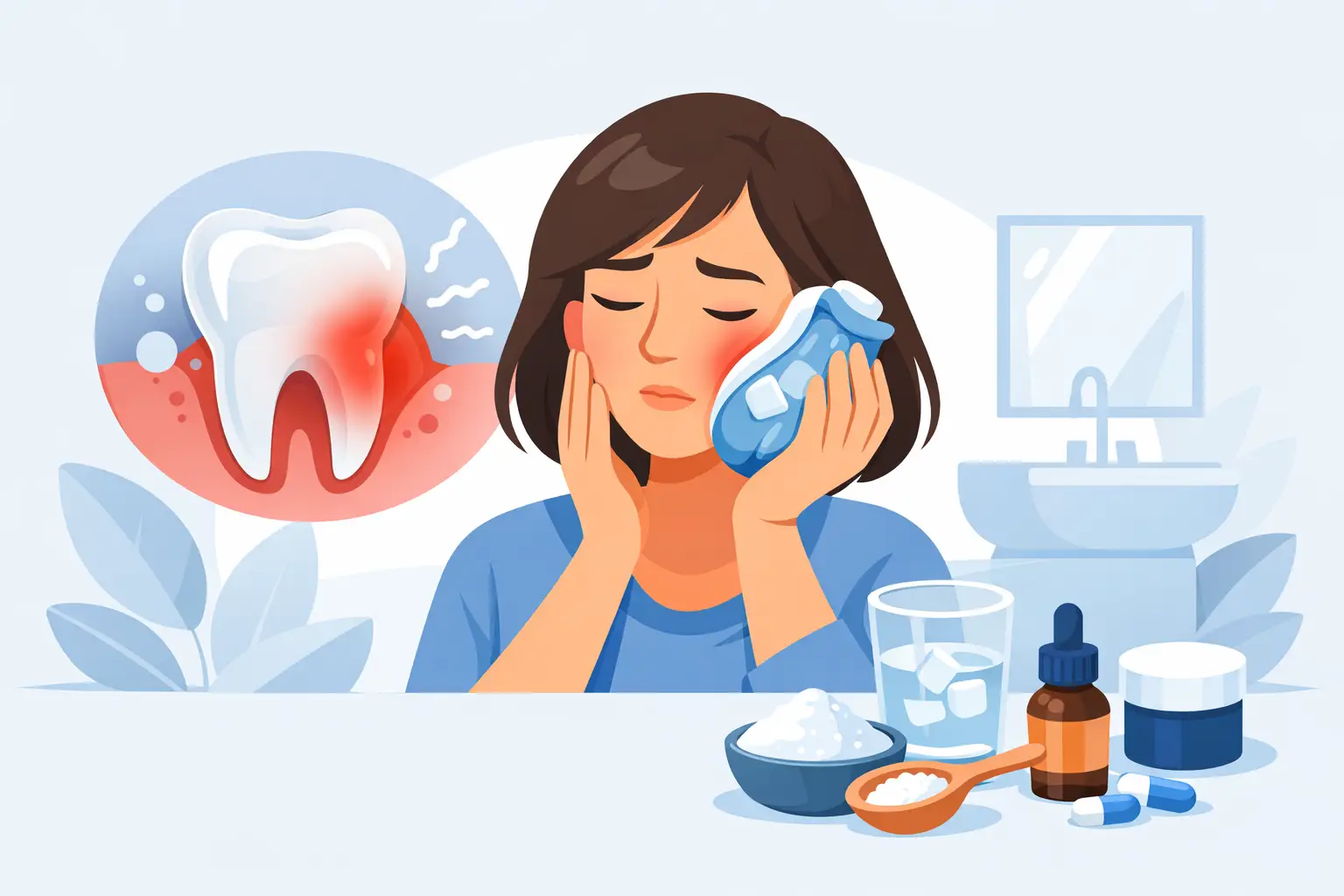
Until you are seen, focus on gentle measures that ease symptoms without irritating the area further. Rinse your mouth carefully with warm salt water several times a day. Mix about half a teaspoon of salt into an 8-ounce glass of warm water, swish gently, and spit it out. This can help keep the area clean and soothe sore gum tissue.
Apply a cold compress to the outside of your cheek for 15 to 20 minutes at a time, with a cloth between the cold pack and your skin. Cold can temporarily reduce discomfort and help limit visible swelling. Do not apply heat to your face. Heat may increase blood flow and can make swelling from an infection worse.
Over-the-counter pain medicine may also help if it is safe for you to take. Ibuprofen can reduce pain and inflammation for many adults, while acetaminophen is another option for people who cannot take anti-inflammatory medication. Follow the label exactly, and ask a pharmacist or healthcare professional before taking either medicine if you are pregnant, have kidney or liver disease, take blood thinners, have ulcers, or are managing other medical conditions.
Keep your head elevated when resting. Lying completely flat can make throbbing pain feel more intense. Choose soft foods, chew on the opposite side of your mouth, and avoid very hot, very cold, sugary, or acidic foods if they trigger pain.
What not to do when a tooth is swollen
A few common home remedies can cause more harm than relief. Never place aspirin directly on the tooth or gum. Aspirin can burn delicate oral tissue and will not treat the source of the pain. Avoid putting alcohol, hydrogen peroxide, essential oils, or crushed medication on the area as well.
Do not try to pop, drain, or squeeze a swollen gum bump. If the swelling is an abscess, opening it yourself can introduce more bacteria and delay proper treatment. Likewise, do not use leftover antibiotics or someone else’s prescription. The wrong medication, dose, or duration may not control the infection and can make future treatment more difficult.
If a piece of food seems stuck between teeth, you may gently floss once. Do not force floss into sore gums or use sharp objects to dig around a painful tooth. A toothpick, pin, or similar tool can injure the gum and worsen the swelling.
Why toothache swelling happens
Swelling can come from several dental problems, and the right treatment depends on the cause. A cavity that reaches the inner nerve of a tooth can allow bacteria to create an infection at the root. This may cause persistent throbbing, sensitivity to pressure, a bad taste, drainage, or a tender bump on the gum.
Gum disease can also lead to swollen, tender tissue, especially around a tooth with a deep gum pocket. A cracked tooth, food trapped below the gumline, an erupting wisdom tooth, or an injury to the mouth may produce similar symptoms. In children, swelling around a painful tooth needs timely attention too, even if the tooth is a baby tooth.
Antibiotics are sometimes appropriate when an infection is spreading or there are systemic symptoms such as fever. However, antibiotics alone usually do not solve a dental infection. The source often needs to be treated through drainage, a root canal, restoration, gum treatment, or, in some cases, extraction. That is why the pain may return after temporary relief if the tooth itself is not addressed.
How a dentist treats a swollen tooth
At an urgent dental visit, the dentist will examine the tooth and gums, review your symptoms, and may take an X-ray to see what is happening below the surface. The goal is to identify the source of the swelling and relieve pressure, pain, and infection as safely as possible.
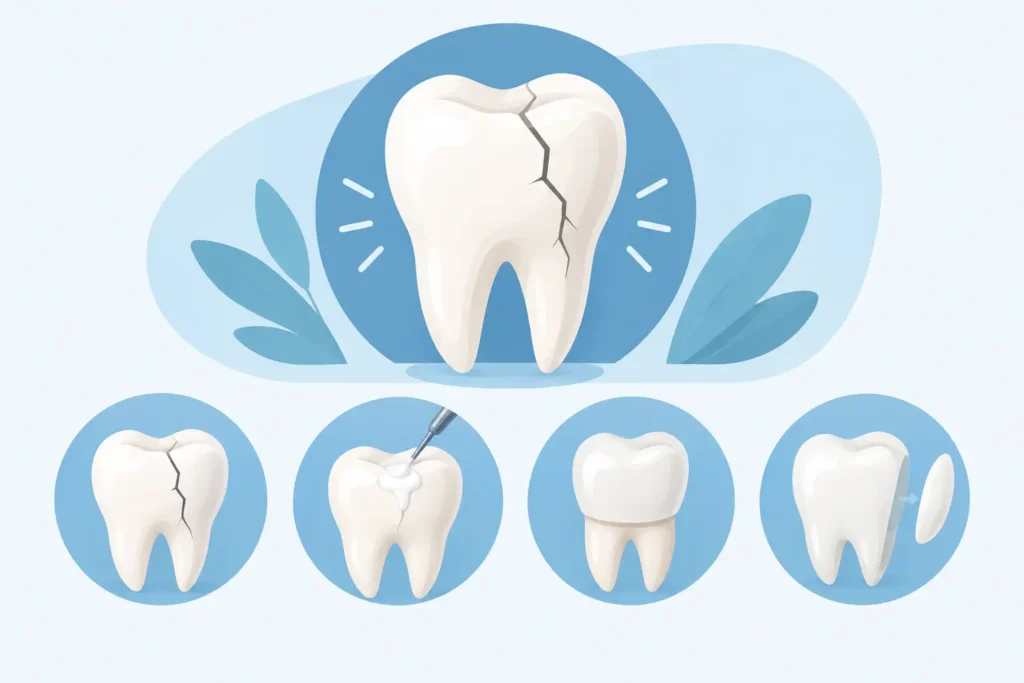
If the tooth can be saved, root canal treatment may remove infected tissue from inside the tooth and preserve it. A filling or crown may be needed afterward to restore strength and prevent future damage. If the tooth is too damaged to restore, extraction may be the healthier choice. When swelling is caused by gum disease, treatment may focus on cleaning below the gumline and managing the infection around the tooth.
The best approach is not always the same for every patient. The condition of the tooth, the location of the infection, your overall health, and how quickly symptoms developed all matter. A clear treatment plan should explain what needs to happen now, what can wait, and what your payment or insurance options may be.
When swelling can wait briefly and when it cannot
Mild gum irritation after flossing or a small sore spot from food caught between teeth may improve with gentle rinsing and careful cleaning. But swelling connected to a toothache deserves a call to a dentist, even if the pain comes and goes. Nerve pain can fade when a tooth’s nerve is dying, while the infection continues underneath.
Do not wait for a scheduled cleaning if you have a swollen face, increasing pain, pus or drainage, fever, or difficulty eating. These are not symptoms to manage on your own. Prompt care is usually simpler, more comfortable, and less costly than waiting until the problem becomes more serious.
Frequently asked questions about toothache swelling
Can salt water cure a tooth infection?
No. A warm salt-water rinse can soothe irritated tissue and help keep your mouth clean, but it cannot cure an infection inside a tooth or deep in the gums. It is a temporary comfort measure while you arrange care.
Should I use a warm or cold compress?
Use a cold compress on the outside of your face for dental swelling. Avoid heat unless a dental or medical professional specifically tells you otherwise, because heat can worsen swelling associated with infection.
How long should I wait before calling a dentist?
Call the same day if you have tooth pain with visible gum, jaw, or facial swelling. Call immediately or seek emergency care for trouble breathing or swallowing, fever, spreading swelling, or swelling near the eye or neck.
Can a swollen tooth go away without treatment?
Symptoms may temporarily improve, but the source often remains. A tooth infection can flare up again and may become more serious without dental treatment.
Toothache swelling is not a problem you need to tough out. Take sensible steps for comfort, avoid risky home remedies, and arrange prompt care so you can get back to eating, sleeping, and smiling without wondering when the pain will return.