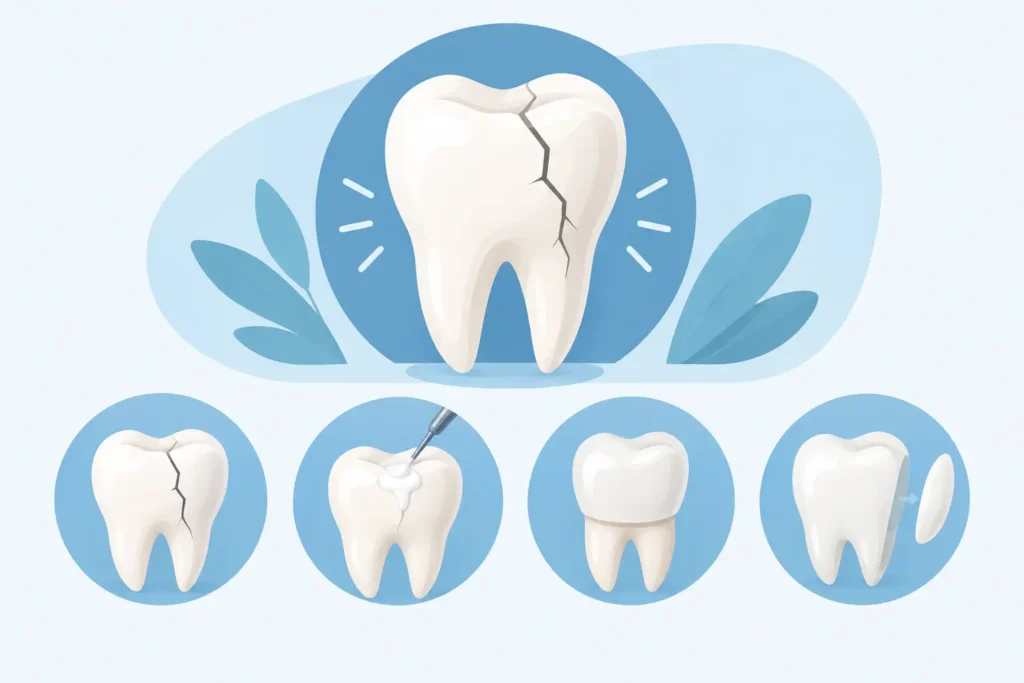
A cracked tooth during lunch, a crown that comes loose before a meeting, or pain that keeps you awake at 2 a.m. can make one question feel urgent: how quickly can you get an emergency dentist appointment? In many cases, a local dental office can arrange a same-day visit, especially when you call early and clearly explain your symptoms. The exact timing depends on the problem, the office schedule, and whether you need immediate treatment or an evaluation first.
For patients in Quincy and across the South Shore, the most helpful step is to call a dental office as soon as you recognize that something is wrong. Dental pain and injuries rarely improve by being ignored, and early care can often prevent a more involved, more expensive problem later.
How Quickly Can You Get an Emergency Dentist Appointment?
Many dental emergencies can be seen the same day. Some offices reserve time in their schedule for urgent needs, while others may fit patients in between planned appointments when the situation calls for it. If you contact the office in the morning, you are generally more likely to have a choice of appointment times than if you wait until late afternoon.
That said, “same-day emergency appointment” does not always mean every part of treatment will be completed that day. A dentist may first need to examine the tooth, take X-rays, control pain, treat an active infection, or place a temporary restoration. If a crown, root canal, extraction, or more complex repair is needed, the next treatment step may be scheduled promptly after your initial visit.
The priority is to get you out of pain, identify the cause, and protect your oral health. A prompt exam also gives you clear answers instead of leaving you to guess whether a toothache, swelling, or damaged filling can wait.
What Affects Emergency Appointment Timing?
The urgency of your symptoms is the biggest factor. Severe pain, facial swelling, a knocked-out tooth, uncontrolled bleeding, or a broken tooth with sharp edges should be reported right away. The front desk team needs an accurate description so they can help determine how quickly you should be seen.
Availability matters, too. A practice that provides emergency care may have openings that change throughout the day because of cancellations, dedicated urgent-care slots, or flexible scheduling. Calling is usually faster than waiting to see whether a problem settles down on its own.
Your treatment needs can also affect timing. A lost filling may be manageable with a quick repair, while a painful tooth with signs of infection may require a longer appointment and follow-up care. An office will make every effort to address the immediate concern, but the safest plan is based on what the dentist finds during the exam.
Insurance should not keep you from calling. Ask whether the practice accepts your plan and what information to bring, but do not delay urgent care while trying to sort out every coverage detail. Most offices can explain payment options and insurance steps once they understand what treatment you need.
When to Call for Same-Day Dental Care
You do not need to wait until pain becomes unbearable to contact a dentist. Call promptly if you have a persistent toothache, sensitivity that lingers after hot or cold foods, a chipped or broken tooth, a loose crown, a lost filling, gum swelling, or pain when biting. These symptoms can point to an issue that becomes harder to treat if it is left alone.
Certain situations deserve more immediate attention. Contact a dentist right away for a tooth that has been knocked out, a tooth that is loose after an injury, noticeable swelling in the gums or face, severe pain, or bleeding that does not stop with gentle pressure.
If swelling affects your breathing or swallowing, if you have significant facial trauma, or if bleeding is heavy and will not stop, seek emergency medical care immediately. A dental office can treat many urgent oral health problems, but those symptoms may require hospital-level care first.
What to Say When You Call the Dental Office
A short, clear description helps the team schedule you appropriately. Explain when the pain or injury started, where it hurts, whether there is swelling or bleeding, and whether a tooth, filling, crown, or denture has broken or come loose. Mention fever, a bad taste in your mouth, recent dental work, or a fall or sports injury.
If you are calling for a child, let the office know the child’s age and symptoms. Parents should also mention whether the injured tooth is a baby tooth or a permanent tooth, if they know. That information can affect the guidance you receive before the appointment.
Have your insurance card available if possible, along with a list of medications and any relevant health conditions. Still, the call should stay focused on getting care. The office can help with the administrative details after confirming the best time for you to come in.
What to Do While You Wait
A few practical steps can reduce discomfort and protect the area until you are seen. Rinse your mouth gently with warm water and use a cold compress on the outside of your cheek for swelling. If a tooth is chipped, save any pieces you can find and bring them with you.
For a knocked-out permanent tooth, handle it by the crown, not the root. If it is dirty, rinse it briefly with water without scrubbing. If possible, place it back in the socket gently. If that is not possible, keep it moist in milk or in your mouth next to your cheek if you can do so safely. Time matters with a knocked-out tooth, so call immediately.
Over-the-counter pain medication may help if it is safe for you to take based on the label and your medical history. Do not place aspirin directly on a tooth or gums, and do not use glue to reattach a crown, tooth, or denture. These home fixes can irritate tissue or make professional treatment more difficult.
Avoid chewing on the painful side of your mouth. Stick to softer foods, avoid very hot or cold drinks if they trigger pain, and keep the area as clean as you comfortably can. If a crown has come off, save it and bring it to the appointment rather than trying to force it back into place.
Same-Day Care Is About More Than Pain Relief
Emergency dentistry is not only for dramatic accidents. It is also a practical way to protect a tooth before damage progresses. A small crack can deepen, a lost filling can expose sensitive tooth structure, and an untreated infection can spread. Getting examined quickly gives the dentist the chance to choose the most conservative effective treatment.
At Quincy High Care Dentistry, emergency visits are approached with the same personalized attention as routine care. The goal is to listen, diagnose the issue carefully, explain your options in plain language, and help you move forward without unnecessary delays or surprises.
Dental emergencies are stressful, but you do not have to decide on your own whether a problem is serious enough to call. If pain, damage, swelling, or a sudden change in your mouth is worrying you, contact a dental office promptly. A timely conversation can be the first step toward relief and a healthier smile.