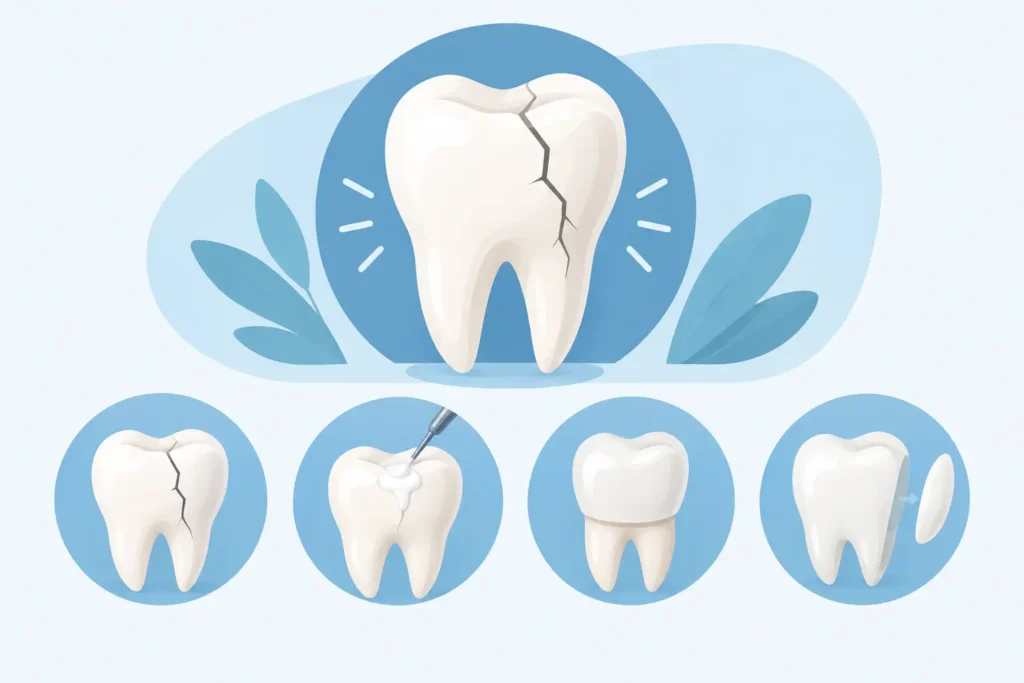
A dental cleaning can feel like one more appointment to fit around work, school, and family life. But staying on schedule is usually simpler, more comfortable, and more affordable than waiting until a small concern turns into tooth pain, gum bleeding, or an urgent visit. So, how often should you get a dental cleaning? For many people, the answer is every six months. Your best schedule, however, should reflect the current health of your teeth and gums.
At a routine visit, your dental team does more than polish your smile. Professional cleanings remove hardened plaque buildup, called tartar, that brushing and flossing cannot remove at home. They also give your dentist a chance to look for early changes in your gums, teeth, fillings, crowns, and bite before they become more involved problems.
How Often Should You Get a Dental Cleaning?
For adults and children with healthy teeth and gums, a cleaning and exam every six months is a reliable standard. This schedule gives your dentist two opportunities each year to monitor your oral health, remove tartar, and address small issues while treatment is often more straightforward.
The six-month schedule is not a rule that fits every patient exactly. Some people can safely follow it for years. Others benefit from visits every three or four months because their gums need closer support. Your dentist will recommend an interval based on clinical findings, not simply a one-size-fits-all calendar reminder.
Regular care also has a practical benefit. When dental problems are found early, treatment may be limited to preventive care or a small filling rather than a root canal, crown, or emergency appointment. That can mean less time in the chair and fewer unexpected costs.
Why Professional Cleanings Matter Between Appointments
Even excellent brushing does not reach every tight space between teeth or below the gumline. Plaque is a sticky film of bacteria that forms throughout the day. If it is not removed thoroughly, it can harden into tartar. Tartar cannot be brushed away at home and can irritate the gums, leading to redness, swelling, bleeding, and eventually gum disease.
During a cleaning, a hygienist carefully removes plaque and tartar from areas that are easy to miss. The visit may also include polishing, flossing, fluoride recommendations when appropriate, and personalized guidance on brushing technique, flossing, or other tools that may help you care for your smile at home.
Your exam matters just as much. Cavities, cracked teeth, worn fillings, gum disease, and oral infections do not always hurt at first. A dentist can identify warning signs before they interrupt your normal routine. For parents, regular visits also help children become comfortable with dental care early, which can make future appointments much easier.
When You May Need Cleanings More Often
Some patients need periodontal maintenance or more frequent cleanings, often every three to four months. This does not mean you have failed at home care. Gum disease and plaque buildup can be influenced by health history, medications, anatomy, and other factors beyond brushing habits.
Your dentist may recommend a shorter interval if you have had gum disease, deep gum pockets, frequent tartar buildup, or bleeding gums. Patients who smoke or use tobacco, have diabetes, are pregnant, or have a weakened immune system may also need closer monitoring. Dry mouth can raise cavity risk because saliva helps protect teeth, and certain medications can make dry mouth more likely.
Other situations deserve individual attention. If you have dental implants, bridges, crowns, dentures, or orthodontic appliances, regular professional care helps protect the surrounding teeth and gums. Restorative dental work can last longer when the supporting teeth and gum tissue stay healthy.
A more frequent schedule is not intended to sell unnecessary care. It is a preventive plan based on your risk level. As your gum health improves or your circumstances change, your recommended interval may change too.
Gum Disease Changes the Cleaning Plan
A standard cleaning is designed for a patient whose gums are generally healthy. If gum disease is present, bacteria and tartar may collect below the gumline, where they can damage the tissue and bone that hold teeth in place.
In that case, your dentist may recommend periodontal treatment followed by maintenance cleanings. These visits are focused on managing gum health and checking for signs that disease is returning. Keeping these appointments is one of the best ways to protect your natural teeth over time.
Signs You Should Not Wait for Your Next Cleaning
Routine care should not replace an appointment when something feels wrong. Call your dental office sooner if you notice persistent tooth pain, sensitivity that is getting worse, swelling, a loose tooth, a broken tooth, or a lost filling or crown. These problems may need treatment before your next planned cleaning.
Bleeding gums deserve attention, too. A small amount of bleeding after flossing can happen when gums are irritated, especially if you are restarting a flossing routine. But ongoing bleeding, bad breath that does not improve, gum recession, or swollen gums can be signs of gum disease.
If you have facial swelling, severe pain, fever, or trouble swallowing or breathing, seek urgent medical attention. Dental infections can become serious, and prompt care matters. A same-day dental evaluation may help address pain or infection before it worsens.
What Happens at a Routine Dental Cleaning?
A typical preventive visit is usually efficient and comfortable. Your hygienist will review any concerns, clean plaque and tartar from your teeth, and polish the surfaces. Your dentist then evaluates your teeth, gums, existing dental work, and any areas that need attention. X-rays may be recommended based on your age, dental history, symptoms, and risk for cavities or bone loss.
If it has been a while since your last appointment, do not let that keep you from scheduling. The first visit may require more time, and your gums may be tender if there is significant buildup, but the dental team’s job is to help, not judge. Be open about dental anxiety, past experiences, medications, and any changes in your health. That information helps your care feel more personal and predictable.
How to Make Your Cleaning Schedule Easier to Keep
The best appointment schedule is the one you can maintain. Many patients find it helpful to book their next cleaning before leaving the office, ideally at a time of day that works well with work, school, or family responsibilities. If you have dental insurance, preventive cleanings are often covered at regular intervals, though coverage varies by plan.
Between visits, brush twice a day with fluoride toothpaste and clean between your teeth daily with floss, interdental brushes, or another tool recommended by your dentist. These habits do not replace professional cleanings, but they help reduce plaque buildup and support healthier gums.
For patients in Quincy and the South Shore, finding a dependable neighborhood dentist can make routine care easier to prioritize. Quincy High Care Dentistry provides personalized preventive care with the straightforward guidance families need to plan ahead.
A dental cleaning every six months is a strong starting point, but your own smile may need a different rhythm. Ask your dentist what schedule fits your gums, health history, and goals, then give that appointment the same priority you would give any other part of staying well.