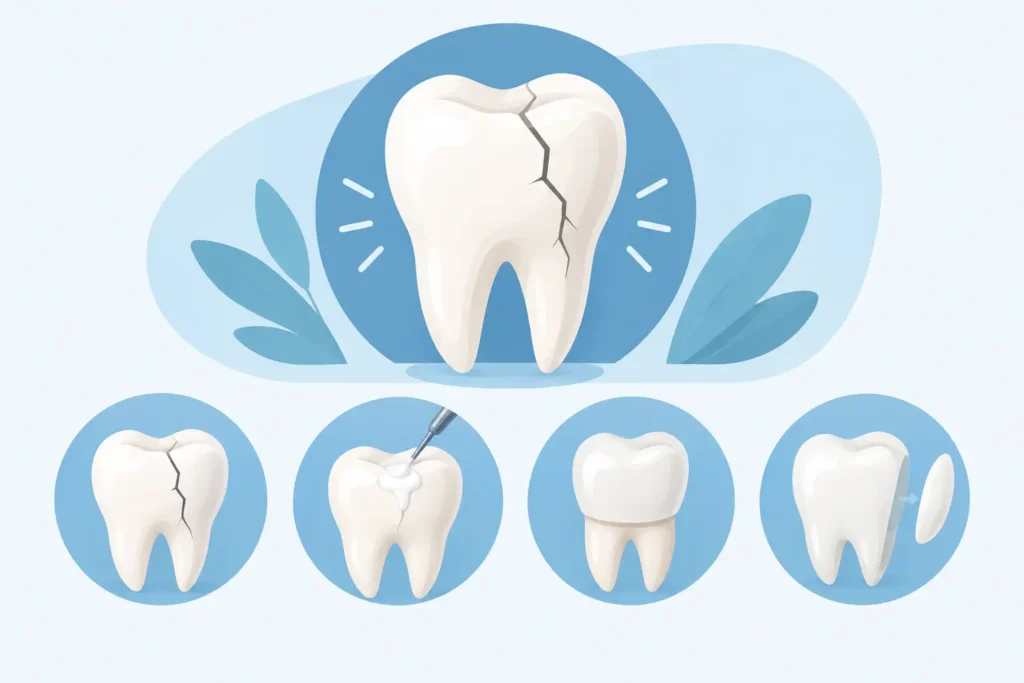
A cracked tooth at 11 p.m., a child with a swollen cheek, or pain that will not let you sleep can make one question feel urgent: are emergency dentists open 24 hours? The honest answer is that it depends. Some dental offices offer around-the-clock phone support or on-call guidance, while many provide same-day emergency appointments during regular or extended office hours. A hospital emergency room is available overnight, but it usually cannot provide definitive dental treatment.
Knowing where to turn can save time, reduce discomfort, and help protect your tooth. The goal is not always to find a dentist in the chair at 2 a.m. It is to get the right level of care safely, then arrange prompt dental treatment as soon as possible.
Are emergency dentists open 24 hours?
A true 24-hour dental office keeps clinical staff available to see patients at any hour. These offices exist in some larger cities, but they are less common than people expect. More often, an emergency dental practice offers one or more of the following: same-day appointments, early morning or evening availability, Saturday hours, an after-hours voicemail with instructions, or an on-call dentist who can advise established patients.
That difference matters. “Emergency dentist” does not automatically mean a walk-in office is open all night. Before leaving home, call the office number and listen carefully to the recorded message. It may explain whether a provider is available, where to go for urgent care, or how to request the next available appointment.
For patients in Quincy and the South Shore, a local practice that reserves time for same-day emergencies can often be the most practical option. Quincy High Care Dentistry provides emergency dental care designed to address urgent needs promptly when the office is available, with the personalized attention patients need when they are in pain.
When dental pain can wait until morning
Not every dental problem requires overnight care, even when it feels alarming. A mild toothache, a small chip without pain, a loose filling, or a crown that comes off may often be managed temporarily until a dentist can see you. That does not mean you should ignore the issue. Early treatment can prevent a simple repair from becoming a larger and more expensive problem.
If pain is manageable and there is no significant swelling, fever, bleeding, or injury to the face or jaw, contact a dental office when it opens and ask for a same-day emergency visit. Be direct about your symptoms. Let the team know whether pain is constant, whether you can bite down, and whether hot or cold temperatures trigger it. Those details help the office prioritize your appointment.
A lost crown or filling can leave a tooth sensitive and vulnerable. Keep the restoration if you can find it, avoid chewing on that side, and use dental wax or temporary dental cement only as directed on the product label. Do not use household glue. It is not safe for the mouth and can make professional repair more difficult.
When to seek urgent medical help instead
Some dental emergencies affect more than a tooth. Go to an emergency room or call 911 if you have trouble breathing or swallowing, uncontrolled bleeding, severe facial trauma, confusion, or swelling that is spreading rapidly into the face, neck, or around an eye. These symptoms can signal a serious medical emergency.
A fever with facial swelling, worsening pain, or drainage from the gums may point to an infection that needs urgent evaluation. An ER can assess serious infection, manage severe symptoms, and provide treatment when necessary. However, an ER generally does not perform root canals, replace crowns, or extract a tooth. You will still need follow-up with a dentist to treat the source of the problem.
Parents should take dental injuries seriously, especially after a fall, sports accident, or blow to the face. If a permanent tooth is knocked out, time is critical. Handle the tooth by the crown, not the root. If it is dirty, gently rinse it with milk or clean water without scrubbing. If possible, place it back in the socket and have the person gently bite on gauze. If that is not possible, store it in milk or saliva and seek dental care immediately.
What to do while you wait for an emergency appointment
The right temporary step depends on the problem, but a few measures are usually sensible. Rinse gently with warm salt water to clear debris and soothe irritated tissue. Apply a cold compress to the outside of the cheek for swelling or pain after an injury. Choose soft foods and avoid chewing on the affected side.
For discomfort, many adults can use over-the-counter pain medicine as directed on the label, unless a doctor has told them not to take it. Aspirin should not be placed directly on a tooth or gum tissue. It can burn the tissue and will not fix the cause of the pain.
If a tooth is chipped or broken, save any pieces you find. If braces, a denture, or another appliance is causing a sharp spot, dental wax may offer short-term protection. Avoid trying to cut wires, force a loose tooth into place, or drain a swollen area yourself. Those actions can worsen the injury or infection.
How an emergency dentist helps
An emergency appointment begins with identifying the source of the problem, not simply masking the pain. The dentist may examine the tooth, gums, bite, and surrounding tissues, and may take X-rays when needed. From there, treatment can range from smoothing a sharp edge or placing a filling to re-cementing a crown, draining an infection, beginning root canal treatment, or removing a tooth that cannot be saved.
Sometimes the safest plan is to stabilize the problem first and complete treatment at a follow-up visit. For example, a painful infected tooth may need immediate relief and medication when clinically appropriate, followed by a root canal or extraction. A broken crown may need a temporary restoration before a new crown is made. That is not a delay in care. It is often the most responsible way to protect your health and preserve treatment options.
Cost and insurance are understandable concerns during an emergency. Ask the office whether it accepts your plan, what the emergency exam may include, and whether payment options are available. Most dental teams can explain expected next steps before proceeding, although the full cost may depend on what the examination reveals.
How to find the right emergency dental office
When you call, ask whether the office can see you today and whether it treats your specific concern. A practice that handles emergency exams may have different capabilities than one that can also provide root canal treatment, extractions, crowns, or pediatric care.
It also helps to ask what to bring. Have your insurance card, a list of medications, and the name of any doctor managing a medical condition. If you have dental X-rays from another office, they may be useful, but do not postpone urgent care just to locate records.
If the office cannot see you immediately, ask for practical guidance: whether your symptoms require an ER visit, how to protect the tooth overnight, and the earliest appointment available. Clear instructions from a trusted dental team can make a painful situation feel far more manageable.
Dental emergencies are stressful because they rarely happen at a convenient time. Focus on the symptoms in front of you, seek emergency medical care for serious swelling or breathing concerns, and contact a dentist promptly for treatment that addresses the cause. Quick, calm action gives you the best chance of getting comfortable and keeping your smile healthy.