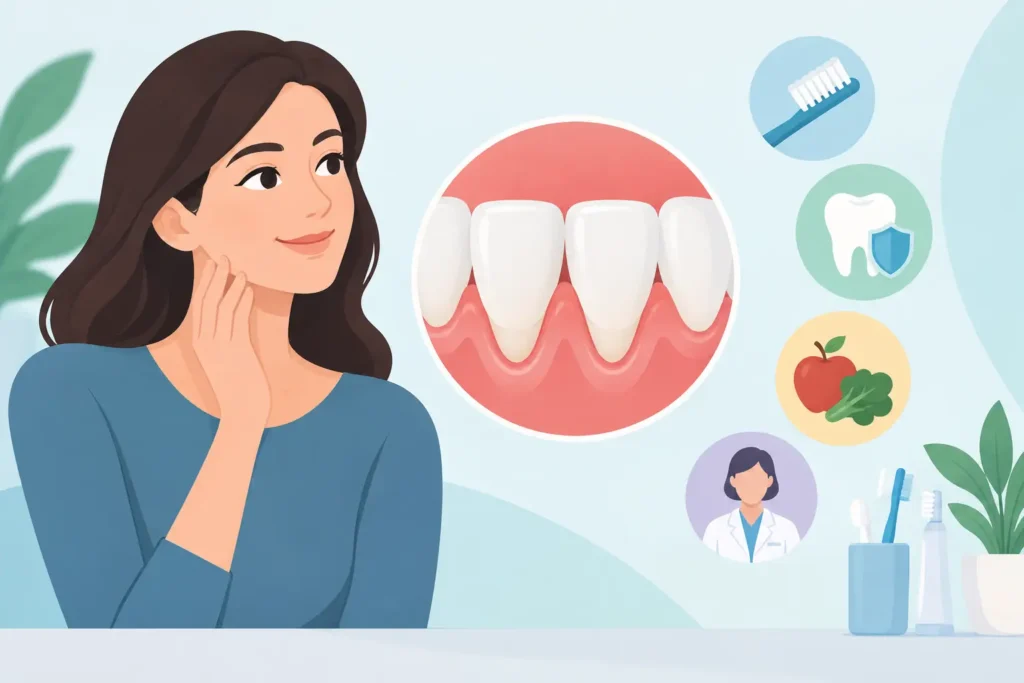
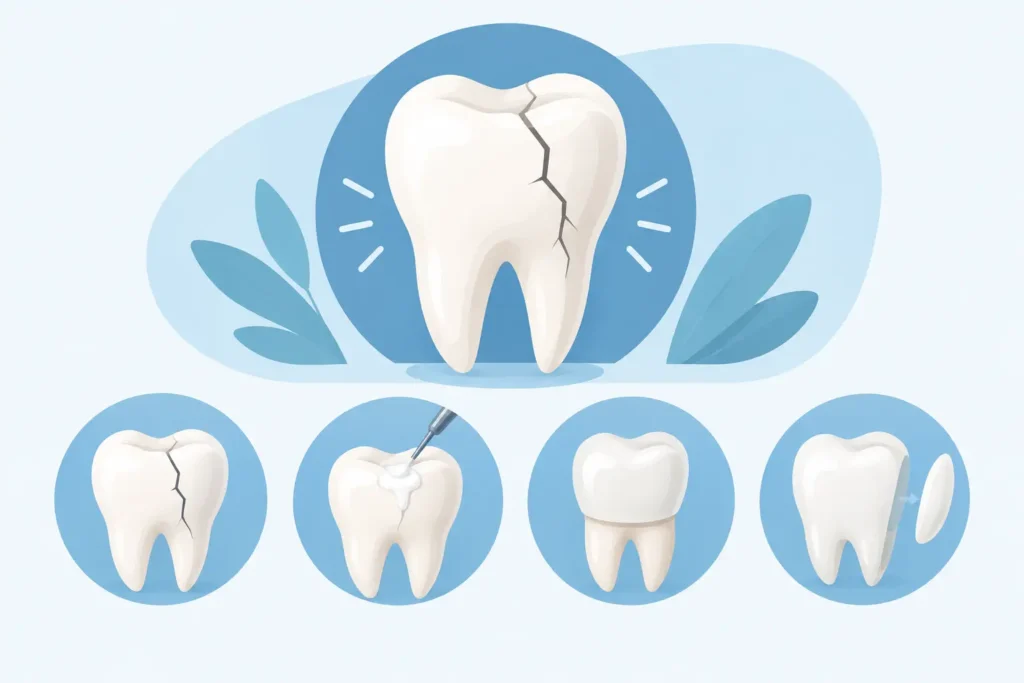
A child’s first dental visit is often easier than parents expect. The biggest hurdle is usually not the exam itself – it is the uncertainty beforehand. This guide to pediatric dental visits gives parents a clear picture of when to bring a child in, what happens during the appointment, and how small habits at home can make future care feel routine rather than stressful.
When should your child first see a dentist?
Most children should have their first dental visit by their first birthday or within six months of the first tooth coming in. That may sound early, especially when there are only one or two tiny teeth to examine. But early visits are less about treatment and more about prevention, guidance, and helping your child become comfortable in a dental setting.
A dentist can look for early signs of tooth decay, check how the gums and jaws are developing, and talk with you about brushing, fluoride, feeding habits, and thumb sucking or pacifier use. Early advice can prevent problems that are much harder to manage once a child is in pain.
If your child is older and has never been to the dentist, there is no need to feel behind. Schedule the visit now. A caring dental team will meet your child where they are and focus on building comfort from the start.
What happens at a pediatric dental visit?
A child’s appointment is adjusted to their age, development, and comfort level. A toddler who is seeing the dentist for the first time will not have the same visit as an eight-year-old coming in for a routine cleaning. The goal is to give every child appropriate care without rushing or overwhelming them.
For a young child, the visit may begin with a parent nearby while the dentist counts teeth, checks the gums, and takes a quick look at how the bite is developing. The team may demonstrate brushing techniques, discuss diet, and answer questions about habits such as bottle use, pacifiers, or thumb sucking.
As children grow, preventive visits generally include a cleaning, an exam, and, when clinically appropriate, X-rays. X-rays help dentists see areas between teeth and below the gumline that cannot be evaluated with an exam alone. They are not needed at every visit, and the timing depends on your child’s cavity risk, age, and dental development.
Your dentist may also recommend fluoride treatment or dental sealants. Fluoride helps strengthen enamel, while sealants protect the chewing surfaces of back teeth where food and bacteria can collect in deep grooves. These preventive options can be especially helpful for children who are prone to cavities or still learning consistent brushing.
How to prepare for the first appointment
The best preparation is calm, simple, and honest. Tell your child that the dentist will count their teeth, look at their smile, and help keep their mouth healthy. Avoid promising that nothing will happen or using words that can sound scary, such as “shot,” “drill,” or “pain.” If a treatment is needed, the dental team can explain it in child-friendly language.
Choose an appointment time that works with your child’s routine. For many younger children, a morning appointment is easier because they are rested and less likely to be hungry or overstimulated. For school-aged children, the right time depends on their schedule and personality. Some do well before school, while others are more relaxed later in the day.
Bring any relevant health information, including medications, allergies, past medical conditions, and dental insurance details. If your child has had a difficult medical experience, sensory sensitivities, or significant anxiety, mention it before the visit. That information helps the dental team make practical adjustments and communicate in a way that supports your child.
It can help to read a positive children’s book about a dental visit or play pretend dentist at home. Keep the role-play light. Let your child practice opening wide while you count their teeth, then let them be the dentist and count yours.
A parent’s role during the visit
Children often take cues from the adults around them. A relaxed parent can make a real difference, even when a child is shy, tearful, or unsure. Stay positive and let the dental team lead the conversation when possible. Pediatric dental professionals are used to explaining each step in age-appropriate terms and celebrating small wins.
Some children sit independently from the beginning. Others need a parent close by, particularly during early visits. Neither response is unusual. Trust develops over time, and a successful appointment does not always mean a child sits perfectly still or loves every part of the process.
If your child cries, do not assume the visit has failed. Young children may cry because the room is unfamiliar, they are tired, or they do not like being asked to hold still. The dental team can pause, use reassurance, and decide what is reasonable to accomplish that day. Consistent, low-pressure visits usually build confidence better than waiting until a problem becomes urgent.
Keeping baby teeth healthy between appointments
Baby teeth matter. They help children chew and speak clearly, support facial development, and hold space for permanent teeth. A cavity in a baby tooth can still cause pain, infection, missed school, and difficulty eating if it goes untreated.
Begin cleaning gums with a soft, clean cloth before teeth erupt. Once the first tooth appears, use a soft-bristled toothbrush and a rice-grain-sized smear of fluoride toothpaste. From age three through six, use a pea-sized amount and help your child brush twice daily. Children need hands-on help longer than many parents realize. Most do not have the coordination to brush thoroughly on their own until around age six to eight.
Water is the best everyday drink between meals. Frequent sipping on juice, sports drinks, soda, sweetened milk, or other sugary beverages keeps teeth exposed to sugar for longer periods. Even natural fruit juice can contribute to decay when used often or served in a bottle or sippy cup throughout the day.
Snacking habits matter too. It is not only the amount of sugar that affects teeth, but also how often teeth are exposed to it. A treat with a meal is generally easier on teeth than repeated grazing on sticky or sweet snacks. After brushing at bedtime, water is the best choice.
When to call the dentist sooner
Routine visits are the foundation of children’s dental care, but do not wait for the next checkup if your child has a toothache, facial swelling, bleeding that does not stop, a cracked or knocked-out tooth, or a bump or sore that does not improve. Dental infections and injuries need timely attention.
Call promptly if a child is avoiding food, waking at night with mouth pain, or suddenly complaining that a tooth hurts with hot, cold, or sweet foods. Children do not always describe dental pain clearly. Changes in sleep, eating, mood, or willingness to brush can be useful clues.
For a permanent tooth that has been knocked out, time matters. Handle the tooth by the crown rather than the root, gently rinse it if dirty, and contact a dentist right away. If it can be safely placed back in the socket, do so; otherwise, keep it moist in milk or saliva while seeking urgent care. A baby tooth should not be replanted.
Questions parents commonly ask
Are dental X-rays safe for children?
Dental X-rays use a low amount of radiation, and modern digital imaging further reduces exposure. Dentists recommend them only when the information will help guide care. For some children, that may be early because of cavity risk or tight spaces between teeth. For others, it may be less frequent.
What if my child is very anxious?
Tell the office before the appointment. A patient-centered practice can allow extra time, explain what to expect, and use a gradual approach. It may take more than one visit for a nervous child to feel comfortable, and that is okay. The right pace depends on the child, the treatment needed, and whether there is pain or infection that requires prompt care.
Does every child need sealants?
Not always. Sealants are often recommended for permanent molars because those teeth have deep chewing grooves and can be difficult for children to clean well. Your dentist will consider your child’s cavity history, brushing ability, diet, and tooth anatomy before making a recommendation.
A good dental home gives your child a familiar place to return for cleanings, questions, and unexpected problems. At Quincy High Care Dentistry, families can expect straightforward guidance, personalized care, and a team focused on helping children build healthy habits one visit at a time.