A throbbing toothache that keeps you awake, swelling near a tooth, or a bad taste that suddenly appears in your mouth can point to a dental abscess. Dental abscess treatment examples can help explain what a dentist may recommend, but the central message is simple: an abscess needs prompt professional care. The pain may fade if the pressure releases, yet the infection can remain and continue causing damage.
A dental abscess is a pocket of pus caused by a bacterial infection. It can develop at the tip of a tooth root, called a periapical abscess, or in the gums around a tooth, called a periodontal abscess. Both need evaluation. The right treatment depends on where the infection began, how far it has spread, and whether the tooth can be saved.
Why a Dental Abscess Should Not Wait
An abscess does not usually heal on its own. Without treatment, infection can destroy bone around the tooth, spread into nearby tissue, or create more serious health concerns. A small gum bump or manageable ache can become a more urgent problem quickly.
Call a dentist as soon as possible if you have persistent tooth pain, facial or gum swelling, pain when biting, fever, or drainage with a foul taste. Seek emergency medical care immediately if swelling affects your eye, jaw, neck, breathing, swallowing, or ability to open your mouth. Those symptoms can signal a spreading infection that requires urgent attention.
Until you are seen, gently rinse with warm salt water and keep the area clean. Over-the-counter pain relievers may help when used as directed and when medically appropriate for you. Do not place aspirin on the gum or tooth, and do not try to pop or drain the swelling yourself. Those steps can burn tissue, worsen irritation, or delay the care that actually resolves the infection.
Dental Abscess Treatment Examples
A dentist will begin with an examination and may take X-rays to locate the source of infection and assess the tooth, root, and surrounding bone. Treatment is not one-size-fits-all. The goal is to remove the source of bacteria, allow drainage when needed, relieve pain, and protect your overall health.
Example 1: Draining a Localized Gum Abscess
If an abscess is confined to a small area of the gum, the dentist may numb the area and make a small opening to drain the pus. Drainage reduces pressure and can bring meaningful relief, but it is usually only part of treatment. The dentist still needs to determine why the infection started.
For example, a periodontal abscess may develop when bacteria and debris become trapped in a deep gum pocket. After drainage, treatment may include deep cleaning below the gumline and follow-up periodontal care. If the tooth is loose or the supporting bone has been significantly affected, the long-term plan may be different. Saving the tooth is often preferred, but it depends on its condition.
Example 2: Root Canal Treatment for an Infected Tooth
When decay, a crack, or an old restoration allows bacteria to reach the pulp inside a tooth, infection can travel through the root and create an abscess near the jawbone. In many cases, root canal treatment is the best way to save that tooth.
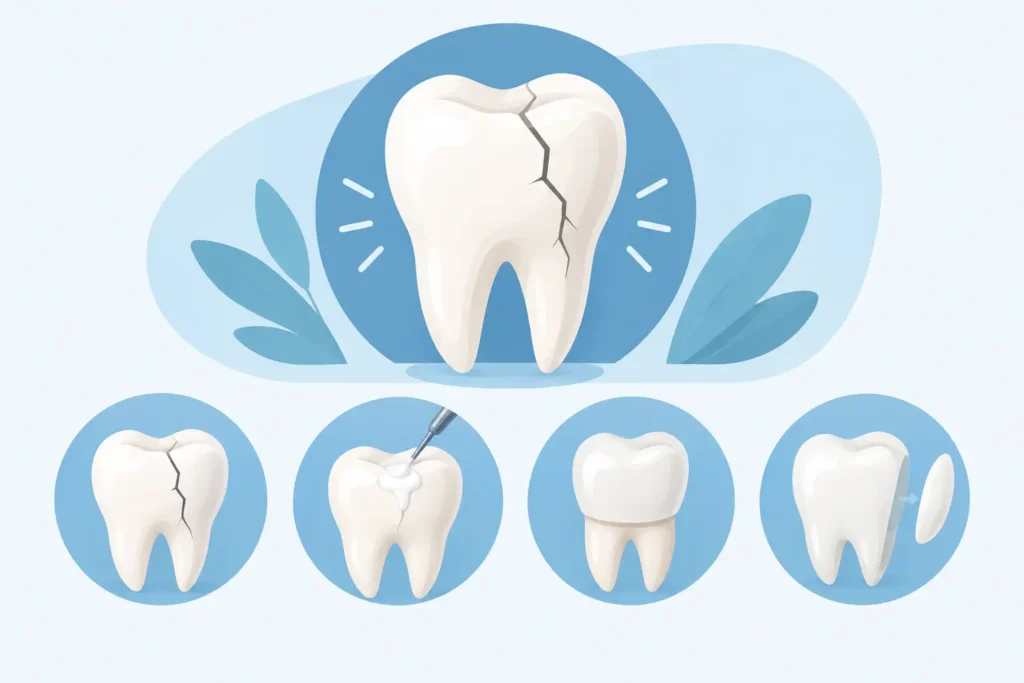
During treatment, the dentist removes infected pulp tissue, cleans and disinfects the root canals, and seals the space to prevent reinfection. A crown is frequently recommended afterward, especially for a back tooth, because a tooth that has needed root canal treatment can be more prone to fracture.
Consider a patient with severe pain on chewing and a visible dark area on an X-ray near the root tip. If enough healthy tooth structure remains, root canal treatment followed by a crown can remove the infection while preserving the natural tooth. This option generally takes more time and expense than a simple extraction, but keeping a sound natural tooth can be valuable for bite function and long-term oral health.
Example 3: Extraction When a Tooth Cannot Be Saved
Extraction may be recommended when a tooth is badly broken, extensively decayed below the gumline, severely loose from gum disease, or has too little healthy structure for a predictable restoration. Removing the tooth eliminates the source of infection and allows the area to heal.
For instance, if a molar has a deep crack extending into the root and recurrent infection, root canal treatment may not offer a reliable outcome. Extraction can be the safer, more practical choice. After healing, the dentist can discuss replacement options such as a dental implant, bridge, or partial denture. Replacement matters because a missing tooth can affect chewing and allow neighboring teeth to shift, though the best timing and option depend on your health, bone level, budget, and goals.
Example 4: Antibiotics Alongside Dental Treatment
Antibiotics can be useful when infection has spread, swelling is diffuse, fever is present, or a patient has certain medical risks. They are not a substitute for treating the source of the abscess. An antibiotic may temporarily reduce symptoms, but bacteria can return if the infected pulp, damaged tooth, or gum pocket remains in place.
A patient with facial swelling from an infected tooth may need antibiotics in addition to prompt drainage, root canal treatment, or extraction. The dentist will choose medication based on the situation, medical history, allergies, and current medications. Take antibiotics exactly as prescribed, and call the dental office if you develop a rash, severe stomach symptoms, or signs of an allergic reaction.
What the Appointment May Feel Like
Many people delay care because they are worried that treatment will hurt. In reality, abscess treatment is designed to stop pain, not add to it. Local anesthetic is used to keep you comfortable, and a caring dental team can explain each step before it happens.
Because inflamed tissue can sometimes be harder to numb, your dentist may use additional techniques or schedule follow-up care after the immediate infection is controlled. That does not mean treatment has failed. It means the plan is being adjusted for your comfort and the safest outcome.
If you are anxious, say so early in the visit. Sharing concerns about past experiences, medications, allergies, pregnancy, or health conditions helps the dental team plan responsibly. Bring your insurance information as well, so the office can help you understand benefits and expected costs before longer-term restorative work begins.
Aftercare and Preventing Another Abscess
Follow the instructions provided for your specific treatment. Mild soreness after drainage, root canal treatment, or extraction can be normal, but worsening pain, new swelling, fever, or trouble swallowing should be reported promptly. Keep follow-up appointments even if you feel better. They allow the dentist to confirm healing and complete any needed restoration.
Preventing future infections often comes down to addressing small problems before they become urgent. Regular exams can find cavities, cracked fillings, gum disease, and worn restorations early. Daily brushing with fluoride toothpaste, cleaning between teeth, and limiting frequent sugary drinks and snacks also reduce the bacterial conditions that lead to decay.
A dental abscess can feel alarming, especially when pain arrives suddenly. Fast, straightforward care gives you the best chance to relieve discomfort and protect your smile. If you are in Quincy or the South Shore and suspect an abscess, Quincy High Care Dentistry is here to help you get a clear diagnosis and a practical treatment plan without unnecessary delay.