A missing tooth can affect more than your appearance. It can change how you chew, make speech feel less natural, and allow nearby teeth to shift over time. The best ways to replace teeth depend on how many teeth are missing, where the gap is, the condition of your gums and jawbone, and what works realistically for your budget and schedule.
There is no single right answer for every patient. A front tooth, for example, may call for a different solution than several missing back teeth. A careful dental exam helps identify the option that protects your bite, supports your long-term oral health, and feels comfortable in daily life.
5 Best Ways to Replace Teeth
1. A dental implant for one missing tooth
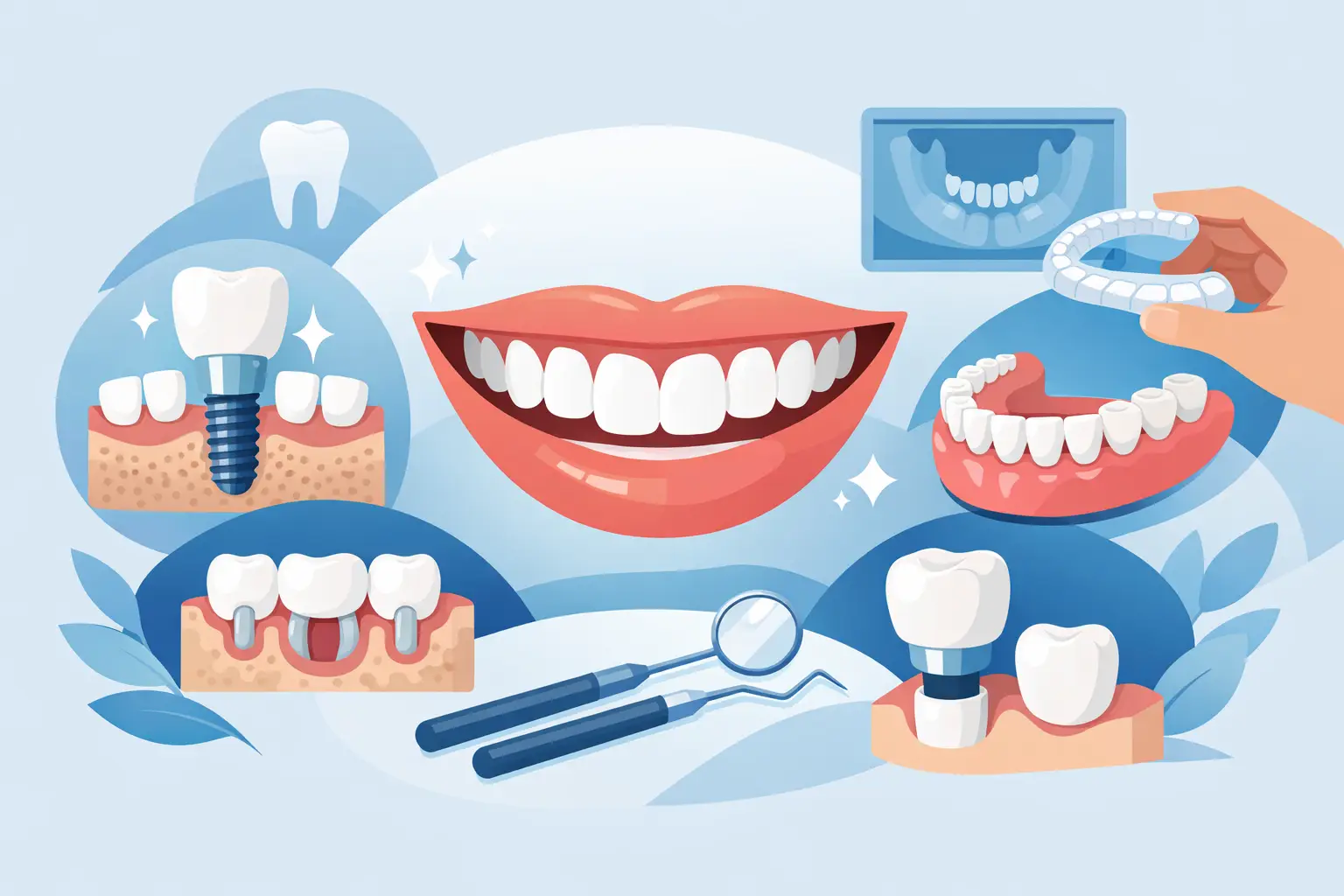
A dental implant is often the closest replacement to a natural tooth. It uses a small titanium post placed in the jawbone to act as a tooth root. After the area heals, a custom crown is attached to the implant.
Because the implant stands on its own, it does not require reshaping the teeth beside the gap. It also helps stimulate the jawbone in the area where the tooth was lost, which can reduce bone loss over time. Many patients appreciate that an implant is fixed in place, so it does not come out for cleaning and generally feels secure when eating and speaking.
The trade-off is time and cost. Implant treatment usually involves a healing period before the final crown is placed, although the timeline varies by patient. You also need enough healthy bone and gum tissue to support the implant. If bone loss has occurred, additional treatment may be recommended before implant placement.
2. A dental bridge to fill a gap
A dental bridge replaces one or more missing teeth by connecting an artificial tooth to crowns placed on the teeth next to the space. It is a fixed restoration, meaning you do not remove it at night. For many patients, a bridge is a practical way to restore chewing function and close a visible gap without implant surgery.
A traditional bridge can be an especially sensible choice when the neighboring teeth already need crowns because of large fillings, cracks, or wear. It can usually be completed more quickly than an implant, making it helpful when restoring the space promptly is a priority.
The main consideration is that the supporting teeth must be prepared for crowns, even if they are otherwise healthy. Bridges also require careful cleaning underneath the replacement tooth to keep the gums healthy. With good home care and regular dental visits, a well-made bridge can provide dependable service for years.
3. A removable partial denture for several missing teeth
A removable partial denture replaces multiple missing teeth while using your remaining natural teeth for support. It may have a lightweight metal or acrylic base with replacement teeth designed to blend with your smile. Partial dentures can be a practical option when missing teeth occur in different areas of the mouth or when implants and bridges are not the best fit.
This treatment is generally more affordable than replacing every missing tooth with an implant. It is also removable, which makes it easier to clean thoroughly. For patients who have lost several teeth but still have healthy remaining teeth, a partial denture can restore function and help prevent the remaining teeth from drifting.
It does take an adjustment period. A partial denture may initially feel bulky, and it needs to be removed and cleaned daily. Your dentist can make adjustments as needed to improve comfort and fit.
4. A complete denture when all teeth are missing
Complete dentures replace all the teeth in the upper arch, lower arch, or both. Modern dentures are carefully designed to support facial appearance, improve speech, and help patients return to eating a wider range of foods. They remain a valuable and accessible treatment for people who are missing all their teeth.
Conventional full dentures rest on the gums and are removable. They can be a good choice for patients who want a non-surgical solution or need to keep treatment costs manageable. A properly fitted denture should feel comfortable, but the jawbone naturally changes shape after teeth are lost. Relines or adjustments may be needed over time to maintain a secure fit.
Lower dentures can be more challenging to stabilize because the lower jaw has less surface area for support. If movement is a persistent concern, implant-supported treatment may be worth discussing.
5. Implant-supported dentures for added stability
Implant-supported dentures combine the broader replacement of a denture with the stability of dental implants. A small number of implants are placed in the jaw, and the denture attaches to them. Some versions are removable for cleaning, while others are fixed in place and removed only by a dental professional.
This option can make a meaningful difference for patients whose traditional dentures slip, rub, or limit what they can eat. The implants help hold the denture in position and can reduce pressure on the gums. They also provide stimulation to the jawbone, which may help preserve bone better than a conventional denture alone.
Implant-supported dentures involve surgery, healing time, and a higher initial investment. Still, many patients find the added confidence and comfort worthwhile, particularly when they have struggled with loose lower dentures.
How to Choose the Right Tooth Replacement Option
The best choice starts with your specific clinical needs, not a one-size-fits-all recommendation. Your dentist will look at the health of nearby teeth, the position of the missing tooth, your bite, gum health, and available jawbone. X-rays and a thorough exam help determine whether an implant, bridge, denture, or combination of treatments is appropriate.
Your day-to-day priorities matter too. If you want a fixed option that feels most like a natural tooth, an implant may be appealing. If you need to replace a tooth more quickly or avoid surgery, a bridge may make more sense. If several teeth are missing and affordability is a major concern, a partial or complete denture may be the most practical starting point.
Insurance coverage can also affect the decision. Many dental insurance plans provide benefits for crowns, bridges, and dentures, while implant coverage varies. Asking for a clear treatment plan before beginning care can help you understand expected costs, timing, and available options.
Do Not Wait Too Long After Losing a Tooth
When a tooth is lost, the neighboring teeth can begin to tilt or move into the empty space. The opposing tooth may also grow farther out of its normal position because it no longer has a tooth to bite against. Over time, these changes can make replacement more complicated.
The jawbone beneath a missing tooth can gradually shrink as well. This is one reason early planning matters, even if you are not ready to begin treatment immediately. A dentist can discuss temporary solutions and help you understand the benefits of preserving the space.
If a tooth was knocked out, severely cracked, or lost because of pain or infection, seek dental care as soon as possible. In some cases, prompt treatment can save a damaged tooth or make later replacement easier. Quincy High Care Dentistry provides personalized restorative care and can help patients understand their options without pressure or unnecessary extras.
Caring for Your Replacement Teeth
Replacement teeth still need daily care. Brush twice a day, clean between teeth and around restorations, and keep up with regular exams and cleanings. Bridges may require a floss threader or special brush to clean underneath, while dentures should be removed and cleaned as directed.
Implants cannot get cavities, but the gums and bone around them can develop inflammation if plaque is allowed to build up. Consistent home care and professional checkups protect the investment you have made in your smile.
A missing tooth does not have to become a long-term source of discomfort or self-consciousness. The right replacement can help you eat, speak, and smile with more confidence, and a thoughtful conversation with an experienced local dentist is a practical first step toward getting there.