A cracked tooth during dinner, a child with sudden swelling, or a throbbing toothache that keeps you awake can make one question feel urgent: what will this cost? An emergency dental visit cost varies because the visit is only the first step. The final amount depends on what is causing the pain, what treatment is needed, whether imaging is required, and how your dental insurance applies.
The good news is that prompt dental care is often the more affordable choice. Waiting can turn a small fracture into a broken tooth, a cavity into a root canal problem, or a localized infection into a more serious health concern. A caring emergency dentist should explain what they see, what needs attention now, and what options may safely wait.
What Is Included in an Emergency Dental Visit Cost?
Most emergency visits begin with an evaluation focused on the immediate problem. The dentist will ask about your symptoms, examine the affected area, and may take X-rays to identify issues that are not visible from the surface. This first appointment may also include treatment to relieve pain, control bleeding, stabilize a tooth, or address an infection.
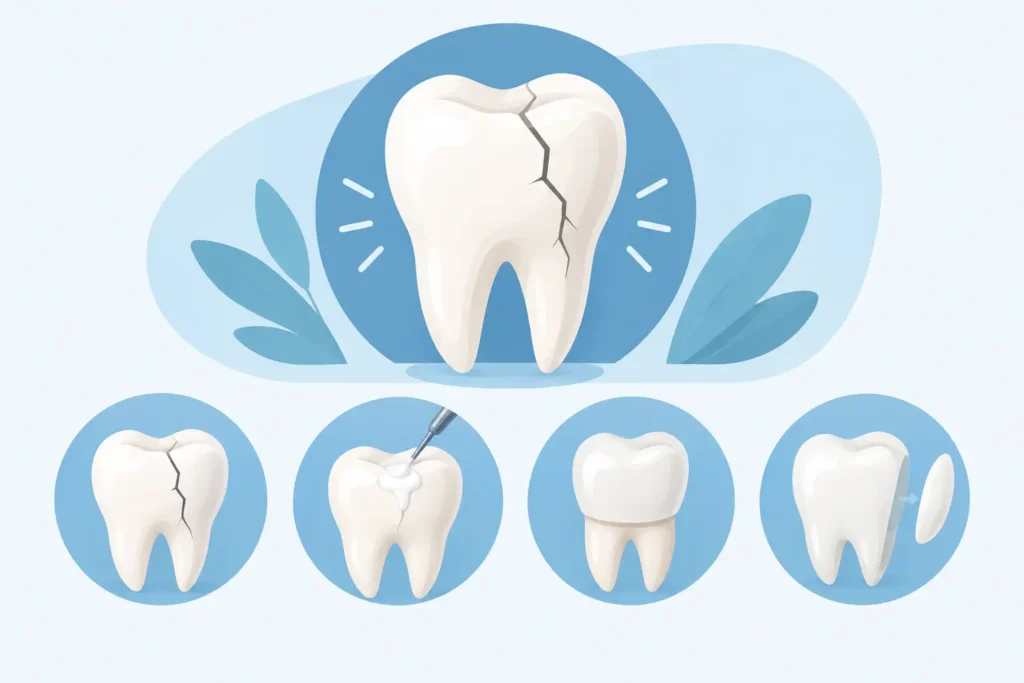
A dental emergency exam and necessary X-rays are commonly billed separately from treatment. If the dentist can complete a simple repair during the same appointment, such as smoothing a sharp edge or placing a filling, the total may remain relatively straightforward. If the tooth needs a crown, root canal treatment, extraction, or replacement, the cost will reflect that additional care.
It is reasonable to ask for an estimate before treatment begins. In a true emergency, some care may need to happen quickly, but you should still receive a clear explanation of the recommended treatment and expected fees.
Typical Emergency Dental Costs and What Changes Them
There is no single price for an emergency appointment. Fees vary by office, insurance coverage, the complexity of the issue, and the treatment required. The ranges below are general estimates, not a quote for care. Your dentist can provide the most accurate estimate after examining you.
An emergency exam may range from about $75 to $200, while dental X-rays can add roughly $25 to $200 depending on the images needed. A simple composite filling may cost several hundred dollars or less, depending on the tooth and size of the repair. Recementing a crown or restoring a minor chip may also be less costly than replacing a damaged restoration.
More involved treatment has a wider range. Root canal treatment can cost hundreds to more than $1,500 depending on the tooth, and a crown placed afterward is an additional expense. An extraction may range from a relatively modest fee for a simple removal to significantly more for a surgical extraction. If a knocked-out or severely damaged tooth needs long-term replacement, such as a bridge, denture, or implant, that plan is usually discussed after the immediate emergency is under control.
The key factor is not simply how much the tooth hurts. A painful tooth can sometimes need a small filling, while a tooth with little pain may have a deep crack or infection. An exam prevents guesswork and helps avoid paying for the wrong solution.
Infection and swelling can affect the plan
Facial swelling, a dental abscess, fever, trouble swallowing, or difficulty breathing should never be ignored. Antibiotics may be appropriate in some cases, but they do not remove the source of a dental infection. The tooth may still need drainage, root canal treatment, or extraction.
When swelling is severe or affects breathing or swallowing, seek emergency medical care right away. For dental infections that are painful but stable, contacting a dentist promptly can help you understand the safest next step and the likely treatment cost.
How Dental Insurance Affects Your Out-of-Pocket Cost
Dental insurance can reduce the emergency dental visit cost, but coverage depends on your individual plan. Many plans cover diagnostic exams and X-rays at a higher percentage than major restorative treatment. Fillings may receive partial coverage, while crowns, root canals, and tooth replacements often have lower coverage percentages, waiting periods, deductibles, or annual maximums.
Before your appointment, bring your insurance information if you have it. The dental team can review available benefits and help estimate your expected portion. An estimate is not a guarantee, since the insurance company makes the final payment decision, but it gives you a practical starting point.
If you do not have insurance, ask about payment options and whether the office can prioritize the treatment that protects your health and relieves your immediate pain. Sometimes the best plan is to address the urgent issue first and schedule the remaining restorative work in phases. That approach is not right for every problem, especially when an infection or unstable tooth needs definitive treatment, but it can be helpful when clinically appropriate.
Why Delaying Care Can Cost More
It is understandable to hesitate when an unexpected dental bill is a concern. However, delaying treatment often increases both the complexity and the cost of care. A small cavity may be treated with a filling. Once decay reaches the nerve, the tooth may require root canal treatment and a crown. If the tooth cannot be saved, extraction and replacement create another level of expense.
The same is true for a cracked tooth. A minor crack may be repairable, but continued biting pressure can deepen it below the gumline. At that point, saving the tooth may no longer be possible. Early care is not always inexpensive, but it can preserve more treatment choices.
Pain also has a cost beyond the bill. Dental discomfort can interrupt sleep, work, school, meals, and family time. Getting an answer quickly can replace uncertainty with a clear plan.
What to Do Before Your Emergency Appointment
A few simple steps can protect you while you arrange care. If a tooth is knocked out, handle it by the crown rather than the root, gently rinse it if dirty, and try to place it back in the socket if possible. If that is not possible, keep it moist in milk or saliva and seek dental care immediately. Time matters for a knocked-out permanent tooth.
For a broken tooth, save any pieces you can find and rinse your mouth with warm water. A cold compress on the outside of the face may help with swelling. For tooth pain, gently floss around the area in case food is trapped, but do not place aspirin directly on the gum or tooth. It can burn soft tissue.
Over-the-counter pain medicine may help when used according to the label and your medical provider’s guidance. Avoid using pain relief as a reason to postpone an evaluation if symptoms are persistent, severe, or accompanied by swelling.
Questions That Help You Plan for the Cost
A straightforward conversation with the dental office can make an emergency feel more manageable. Ask whether there is a separate emergency exam fee, whether X-rays are likely, and whether same-day treatment can be completed if needed. You can also ask what portion may be covered by insurance and whether the office can provide a written estimate after the exam.
If several treatment options are available, ask which option is most predictable long term, which addresses the urgent problem, and what could happen if you wait. The lowest immediate fee is not always the best value if it leaves the underlying problem unresolved. On the other hand, a good dentist should not pressure you into treatment that is not clinically necessary.
For Quincy and South Shore families, Quincy High Care Dentistry provides same-day emergency care when available, with a focus on clear recommendations, efficient treatment, and practical value. When dental pain or damage cannot wait, calling early gives the office the best chance to help you get seen promptly and make a confident decision about care.