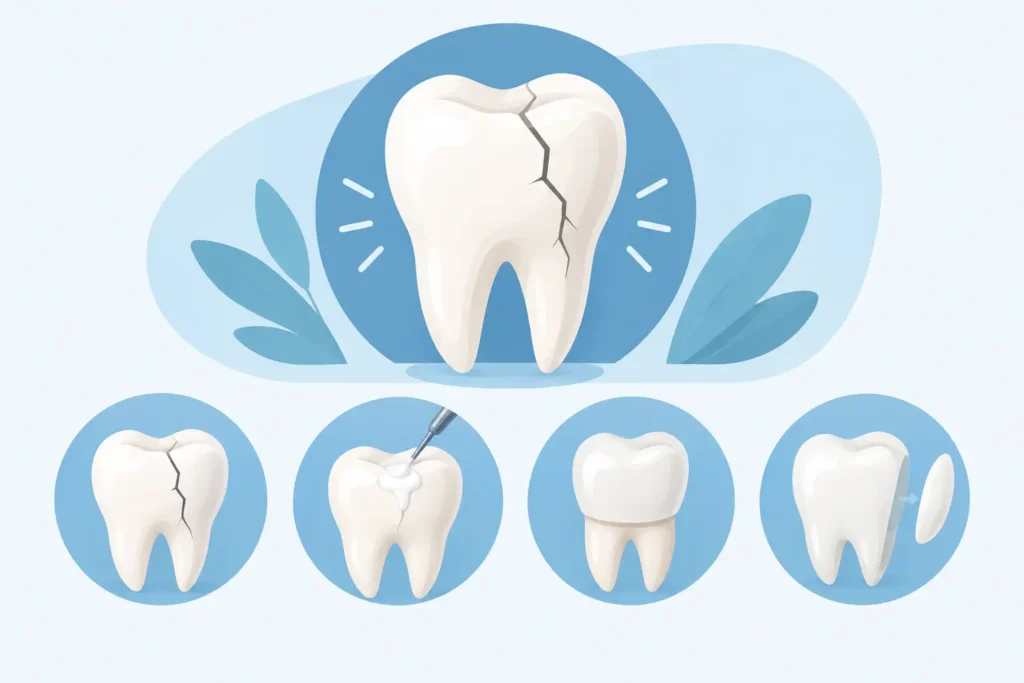
A severe toothache has a way of making every option sound urgent. When a tooth is badly decayed, cracked, or infected, the root canal vs extraction decision often comes down to one practical question: can the tooth be saved predictably, or is removing it the healthier choice? There is no one-size-fits-all answer, but there is a clear process for making a confident decision.
The goal is not simply to get you out of pain for the day. It is to protect your oral health, preserve normal chewing when possible, and help you understand the cost and care involved before treatment begins.
What a Root Canal Actually Does
A root canal is a treatment designed to save a natural tooth when the soft tissue inside it, called the pulp, is inflamed or infected. Deep decay, a large crack, repeated dental work, or an injury can allow bacteria to reach the pulp. This may cause lingering sensitivity, swelling, pain when biting, or sometimes no obvious symptoms at all.
During root canal treatment, the dentist removes the damaged or infected pulp, carefully cleans and disinfects the inside of the tooth, and seals the space. The tooth remains in place, but it no longer has the infected nerve tissue causing the problem. In many cases, especially for back teeth that handle heavy chewing, a crown is recommended afterward to protect the tooth from breaking.
Modern root canal treatment is performed with local anesthesia. Patients often compare the experience to having a filling, although the appointment can be longer depending on the tooth and the extent of infection. If you arrive with significant pain, relief from the infection is usually the biggest immediate benefit.
Saving a natural tooth has real advantages. Your tooth continues to support normal chewing, helps maintain spacing between neighboring teeth, and avoids the need to replace a missing tooth right away. When the tooth has enough healthy structure and good support from the surrounding bone and gums, a root canal can be an excellent long-term option.
When Extraction May Be the Better Choice
An extraction means removing the tooth completely. While dentists generally prefer to preserve a healthy, repairable natural tooth, extraction can be the most responsible treatment when a tooth cannot be restored successfully.
For example, a tooth may be too broken down below the gumline to hold a crown, severely cracked through the root, weakened by extensive decay, or affected by advanced gum disease with major bone loss. A root canal cannot fix every problem. It treats infection inside the tooth, but it does not rebuild a tooth that has lost too much structure or repair a root with a serious vertical fracture.
Extraction can also be appropriate when a tooth has already received extensive treatment and has a poor long-term outlook. Choosing extraction in that situation may prevent repeat procedures, ongoing discomfort, and additional expense for a tooth that is unlikely to last.
After an extraction, the question becomes whether and how to replace the missing tooth. Depending on the location of the tooth, your bite, and your overall dental health, replacement may involve a dental implant, bridge, or partial denture. Some patients may not need immediate replacement, but leaving a gap can allow nearby teeth to shift over time and can affect chewing. This is particularly relevant for visible teeth and teeth that do much of the work when you eat.
Root Canal vs Extraction: The Factors That Matter Most
The most meaningful difference is not whether one option is universally better. It is whether the affected tooth can be restored to function with a reasonable chance of lasting. An exam and dental X-rays help show the extent of decay, infection, bone support, cracks, and previous dental work.
A root canal may make sense when the tooth is structurally sound enough for a durable restoration. Even if decay is deep, a crown can often protect the remaining tooth once the infection has been treated. A front tooth with a healthy root, for instance, may be a strong candidate for root canal treatment because saving it protects your smile and avoids a more complex replacement process.
Extraction may make more sense when the tooth is beyond repair or when a patient cannot reasonably maintain or afford the restoration required to save it. A badly fractured molar with decay extending far below the gumline may not have enough stable tooth structure left for a crown. In that case, trying to save it can lead to more treatment without a dependable result.
Your overall health and dental history also matter. Gum disease, smoking, dry mouth, teeth grinding, diabetes management, and home care can all influence healing and the longevity of dental treatment. Your dentist should discuss these factors openly rather than treating the X-ray alone.
Comparing Recovery, Comfort, and Time
Both treatments are meant to address pain and infection, but recovery looks different. After a root canal, the area may feel tender for a few days, particularly if there was a significant infection before treatment. Most people can return to normal activities quickly, although they should avoid chewing hard foods on the treated tooth until it is permanently restored.
After an extraction, the body needs time to form a blood clot and heal the socket. Mild swelling and soreness are common. Following aftercare instructions is essential, including avoiding smoking, vigorous rinsing, and drinking through straws during the early healing period, since these can disturb the clot and lead to painful dry socket.
Neither procedure should be approached with fear or guesswork. Good anesthesia, clear instructions, and a plan for managing discomfort make a major difference. If you have dental anxiety, tell the office before treatment so your care can be planned with comfort in mind.
The Cost Question Is Bigger Than the First Appointment
It is understandable to compare the upfront cost of a root canal with an extraction. Extraction is often less expensive at the initial visit. However, if the tooth needs to be replaced later, the total cost can rise substantially. An implant, bridge, or denture has its own treatment timeline, maintenance needs, and insurance considerations.
A root canal may involve the cost of treatment plus a crown, particularly for a molar. That can be a greater investment at first, but it may be worthwhile when it preserves a stable natural tooth for years. On the other hand, paying to save a tooth with a poor prognosis may not be the best value.
Insurance coverage varies by plan and may cover portions of restorative care, endodontic treatment, crowns, extractions, or tooth replacement differently. Before treatment, ask for a straightforward estimate that explains what your plan may cover and what your expected out-of-pocket cost could be. The lowest immediate price is not always the lowest long-term cost.
Do Not Wait on Signs of Infection
A tooth infection does not reliably improve without dental treatment. Call promptly if you have severe or throbbing pain, facial swelling, a pimple-like bump on the gums, fever, a bad taste in your mouth, or pain that wakes you at night. Swelling that affects breathing or swallowing requires urgent medical attention.
Same-day emergency dental care can help identify whether a root canal, extraction, or another treatment is needed. Sometimes the first visit focuses on getting you comfortable and controlling infection, followed by definitive treatment once the dentist has evaluated the tooth thoroughly.
A Decision You Should Not Have to Make Alone
The right choice should feel clear after a careful exam, honest discussion, and an explanation of the likely outcome for each option. At Quincy High Care Dentistry, patients can expect practical recommendations based on the condition of the tooth, their comfort, and their long-term goals.
If a tooth can be saved with a predictable restoration, keeping it is often worth considering. If it cannot, removing it and discussing a sound replacement plan can protect the rest of your smile. The next best step is simple: get the tooth evaluated before pain, infection, or damage has more time to spread.