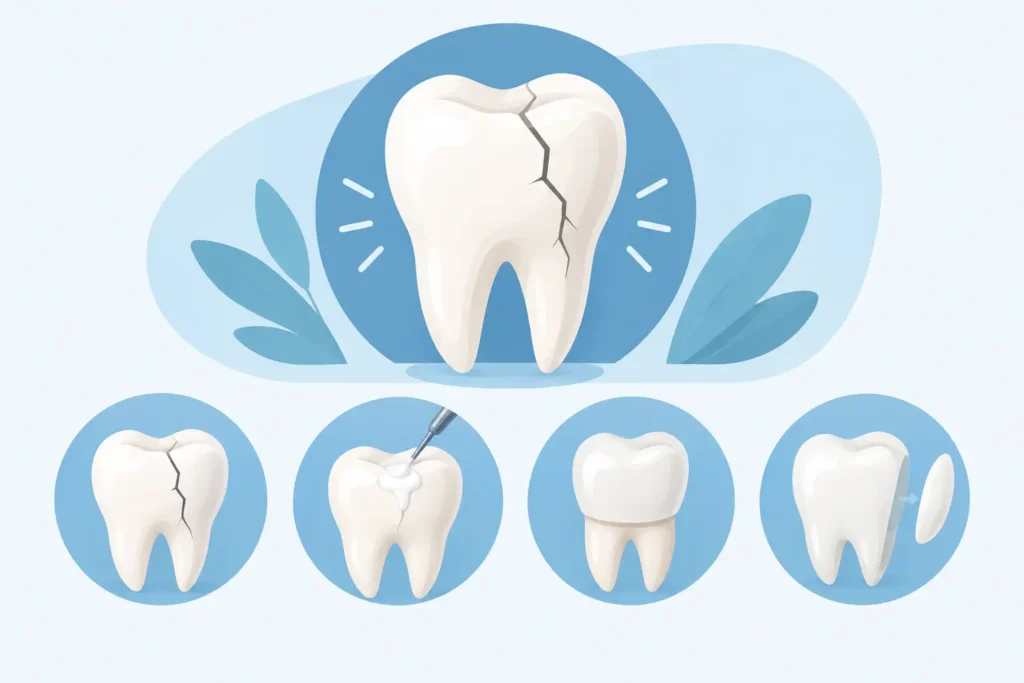
A toothache that keeps you awake, pain when you bite, or a new swelling along the gumline is more than an inconvenience. These can be tooth infection warning signs, and waiting for the pain to “settle down” can allow an infection to spread. Prompt dental care can relieve discomfort, protect your tooth when possible, and help prevent a more serious emergency.
A dental infection usually begins when bacteria enter the inner part of a tooth through deep decay, a crack, an old failing filling, or gum disease. The infection may form an abscess, which is a pocket of pus near the tooth root or gums. Some infections cause dramatic pain; others are surprisingly quiet until swelling develops. That is why changes in your mouth deserve attention, even if the discomfort comes and goes.
Common tooth infection warning signs
Persistent, throbbing tooth pain
An infected tooth often causes a deep, pulsing ache that may worsen when you lie down, chew, or press on the tooth. Pain can spread into the jaw, ear, cheek, or neck, making it hard to tell which tooth is responsible. Sensitivity to hot or cold that lingers after the temperature source is gone can also point to inflammation or infection inside the tooth.
Not every toothache is an infection. A cracked tooth, grinding, gum irritation, or a cavity can all hurt. But pain that is severe, persistent, or worsening should be evaluated promptly rather than managed with pain medicine alone.
Swelling in the gums, face, or jaw
A tender bump on the gums, swelling beside one tooth, or a pimple-like spot that releases fluid may indicate an abscess. You may notice a bad taste in your mouth if the abscess drains. Drainage can temporarily reduce pressure and pain, but it does not mean the infection has healed.
Facial or jaw swelling is more urgent. If one side of your face looks noticeably fuller, do not wait for a routine cleaning or hope it improves over the weekend. Contact a dentist for same-day guidance and evaluation.
Pain with biting or chewing
When an infection reaches the tissues around a tooth root, biting can feel sharp, bruised, or strangely uneven. Some patients say the tooth feels “too tall” or as though it hits first when they close their mouth. Avoid chewing on that side until you are seen, but do not assume a softer diet will solve the underlying problem.
Fever, fatigue, or swollen lymph nodes
A fever, chills, feeling generally unwell, or tender glands under the jaw or in the neck can mean your body is reacting to an infection. These symptoms do not always occur with a tooth abscess, but when they do, timely treatment matters. Tell your dental office about any fever or facial swelling when requesting an appointment so the team can help determine the appropriate next step.
A darkening tooth or sudden loss of pain
A tooth that becomes gray, brown, or darker than surrounding teeth may have lost blood flow after trauma or decay. It may eventually become infected, even if it does not hurt at first. Likewise, a severe toothache that suddenly disappears is not always good news. The nerve inside the tooth may have stopped responding while infection remains around the root.
When a tooth infection becomes an emergency
Dental infections can spread beyond the tooth and gums. Seek emergency medical care immediately if you have trouble breathing, swallowing, or speaking; swelling that is spreading quickly; swelling around the eye; confusion; or an inability to open your mouth normally. These symptoms require urgent medical evaluation and should not wait for a dental appointment.
For a painful tooth, gum swelling, drainage, or mild facial swelling without breathing or swallowing problems, call a dentist as soon as possible. Same-day emergency dental care can often identify the source of the problem and begin appropriate treatment before the situation becomes more complicated.
Parents should also take facial swelling, fever, or a child who will not eat or drink because of tooth pain seriously. Children may have difficulty explaining what hurts, so watch for crying during meals, cheek swelling, persistent bad breath, or a reluctance to brush one area of the mouth.
What to do while you wait to be seen
The goal at home is to stay comfortable and avoid making the problem worse, not to treat the infection yourself. Rinse gently with warm salt water, keep the area clean, and use a cold compress on the outside of the cheek for swelling. If you can safely take over-the-counter pain medicine, follow the label directions and ask a pharmacist or healthcare professional if you have questions about interactions or health conditions.
Do not place aspirin directly on the gums or tooth. It can burn oral tissue. Avoid heating pads on facial swelling, as heat may worsen swelling in some cases. Do not try to pop or drain a gum bump yourself, and do not use leftover antibiotics. The wrong antibiotic, dose, or timing may mask symptoms without resolving the source of the infection.
If a tooth is sensitive, choose lukewarm foods and drinks and chew on the opposite side. Continue brushing gently and flossing carefully, unless flossing causes sharp pain around a damaged tooth. Keeping the mouth clean is helpful, but no rinse, supplement, or home remedy can remove infected tissue inside a tooth.
How dentists treat a tooth infection
Treatment depends on where the infection is located, how far it has spread, and whether the tooth can be saved. Your dentist will examine the tooth and gums and may take X-rays to look for decay, cracks, bone changes, or infection around the root.
When infection is inside a tooth, root canal treatment may remove the infected nerve tissue, disinfect the inside of the tooth, and seal it. Many teeth then need a crown to restore strength, especially back teeth that handle heavy chewing forces. If the tooth cannot be repaired, extraction may be the healthier option. Replacing a missing tooth later with an implant, bridge, or denture can help protect chewing function and nearby teeth.
Antibiotics may be prescribed when there are signs that infection is spreading, such as fever, diffuse swelling, or certain medical considerations. However, antibiotics alone usually cannot cure an infection inside a tooth. The source still needs dental treatment, whether that means drainage, root canal treatment, or extraction. This is one reason it is best not to delay care after symptoms improve.
Why early care can save time and expense
Dental infections tend to become more difficult to treat when they are ignored. A small cavity may be addressed with a filling. Once bacteria reach the tooth pulp, the treatment may require a root canal and crown. If the tooth is lost, replacing it can involve additional visits and expense.
Early treatment is not only about avoiding a larger bill. It can preserve more natural tooth structure, reduce the chance of missed work or school, and spare you from a painful after-hours emergency. At Quincy High Care Dentistry, patients with urgent dental pain can be evaluated with a focus on clear answers, practical treatment options, and personalized care.
Can a tooth infection go away on its own?
No. Symptoms may fade if an abscess drains or the tooth nerve dies, but the bacteria and damaged tissue usually remain. An untreated infection can continue to affect the bone and tissues around the tooth and may flare up again when you least expect it.
The reassuring part is that dental infections are treatable, particularly when addressed early. If you recognize tooth infection warning signs such as persistent pain, gum swelling, drainage, fever, or facial swelling, make the call rather than trying to wait it out. Getting the right care promptly can bring relief and give your smile the best chance to recover.