A toothache that keeps you awake, a cracked crown before work, or a child’s knocked-out tooth can turn an ordinary day into a stressful one. When you search for a same day emergency dentist near me, you need more than a quick opening on a calendar. You need clear guidance, an experienced team, and a plan to relieve pain and protect your oral health.
Not every dental problem requires treatment within hours, but some do. The difference matters. Prompt care can often save a tooth, stop an infection from worsening, and prevent a smaller repair from becoming a more involved procedure later.
When a Dental Problem Needs Same-Day Care
Dental emergencies are not always dramatic. Severe pain, swelling, bleeding, or damage to a tooth are all reasons to contact a dentist as soon as possible. Even if pain comes and goes, it can be a sign that something beneath the surface needs attention.
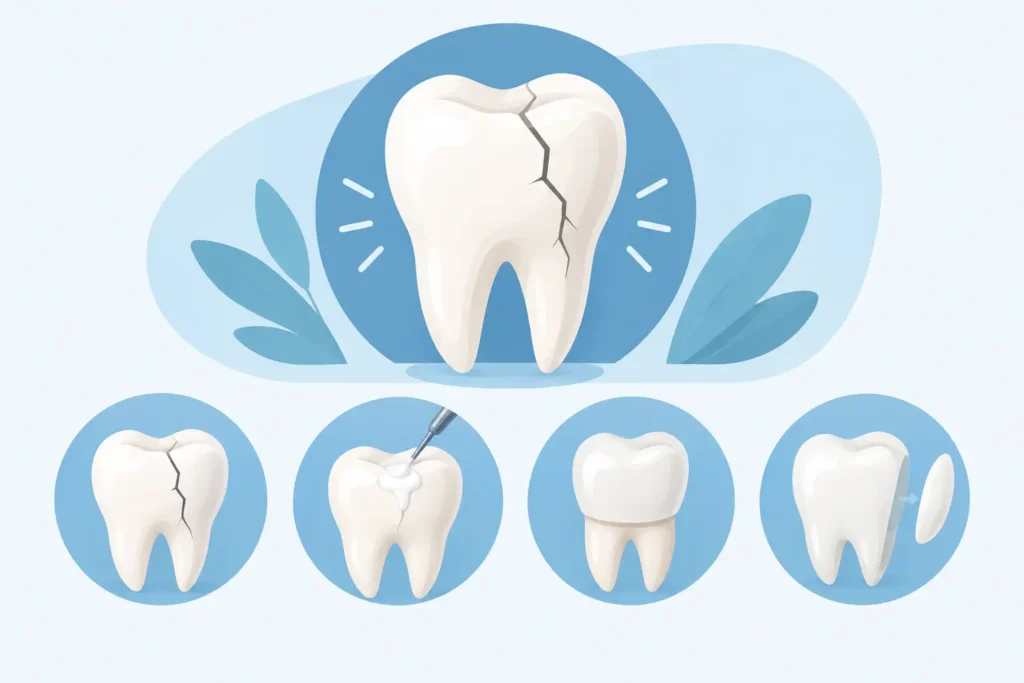
A same-day appointment is often appropriate for a knocked-out or loose permanent tooth, a broken or cracked tooth, a lost filling or crown that causes pain, facial swelling, a dental abscess, uncontrolled bleeding, or intense tooth pain. Injuries to the lips, tongue, or gums may also require prompt evaluation, particularly when bleeding does not stop with gentle pressure.
Swelling deserves special attention. An infection inside a tooth or around the gums can spread beyond the mouth if left untreated. If swelling is affecting your breathing or swallowing, or is spreading into the jaw or neck, seek emergency medical care immediately. A dental office can address many urgent oral health issues, but breathing and swallowing problems need hospital-level evaluation.
What to Do Before You Reach the Dentist
The first few minutes after a dental injury can make a real difference. Stay calm, avoid chewing on the injured side, and call a local dental office to explain exactly what happened. Be ready to share when the problem started, whether there is swelling or fever, and whether the tooth was injured, broken, or completely knocked out.
For a knocked-out permanent tooth, hold it by the crown, which is the visible chewing portion, rather than the root. If it is dirty, rinse it briefly with milk or clean water without scrubbing. If possible, gently place it back into the socket. If that is not practical, keep the tooth moist in milk or inside your cheek if you can do so safely. Time matters, so call right away. Do not try to put a knocked-out baby tooth back into place.
For a cracked tooth or lost restoration, rinse gently with warm water and save any pieces you can find. A cold compress against the outside of the face may help with swelling and discomfort. Over-the-counter pain medicine may be appropriate when taken as directed, but never place aspirin directly on a tooth or gum tissue. It can irritate and burn the tissue.
If a filling or crown has come out, avoid sticky foods and try not to chew in that area. Temporary repair materials may be available at a pharmacy, but they are only a short-term measure. The tooth still needs professional evaluation because the underlying tooth structure may be exposed or weakened.
What Happens at a Same-Day Emergency Dental Visit?
An emergency dental visit begins with finding the source of the problem, not just covering up the symptom. Your dentist will ask about your pain, recent injuries, medical history, and any changes you have noticed. An exam and digital X-rays may be needed to see what is happening below the gumline or inside the tooth.
The immediate goal is usually to relieve pain, control infection or bleeding, and stabilize the tooth. Depending on the diagnosis, treatment may involve smoothing or bonding a chipped tooth, placing a filling, re-cementing a crown, repairing a restoration, draining an infection, beginning root canal treatment, or removing a tooth that cannot be saved.
Sometimes the right emergency treatment is temporary stabilization followed by a planned return visit. For example, a badly damaged tooth may need a protective temporary restoration before a permanent crown can be made. A tooth with an infection may require root canal treatment over more than one appointment. This is not a delay in care – it is a thoughtful approach that addresses the urgent issue while planning the strongest long-term result.
Why Waiting Can Make the Problem Harder to Treat
It is easy to put off dental pain when a busy schedule, work responsibilities, or cost concerns are involved. Yet many emergencies do not resolve on their own. Pain may fade temporarily when a tooth’s nerve is damaged, but the underlying infection or fracture can still progress.
A small crack can deepen. A lost filling can expose a tooth to bacteria. An abscess can cause increasing swelling and bone loss around the tooth. Early treatment may mean a filling, bonding, or root canal that preserves your natural tooth. Waiting can sometimes lead to more extensive treatment, including extraction and tooth replacement.
That does not mean every sore tooth needs panic or an immediate procedure. Mild sensitivity after a cold drink, minor gum irritation, or a small chip without pain may be able to wait for the next available appointment. If you are unsure, call and describe your symptoms. A caring dental team can help you decide how urgently you should be seen.
Choosing a Same Day Emergency Dentist Near Me
When you are hurting, convenience matters, but it should not be the only factor. Look for a practice that clearly offers emergency appointments, listens carefully to your symptoms, and explains expected costs and treatment options before moving forward. A local office that can also provide preventive care, fillings, crowns, root canals, dentures, and follow-up treatment can make the process easier after the immediate emergency is handled.
Insurance acceptance is another practical concern. Ask whether the office works with your plan and what information you should bring to your visit. If you do not have insurance, ask about payment expectations and options before your appointment. Straightforward answers help you make decisions without added stress.
Experience also matters, especially when the situation involves infection, trauma, or a tooth that may be saved with prompt treatment. At Quincy High Care Dentistry, patients can expect personalized emergency care from a neighborhood team focused on clear communication, efficient treatment, and lasting oral health.
How to Prevent the Next Dental Emergency
Not every emergency can be avoided. Falls, sports injuries, and unexpected cracks happen. Still, routine exams allow a dentist to spot worn fillings, cracks, loose crowns, decay, and gum concerns before they become painful problems.
A custom sports mouthguard can protect teeth during contact sports and recreational activities. Avoiding ice, hard candy, popcorn kernels, and using teeth to open packages can reduce the risk of cracked teeth and damaged restorations. If you grind or clench your teeth, especially at night, a protective nightguard may help prevent wear and fractures.
The most useful step is having a dental home before an emergency happens. Keep your dentist’s phone number handy, attend regular visits, and do not ignore a tooth that is becoming sensitive or a crown that feels loose. When something urgent happens, knowing where to turn can replace a frantic search with a clear next step: call, explain your symptoms, and get the care you need.