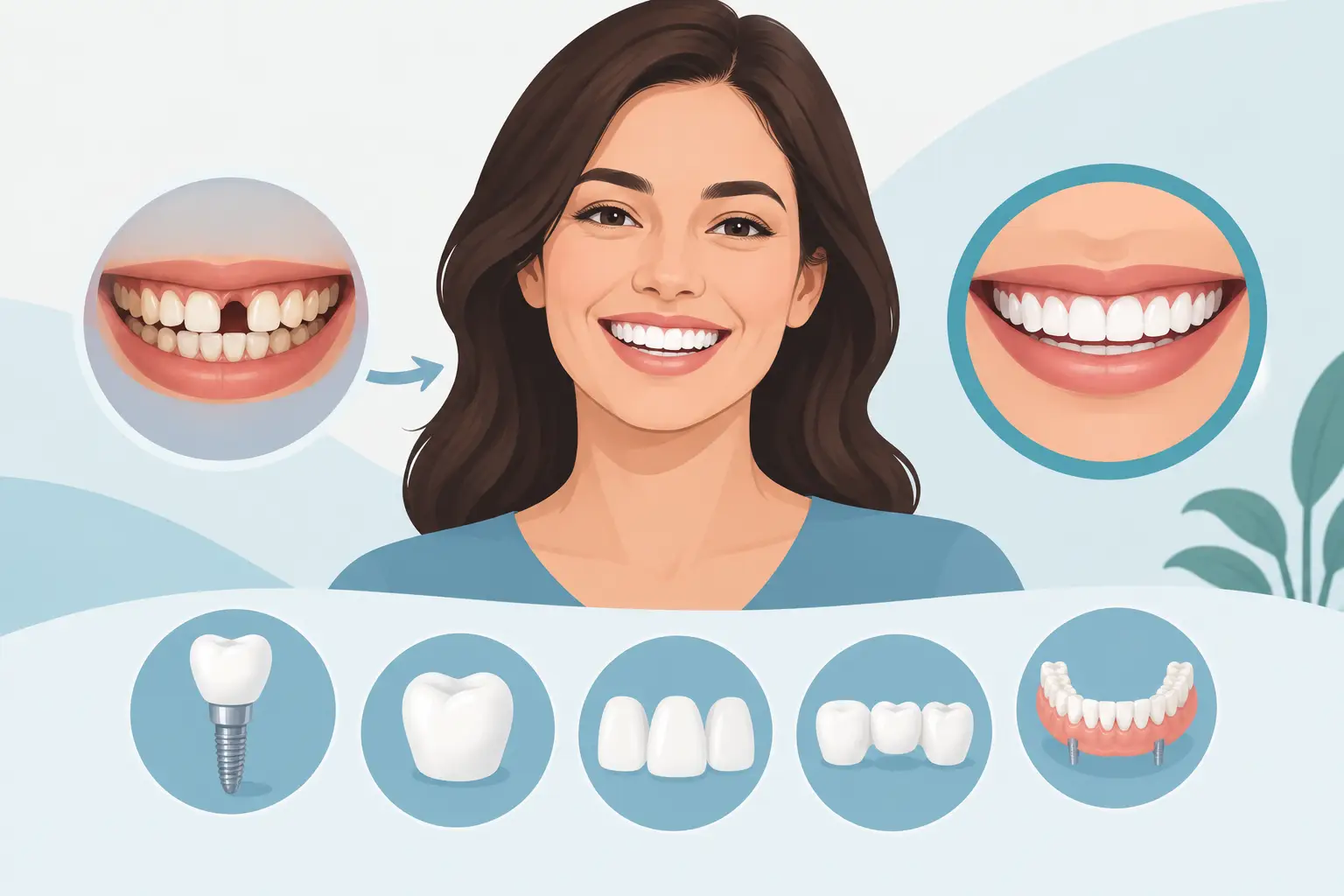
A full mouth restoration is not one procedure or one standard package. It is a personalized plan for rebuilding oral health when several teeth have been damaged, lost, worn down, or affected by infection. Looking at full mouth restoration examples can make the process feel less overwhelming because it shows how treatment is built around real concerns: eating without pain, speaking clearly, protecting remaining teeth, and feeling comfortable smiling again.
For some people, the work may involve a few crowns and fillings completed over several visits. For others, it may include root canal treatment, dentures, dental implants, or replacing older restorations that no longer fit well. The right path depends on your teeth, gums, bite, medical history, budget, and priorities.
What Full Mouth Restoration Can Address
Full mouth restoration, also called full mouth rehabilitation or reconstruction, refers to coordinated treatment across much or all of the mouth. It is often recommended when separate problems have begun to affect each other. A missing tooth can cause neighboring teeth to shift. A cracked tooth can change how a person chews. Long-term tooth wear can alter the bite and place stress on the jaw.
Common reasons someone may need a broader restorative plan include extensive decay, multiple missing teeth, advanced wear from grinding, broken or failing crowns, gum-related tooth loss, or years of postponing dental care because of anxiety, cost, or a busy schedule. A patient does not need to have every natural tooth missing to benefit from a comprehensive plan.
The goal is practical: treat active problems, preserve healthy teeth whenever possible, restore a stable bite, and create a result that is manageable to maintain. Cosmetic improvement may be part of the outcome, but a responsible plan begins with health and function.
Full Mouth Restoration Examples From Common Patient Needs
Example 1: Several Broken or Heavily Decayed Teeth
A patient may have multiple large cavities, old fillings that have fractured, and teeth that hurt when chewing. In this situation, the first priority is diagnosing infection, decay depth, and whether each tooth can be saved. Teeth with healthy roots and enough remaining structure may be restored with composite fillings, crowns, or root canal treatment followed by crowns.
A tooth that cannot be predictably repaired may need to be removed and replaced. Depending on the location and the patient’s oral health, replacement options can include a dental implant, bridge, or removable partial denture. Treatment is often phased, beginning with the teeth causing pain or infection, then completing the remaining restorative work in a logical order.
Example 2: Missing Back Teeth and Difficulty Eating
When back teeth have been missing for years, many patients begin chewing on only one side. This can make meals frustrating and can overload the teeth that remain. The jawbone in the areas of missing teeth may also shrink over time, which is one reason an early evaluation can be helpful.
One restoration plan might use dental implants to replace individual missing teeth, with crowns attached after healing. Another may use a partial denture when implants are not the right clinical or financial fit. Neither choice is automatically better. Implants can offer a fixed, tooth-like option, but they require sufficient bone, healing time, surgery, and a larger upfront investment. A partial denture can be a more affordable solution and may be completed sooner, though it is removable and requires daily care.
Example 3: Worn Teeth From Grinding or Acid Erosion
Teeth that look short, flat, chipped, or increasingly sensitive may have been worn down by nighttime grinding, clenching, reflux, or frequent exposure to acidic foods and drinks. As the teeth lose height, the bite can change. Patients may notice jaw fatigue, headaches, difficulty chewing, or front teeth that no longer meet properly.
Treatment may involve rebuilding worn surfaces with bonding, crowns, or a combination of both. The dentist considers the bite carefully before restoring tooth shape, since simply placing crowns on the most damaged teeth without addressing the overall bite can create new problems. A custom night guard may be recommended after treatment to protect the investment if grinding is a concern.
Example 4: Failing Crowns, Bridges, and Old Fillings
Dental work is designed to last, but no restoration lasts forever. Crowns can develop leakage at the edges, bridges can fail when a supporting tooth weakens, and old metal or composite fillings can crack the surrounding tooth. A patient may not feel pain right away, which is why routine examinations and X-rays remain useful even when everything seems fine.
A full mouth approach can help when several older restorations need attention at once. The dentist evaluates which restorations can be monitored, which should be replaced soon, and which teeth need treatment first. This prevents a patchwork approach that repeatedly interrupts work already completed elsewhere in the mouth.
Example 5: Extensive Tooth Loss and Unstable Dentures
A person who has lost most or all of their teeth may wear full dentures that slip, cause sore spots, or make certain foods difficult to eat. Conventional dentures can restore appearance and basic function, and they remain a valuable option for many patients. However, they may not feel secure enough for everyone.
For eligible patients, implants can be used to support a denture and improve stability. The number of implants, the condition of the bone, and the desired type of restoration all influence the plan. Some patients need extractions and a temporary denture before a final prosthesis is made. Others already have dentures and need an evaluation to determine whether their current appliance can be adjusted or whether a new one is needed.
How a Treatment Plan Is Built
A comprehensive restoration plan should never be based on appearance alone. It begins with a detailed exam of the teeth, gums, bite, jaw function, and any signs of infection. X-rays and other diagnostic records help the dentist see what is happening below the gumline and around existing dental work.
From there, treatment is usually organized in stages. Urgent pain, swelling, abscesses, and unstable teeth come first. Next comes disease control, which may include treating decay, addressing gum concerns, or completing root canal treatment. Once the mouth is stable, the dentist can plan final crowns, dentures, implants, or other restorations with a clearer long-term view.
Phasing treatment can make a large plan more realistic. It allows patients to spread appointments and costs over time while still addressing what matters most now. In some cases, delaying a non-urgent cosmetic improvement is reasonable. Delaying an infection, severe pain, or a tooth that is likely to break further is usually not.
Questions Worth Asking Before You Begin
A good consultation should leave you with clear answers, not pressure. Ask which teeth can be saved and why, what happens if treatment is delayed, and which options are most durable for your situation. You should also understand the expected timeline, temporary restorations if needed, follow-up visits, and the daily maintenance required after treatment.
Cost matters, too. Ask for a clear treatment sequence and whether insurance may contribute to specific procedures. Coverage varies by plan, and some restorative care may have annual limits or waiting periods. A practical dental office will help you understand the treatment priorities so you can make decisions without guessing.
For patients in Quincy and the South Shore, Quincy High Care Dentistry offers comprehensive care ranging from urgent treatment and root canals to crowns, dentures, and dental implants. The focus is on a plan that fits your dental needs, schedule, and budget, not a one-size-fits-all answer.
A Restored Smile Starts With a Clear Assessment
The most useful full mouth restoration examples are not before-and-after photos. They are real treatment decisions made carefully: save a tooth when it has a good prognosis, replace it when it does not, and restore the bite in a way that can be maintained for years.
If multiple teeth are causing pain, limiting what you eat, or making you avoid dental visits altogether, start with an evaluation. A clear diagnosis and a realistic sequence of care can turn a complicated situation into manageable next steps.