A toothache that keeps you awake is hard to ignore. But pain is not the only answer to the question, when do you need a root canal? Sometimes a tooth’s inner tissue is badly damaged or infected before it causes severe discomfort. A timely dental exam can identify the problem, relieve pain, and often save the natural tooth.
Root canal treatment has a reputation that can make people nervous. The reality is more straightforward: it is a procedure designed to remove infection from inside a tooth, protect the tooth from further damage, and help you get back to eating and speaking comfortably. With modern anesthetic and careful treatment, the goal is relief – not added discomfort.
What a root canal treats
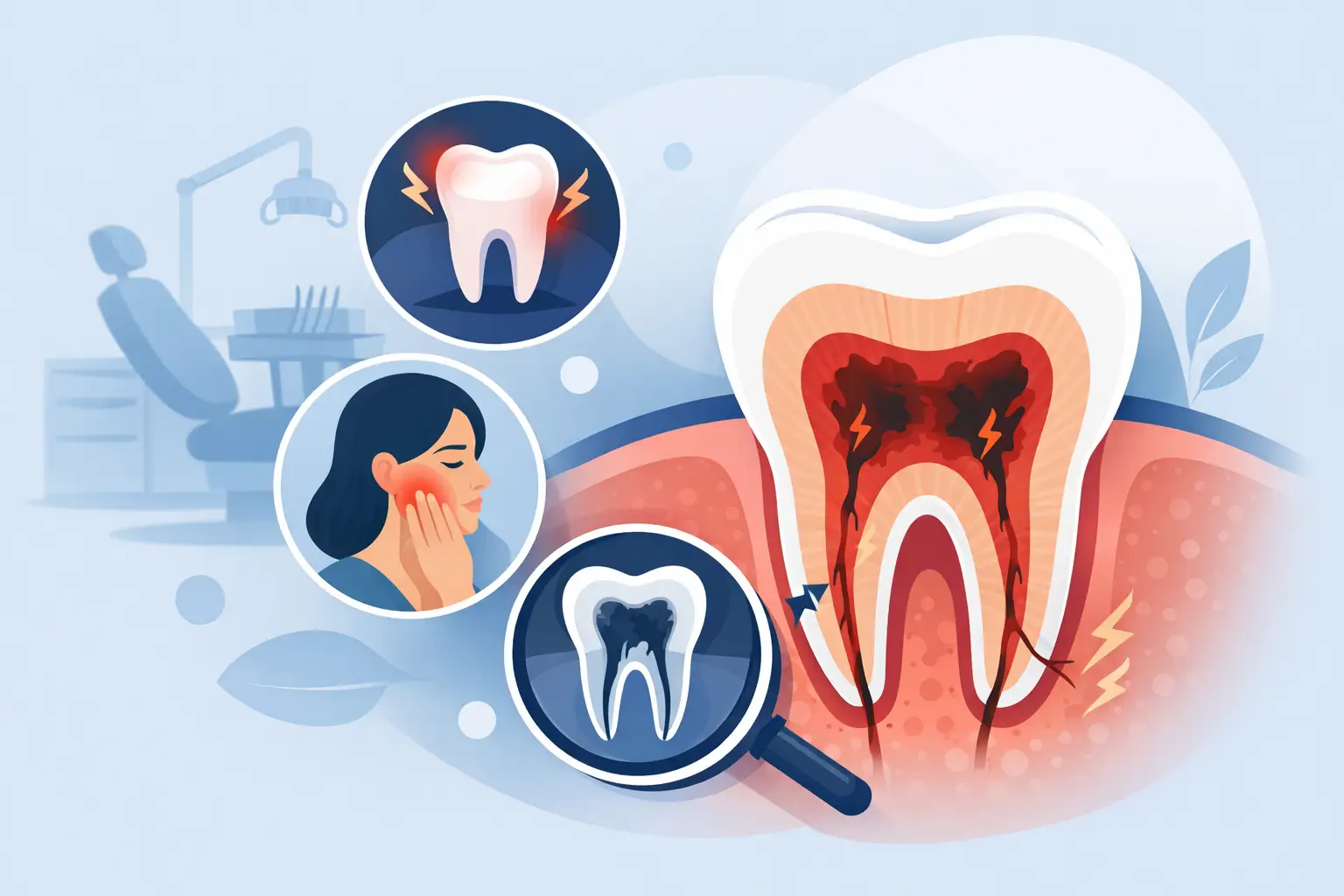
Inside every tooth is soft tissue called the pulp. It contains nerves, blood vessels, and connective tissue that helped the tooth develop. Once the tooth is fully formed, it can continue to function without the pulp because the tissues around the root keep it supported and nourished.
When deep decay, a crack, repeated dental work, or an injury reaches the pulp, the tissue can become inflamed or infected. Bacteria can then travel through the root canals and into the bone around the tooth. A root canal removes the damaged pulp, cleans and disinfects the inside of the tooth, and seals it to prevent reinfection.
Not every cavity needs this treatment. A small or moderate cavity can often be handled with a composite filling. When decay has weakened a larger portion of the tooth but has not reached the pulp, a crown may be the right solution. The key difference is whether the nerve tissue inside the tooth is healthy enough to keep.
Signs you may need a root canal
Only a dentist can confirm the need for root canal treatment. An exam, X-rays, and tests that check how the tooth responds to temperature or pressure help reveal what is happening below the surface. Still, several symptoms should prompt you to schedule an appointment soon.
Lingering sensitivity to hot or cold
Brief sensitivity after ice water or hot coffee can happen with worn enamel, a small cavity, or gum recession. Sensitivity that lingers for 30 seconds or longer after the temperature is gone is more concerning. It may mean the pulp is inflamed and unable to recover on its own.
Pain when biting or chewing
A tooth that hurts when you bite down, especially if it feels tender when you release your bite, can have an infection near its root or a crack that has reached the pulp. Avoid chewing on that side until you are seen. Continuing to put pressure on a damaged tooth can make a crack worse.
Persistent or spontaneous tooth pain
Throbbing pain, pain that wakes you at night, or a toothache that appears without eating or drinking can signal significant pulp inflammation. Pain may come and go, so do not assume the problem is gone just because a difficult day improves. Dental infections often become more serious over time.
Swelling, a pimple on the gums, or a bad taste
Swelling around a tooth, a small bump on the gums, drainage, or a persistent bad taste can indicate an abscess. An abscess is an infection that has spread beyond the tooth. It requires prompt dental care, even if the tooth no longer hurts. In some cases, loss of pain means the nerve has died, not that the tooth has healed.
A darkened, cracked, or deeply decayed tooth
A tooth that turns gray or darker after an injury may have internal damage. A visible crack, a large old filling, or deep decay also raises the risk that bacteria have reached the pulp. These changes do not automatically mean a root canal is necessary, but they are good reasons not to delay an evaluation.
When a toothache is a dental emergency
Call a dentist promptly for severe pain, facial swelling, or swelling near the jaw. Same-day care may be appropriate when pain is interfering with sleep, work, eating, or normal daily activity. A dentist can assess the tooth, control discomfort, and determine whether root canal treatment, drainage, or another treatment is needed.
Seek urgent medical attention if swelling is spreading toward the eye or neck, you have trouble breathing or swallowing, or you develop a fever along with facial swelling. These symptoms can signal a spreading infection that should not wait.
Over-the-counter pain relievers may provide temporary relief when used as directed and when safe for you, but they do not treat the source of an infection. Antibiotics are not a substitute for dental treatment either. They may be used in certain situations, particularly when infection has spread, but the affected tooth still needs to be cleaned, drained, treated, or removed as clinically appropriate.
What happens during root canal treatment?
The procedure begins with numbing the area so you can be comfortable. Your dentist creates a small opening in the tooth, removes the infected or damaged pulp, and carefully cleans the narrow canals inside the roots. The canals are shaped, disinfected, and filled with a protective material. The tooth is then sealed with a filling.
Many teeth also need a crown after root canal treatment, particularly back teeth that handle heavy chewing forces. Removing decay and accessing the inside of the tooth can leave it more vulnerable to fracture. A crown covers and protects the remaining tooth structure, helping it last longer.
Treatment can sometimes be completed in one visit, while more complex infections or teeth with multiple canals may require more time. The number of appointments depends on the tooth, the extent of infection, and whether the area needs additional cleaning before final sealing. Your dentist should explain the expected plan and costs before treatment begins.
Is a root canal better than extraction?
When a tooth can be predictably restored, saving it is usually the preferred option. Your natural tooth helps maintain your bite, supports normal chewing, and avoids the need to replace a missing tooth. Root canal treatment followed by an appropriate restoration can preserve a tooth for many years with good home care and regular dental visits.
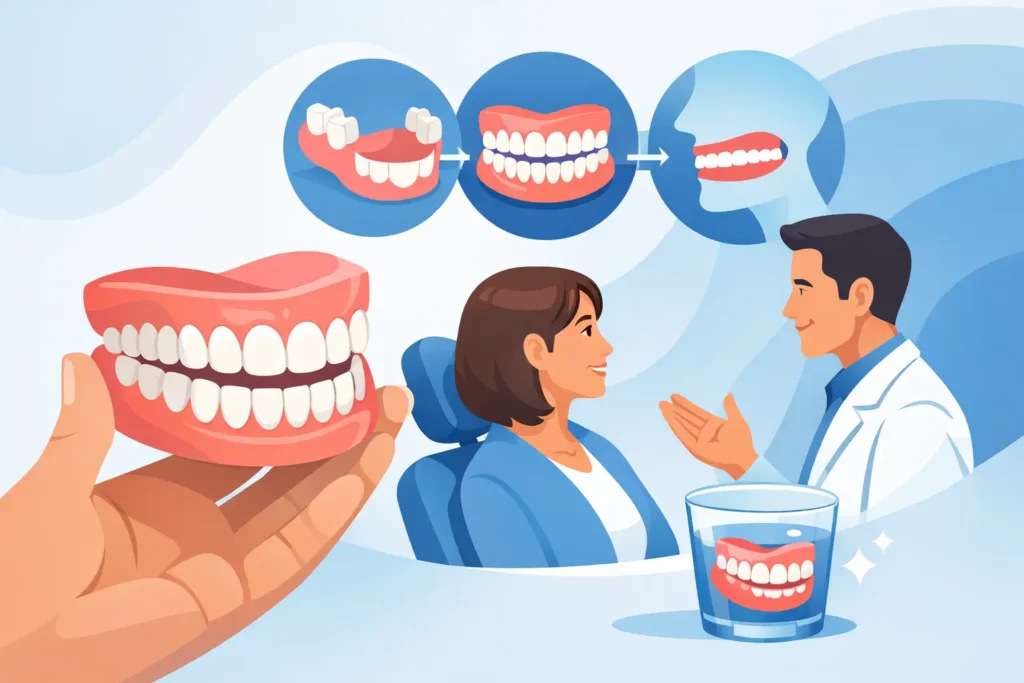
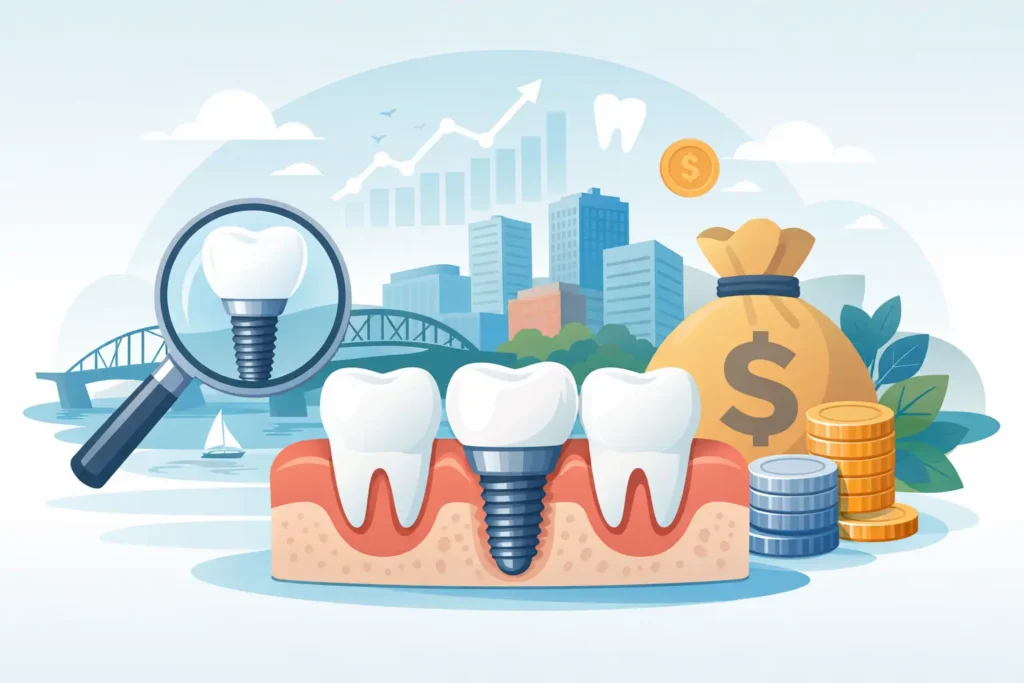
There are situations where extraction is the better choice. A tooth may be too fractured, too decayed below the gumline, or too compromised by bone loss to restore successfully. If removal is necessary, replacement options such as a dental implant, bridge, or partial denture can help restore function. Each option involves different treatment time, costs, and maintenance needs, so a clear discussion with your dentist matters.
Can you prevent the need for a root canal?
You cannot prevent every dental injury or crack, but preventive care lowers the risk. Brushing twice a day with fluoride toothpaste, cleaning between teeth daily, and keeping regular checkups allow cavities and failing fillings to be treated before they reach the pulp. A nightguard can protect teeth if you grind or clench, and a sports mouthguard can reduce injury risk during athletics.
Do not wait for a mild symptom to become an emergency. Sensitivity, a chipped tooth, or a lost filling may seem manageable, but early care is generally simpler and less costly than treating a deep infection later. For families and busy working adults, scheduling an exam when a problem first appears can prevent a painful disruption down the road.
If you are dealing with tooth pain, swelling, or sensitivity that does not go away, a prompt exam is the most reliable next step. At Quincy High Care Dentistry, we focus on clear answers, comfortable care, and practical treatment options so you can make a confident decision about your smile.