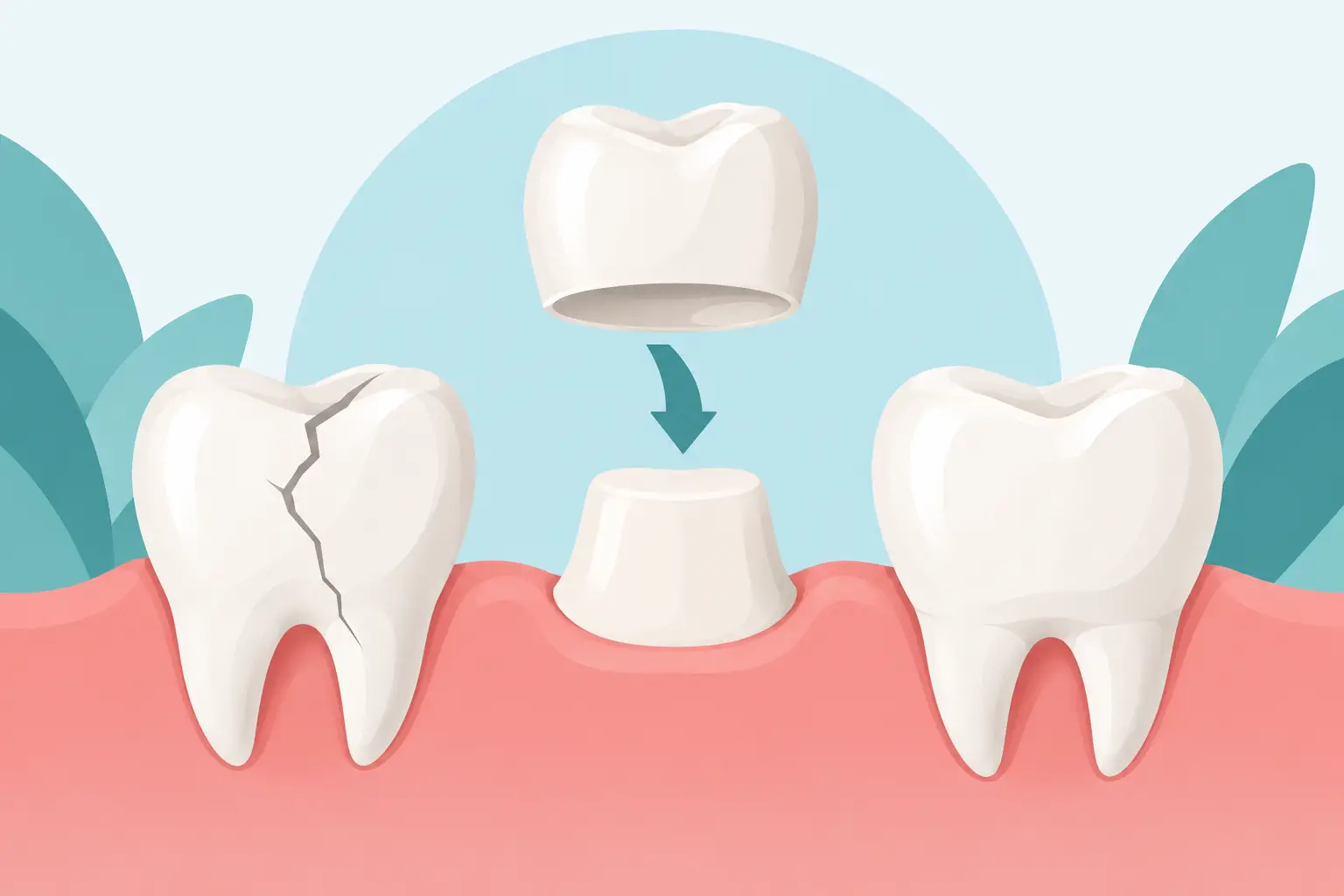
A crack in a tooth can be easy to ignore at first. Maybe it only hurts when you bite into something firm, or you feel a quick jolt when drinking coffee. But cracks do not heal the way a broken bone can. Without treatment, normal chewing pressure may allow the crack to spread. Dental crowns for cracked teeth are often recommended because they surround and support the remaining tooth structure before more serious damage occurs.
A crown is not the answer for every crack. The right treatment depends on where the crack starts, how far it extends, whether the nerve is affected, and how much healthy tooth remains. A careful exam gives you a clear answer and helps protect your natural tooth whenever possible.
Why a Cracked Tooth Needs Prompt Attention
Teeth are strong, but they are not indestructible. Years of chewing, large older fillings, grinding or clenching, trauma, and biting hard foods can all contribute to a crack. Sometimes there is a clear cause, such as biting an olive pit or getting hit in the mouth. Other times, the tooth gradually weakens until symptoms finally appear.
A cracked tooth may cause sharp pain when biting down or when releasing your bite. It can also become sensitive to cold, heat, or sweets. Some patients notice intermittent discomfort that seems difficult to pinpoint. Because the crack can open slightly under pressure, pain may come and go rather than feel constant.
Waiting can turn a repairable problem into a more complicated one. If bacteria enter through a deep crack and reach the pulp inside the tooth, a root canal may be needed before the tooth can be restored. If the crack extends below the gumline or divides the tooth, saving it may no longer be possible. Calling your dentist when symptoms begin gives you the best chance of avoiding those outcomes.
How Dental Crowns for Cracked Teeth Work
A dental crown is a custom-made cover placed over a prepared tooth. It restores the tooth’s shape and chewing surface while holding the remaining structure together. Think of it as a protective shell designed to absorb everyday biting forces more evenly.
For a cracked back tooth, a filling alone may not provide enough protection. Fillings replace missing material, but they do not wrap around the tooth’s outer walls. A crown does. By covering the tooth above the gumline, it can reduce the chance that chewing force will push an existing crack farther through the tooth.
Crowns are commonly made from strong, natural-looking materials such as ceramic or porcelain fused to other durable materials. The best choice depends on the tooth’s location, your bite, appearance goals, and the amount of force placed on that area. Front teeth and molars do not always need the same type of crown.
What the Appointment Process Usually Looks Like
Your dentist first examines the tooth, reviews your symptoms, and takes X-rays when appropriate. X-rays do not always show a crack directly, but they help identify related concerns such as decay, infection, or changes around the root. The dentist may also use bite tests, magnification, or other clinical findings to locate the source of pain.
If a crown is the right option, the tooth is shaped to make room for the restoration. An impression or digital scan is used to create a crown that fits your bite and matches nearby teeth. A temporary crown may protect the tooth while the permanent crown is being made. At the final visit, the dentist checks the fit, bite, and appearance before securing it in place.
If the crack has reached the tooth’s nerve, root canal treatment may come first. This removes infected or inflamed tissue inside the tooth, after which the crown protects the treated tooth from fracture. While that sounds like an extra step, saving a natural tooth is often the most practical long-term outcome.
When a Crown May Not Be the Best Treatment
Not every line or chip requires a crown. Small surface cracks in enamel, often called craze lines, may not need treatment at all if they are not causing pain or weakening the tooth. A minor chip may be repaired with bonding. A tooth with a very small crack and enough healthy structure may sometimes be treated with a conservative filling or onlay.
The more difficult situation is a crack that runs deep into the root or splits the tooth into separate sections. A crown cannot fuse a separated tooth back together. Depending on the location and severity of the fracture, extraction and replacement with a bridge, partial denture, or dental implant may be discussed.
This is why an honest diagnosis matters. The goal is not simply to place a crown. It is to recommend the treatment that gives the tooth the best realistic chance of lasting comfortably.
Signs You Should Call the Dentist Soon
A cracked tooth does not always create an obvious emergency, but certain symptoms should not wait. Contact a dentist promptly if you have pain when chewing, a lingering response to hot or cold, swelling near the tooth, a visible crack, or a broken piece of tooth.
Seek urgent care if facial swelling, fever, trouble swallowing, or difficulty breathing develops. These symptoms can indicate an infection that needs immediate attention. Even without swelling, severe tooth pain deserves a same-day call. Fast evaluation may prevent a small fracture from becoming a larger one.
Until you are seen, avoid chewing on the affected side. Choose softer foods, keep the area clean, and do not try to glue a broken tooth piece back in place. Over-the-counter pain medicine may help when taken as directed, but it does not treat the cause of the pain.
Getting the Most From a New Crown
Once a crown is placed, care is straightforward but important. Brush twice daily with fluoride toothpaste and clean between your teeth every day. The edge where the crown meets the tooth is still vulnerable to plaque buildup and decay, so regular cleanings remain essential.
Avoid using teeth to open packages, chew ice, or bite hard nonfood objects. If you clench or grind at night, a custom night guard may help protect both your crown and your natural teeth. Let your dentist know if your bite feels uneven after placement or if you develop new sensitivity. Small adjustments are usually simple when addressed early.
Crowns can last many years, but no restoration lasts forever. Their lifespan depends on oral hygiene, bite forces, diet, the condition of the supporting tooth, and regular dental care. Routine exams allow your dentist to monitor the crown and the tooth underneath before a small issue becomes a major repair.
Cost, Insurance, and Planning Your Care
The cost of a crown varies based on the tooth, the material selected, and whether additional care such as a root canal is needed. Dental insurance may cover part of treatment when a crown is medically necessary, though plans have different deductibles, waiting periods, annual limits, and coverage percentages.
Before treatment begins, ask for a clear estimate and a review of your benefits. A good dental office should explain the recommended care, discuss alternatives when they are appropriate, and help you understand the practical next steps. At Quincy High Care Dentistry, patients can expect straightforward guidance focused on saving healthy tooth structure and making care manageable.
If a tooth hurts when you bite, feels suddenly sensitive, or has a visible crack, do not wait for it to become unbearable. An exam now can clarify whether a simple repair, a crown, or another treatment will give you the best path back to comfortable chewing.